




Is Cleopatra’s enduring legacy rooted in her legendary allure or her formidable intellect? This compelling portrait reveals a ruler whose true power lay in her sharp mind, diplomatic finesse, and strategic mastery—far beyond Hollywood’s romanticized image. Born into a turbulent dynasty, Cleopatra mastered languages, cultivated cultural diplomacy, and forged vital alliances with Rome’s greatest leaders, all while preserving Egypt’s independence. Her leadership was grounded in intelligence, adaptability, and a deep commitment to scholarship, exemplified by her patronage of Alexandria’s famed library. Her story challenges us to see leadership as a blend of wisdom, cultural understanding, and resilience, qualities that remain highly relevant today. Could her greatest strength be her capacity to think critically and navigate complex political landscapes with finesse? Cleopatra’s legacy invites us to value knowledge and strategic insight as the true foundations of lasting influence—reminding us that, sometimes, the most profound power resides within the mind.
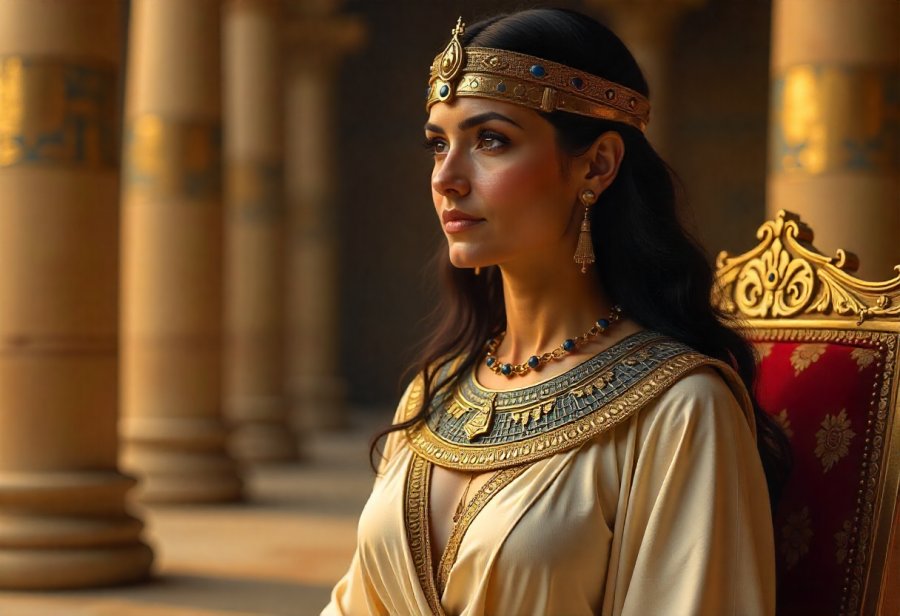
Unveiling Cleopatra VII: Beyond Beauty to Strategic Genius
Cleopatra VII is often remembered through stories of beauty and romance, but her true legacy lies in her sharp mind and political skill. She was a ruler who understood the power of intelligence and diplomacy, qualities that allowed her to navigate one of the most turbulent periods in ancient history. Cleopatra’s leadership was rooted in her ability to think strategically, build alliances, and make decisions that protected her kingdom’s independence. Her reputation as a scholar-queen reflects her deep commitment to learning, language, and culture—traits that made her far more than a seductive figure.
Rather than relying solely on her allure, Cleopatra demonstrated a keen understanding of governance and international relations. She mastered the art of negotiation, often using her linguistic skills to communicate directly with foreign leaders. Her capacity for cultural diplomacy helped forge alliances that were crucial for Egypt’s survival amid external threats. Her political acumen was evident in her ability to balance internal stability with external diplomacy, all while maintaining her authority in a male-dominated world.
Her reign coincided with a decline of the Ptolemaic dynasty and the rising influence of Rome. She inherited a fragile throne, surrounded by family disputes and internal rivalries, but her intelligence and strategic thinking allowed her to hold onto power against overwhelming odds. Cleopatra recognized that her strength lay not just in her royal status but in her ability to think critically and adapt to her shifting circumstances. She combined traditional Egyptian authority with Greek political practices, creating a leadership style that prioritized long-term stability and resilience.
Beyond her political tact, Cleopatra was a committed scholar and cultural patron. She was fluent in Egyptian, Greek, and Latin, which gave her a diplomatic edge and the ability to communicate with diverse audiences. Her mastery of languages and her support for Alexandria’s scholarly community helped her foster trust and influence across different cultures. These skills weren’t just personal achievements—they were strategic tools that helped her navigate complex alliances and rivalries with intelligence and finesse.
Contrary to the popular image of Cleopatra as a seductress driven by beauty, her true power was rooted in her intellect. She understood that leadership depended on more than charm—it required a sharp mind, cultural awareness, and strategic negotiation. Her ability to think ahead, adapt to changing circumstances, and build diplomatic ties with figures like Julius Caesar and Mark Antony showcased her as a ruler who valued wisdom over superficial allure. Her story reminds us that true influence often resides in the mind, not just in appearance.
Cleopatra’s legacy is a testament to the enduring power of intelligence and resilience. Her leadership, marked by strategic thinking and cultural diplomacy, offers lessons still relevant today. She was a ruler who knew that long-term stability depended on understanding people, fostering knowledge, and adapting to the world’s shifting tides. Her life continues to inspire those who believe that strength lies in the mind—and that true leadership is built on wisdom, adaptability, and the capacity to navigate complex political landscapes.
Foundations of Power: Cleopatra’s Lineage and Political Battlegrounds
Cleopatra VII was born around 69 BCE into the Ptolemaic dynasty, a Greek family that inherited Egypt following the breakup of Alexander the Great’s empire. Her lineage was marked by internal power struggles, with her father, Ptolemy XII, also known as Auletes, ruling amidst constant rivalries and external threats. Growing up amidst political chaos, Cleopatra’s path to the throne was anything but straightforward. Her early years were shaped by intrigue and rivalry, preparing her for the sharp political instincts she would later demonstrate.
Her ascent to power involved strategic maneuvering. Initially, she co-ruled with her younger brother Ptolemy XIII—a common practice among the Ptolemies designed to keep the throne within the family. But internal disputes quickly erupted, forcing Cleopatra to fight to secure her position. Her intelligence and diplomatic skills proved crucial as she consolidated her authority during this turbulent period. By her early twenties, she had established herself as Egypt’s sole ruler, already showing signs of the strategic mind that would define her reign.
Egypt at this time was a crossroads of culture and commerce, with Alexandria as its vibrant capital. The city was a hub of learning, trade, and political activity, strategically positioned on the Mediterranean. Cleopatra understood the importance of Alexandria’s resources—its scholars, wealth, and strategic location—and used them to strengthen her grip on power. She cultivated relationships with Greek city-states and neighboring regions, recognizing that her survival depended on shrewd diplomacy and alliances rather than solely military might.
The political landscape was fraught with external pressures, especially from Rome’s expanding influence. Cleopatra inherited a fragile throne, surrounded by internal rivalries and external threats. She skillfully blended Egyptian authority with Hellenistic political practices, creating a leadership style that emphasized adaptability and resilience. Her mastery of languages—Egyptian, Greek, and Latin—allowed her to communicate directly with diverse leaders, giving her a diplomatic edge that few could match.
Her ability to navigate complex alliances was rooted in cultural awareness and strategic thinking. She used her linguistic skills and knowledge of customs to foster trust and mutual respect, forging alliances with Julius Caesar and Mark Antony. These relationships were not driven by vanity but by a clear understanding of their importance for Egypt’s independence. Cleopatra’s leadership reflected a deep understanding that power came from intellect, diplomacy, and cultural finesse, rather than brute force or superficial charm.
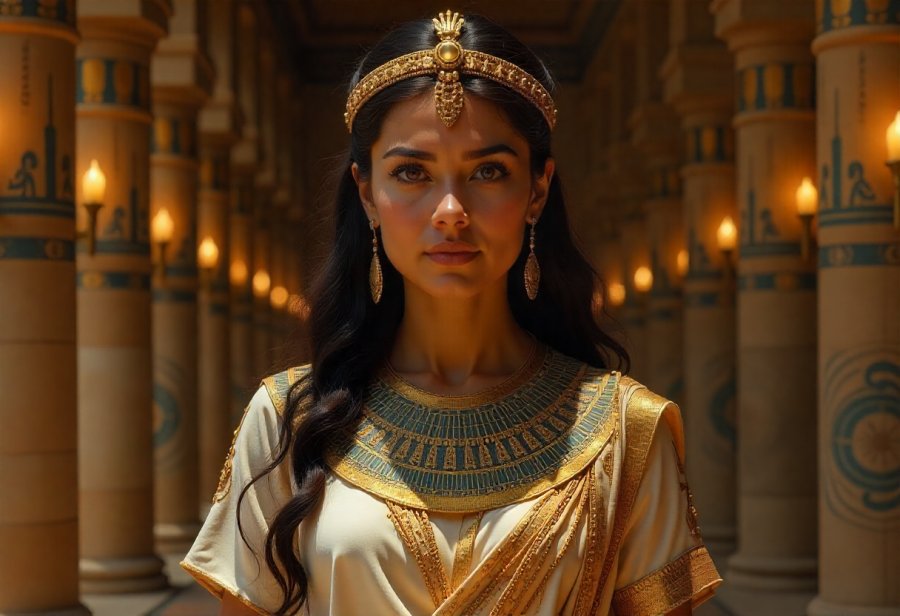
The Scholar-Queen: Cleopatra’s Intellectual and Diplomatic Mastery
Cleopatra’s brilliance extended well beyond her role as a monarch; she was a highly educated woman with a genuine passion for knowledge and a talent for languages. Fluent in Egyptian, Greek, and Latin, she could communicate directly with a wide range of foreign leaders and scholars, giving her a distinct diplomatic edge. Her mastery of language wasn’t just practical—it symbolized her deep commitment to understanding different cultures and building trust across borders. This linguistic skill allowed her to negotiate on equal footing, ensuring her messages carried nuance and authority without relying solely on interpreters.
Her approach to diplomacy was rooted in a nuanced understanding of politics and cultural differences. Cleopatra knew that forging alliances depended on shared language, customs, and mutual respect. She carefully employed her knowledge of Egyptian traditions, Greek customs, and Roman politics to craft relationships that served Egypt’s long-term interests. Her alliances with Julius Caesar and Mark Antony weren’t driven by personal vanity—they were strategic moves designed to safeguard Egypt’s independence amid shifting regional powers. Her ability to read people and adapt her tactics made her a resilient and effective leader.
To Cleopatra, leadership meant mastering the art of realpolitik—balancing internal stability with external diplomacy. She was adept at assessing situations and adjusting her approach accordingly. Whether negotiating treaties, managing internal rivalries, or navigating external threats, she combined her intelligence with impeccable timing. Her cultural diplomacy—using shared traditions, language, and customs—fostered trust and rapport with her counterparts. This strategic flexibility allowed her to manipulate complex political landscapes, maintaining her authority despite overwhelming odds.
What truly set Cleopatra apart was her support for scholarship and learning. She patronized the Library of Alexandria and surrounded herself with scholars, scientists, and philosophers. Her education spanned astronomy, mathematics, philosophy, and politics, making her one of the most well-educated rulers of her time. This scholarly engagement wasn’t just a personal passion; it was a strategic asset. By promoting knowledge and intellectual exchange, she strengthened her governance and diplomatic influence, demonstrating that leadership rooted in wisdom can be a powerful tool.
Her leadership was a seamless blend of intelligence, cultural awareness, and political acumen. She understood that genuine power stemmed from critical thinking, effective communication, and the ability to build alliances based on mutual respect. Her mastery of complex social, political, and cultural dynamics allowed her to preserve Egypt’s independence amid external pressures. Cleopatra’s legacy as a scholar-queen highlights the importance of valuing knowledge and strategic insight—traits that continue to influence effective leadership today.
Leadership Lessons from Cleopatra: Resilience, Wisdom, and Cultural Diplomacy
Cleopatra’s leadership offers lessons that remain relevant today, especially her ability to navigate complex political landscapes with intelligence and strategic insight. Her talent for forging alliances and managing internal stability shows that effective leadership isn’t just about power—it’s about understanding people, cultures, and long-term goals. Her diplomatic skills, combined with her scholarly pursuits, created a leadership style rooted in wisdom and adaptability, demonstrating that true influence often comes from knowledge and emotional intelligence rather than brute force.
Her story encourages modern leaders to value cultural diplomacy and communication as essential tools. Cleopatra’s mastery of multiple languages and her support for Alexandria’s scholarly community weren’t just personal achievements—they were strategic moves that strengthened her influence. By fostering an environment of learning and understanding, she built trust across different cultures and political factions. This approach reminds us that investing in education, language skills, and cultural awareness can significantly boost leadership effectiveness.
Looking at her legacy, Cleopatra exemplifies how resilience and intellectual agility can overcome even the most daunting challenges. Her ability to adapt her strategies depending on circumstances—whether dealing with internal rivalries or external threats—showed a flexible mindset that prioritized the kingdom’s future. Her leadership was not static; it was a continuous process of learning, negotiation, and strategic thinking. That mindset is just as vital today, whether in international diplomacy or organizational management, where circumstances shift rapidly and adaptability is key.
Furthermore, Cleopatra’s example highlights that profound influence isn’t measured solely by fame or superficial allure. Her legacy is rooted in her mind—her capacity to think critically, negotiate effectively, and foster cultural ties. Recognizing her as a scholar-queen, rather than just a mythic figure of beauty, shifts our appreciation toward her true strengths. It underscores that intellectual resilience and strategic insight can leave a lasting mark far beyond fleeting appearances or sensational stories.
Her life story challenges us to see leadership as a blend of wisdom, cultural understanding, and strategic foresight. Cleopatra’s ability to adapt, learn, and lead through knowledge sets a powerful example. Her legacy reminds us that investing in our own skills—whether through language, education, or cultural awareness—can forge lasting relationships and resilience in uncertain times. These qualities are just as essential in today’s fast-changing world as they were in her time.
In the end, Cleopatra’s true strength was always in her mind. Her story encourages us to value the power of learning, strategic thinking, and cultural empathy as the foundation of genuine influence. Her leadership demonstrates that lasting impact comes from resilience, knowledge, and the capacity to inspire through wisdom. By embracing these qualities, modern leaders can carve their own enduring influence—just as Cleopatra did—showing that the most profound power resides within the mind.
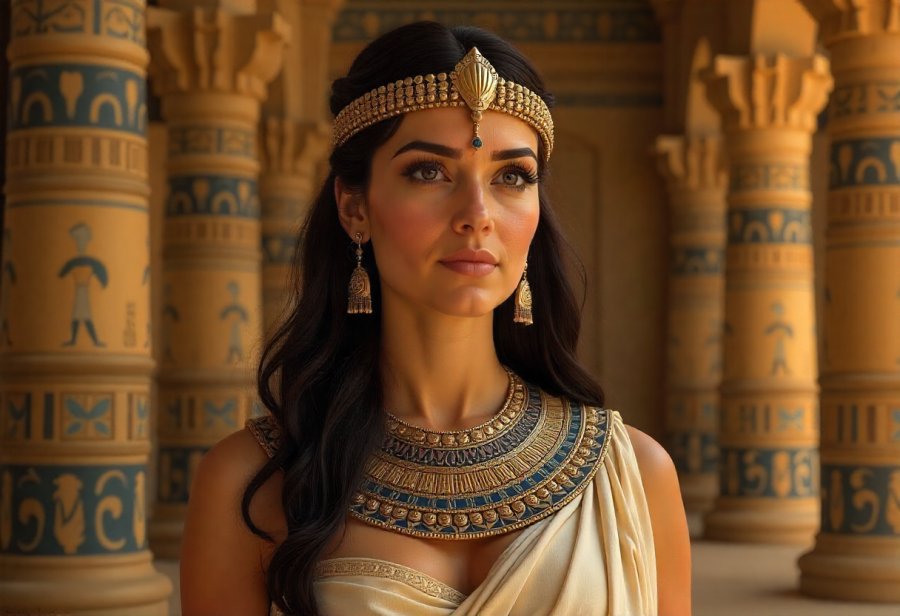
Enduring Influence: Cleopatra’s Legacy of Intelligence and Strategic Innovation
Cleopatra’s legacy as a ruler rooted in her intellect continues to resonate today, offering timeless lessons for leadership and diplomacy. Her ability to adapt to shifting political landscapes, forge strategic alliances, and prioritize knowledge over superficial charms underscores principles that remain relevant. Modern scholars increasingly recognize her mastery of languages, cultural diplomacy, and political acumen, transforming her image from myth to a model of strategic leadership—proof that true influence stems from a well-trained mind.
Her story highlights resilience and flexibility as essential qualities for effective leadership. Cleopatra’s talent for navigating complex international conflicts and internal rivalries through careful negotiation and cultural understanding emphasizes emotional intelligence and strategic foresight. She showed that influence isn’t solely built on force but on the capacity to listen, communicate, and adapt—traits vital in today’s interconnected world where circumstances change rapidly.
Looking beyond her era, Cleopatra’s scholarly pursuits and support for Alexandria’s intellectual community reveal how investing in knowledge and culture can bolster a ruler’s authority. Her mastery of multiple languages and her patronage of the Library of Alexandria created a network of trust and influence that extended far beyond Egypt’s borders. Her leadership demonstrates that fostering learning and understanding isn’t just personal enrichment; it’s a strategic move that ensures enduring strength and relevance.
Her example continues to inspire leaders across sectors—from politics to business—who understand that superficial appearances are fleeting, but wisdom and strategic insight leave a lasting impact. Developing skills such as language fluency, cultural awareness, and critical thinking can forge stronger relationships and resilience in uncertain times. Cleopatra’s life shows that investing in these qualities builds a foundation for sustainable influence—something that’s as vital today as it was in her time.
Her ability to think critically and act wisely under pressure underscores that influence is rooted in understanding motives and shared values. Cleopatra’s mastery of cultural diplomacy and her strategic use of alliances demonstrate that effective leadership is about more than power; it’s about fostering trust and mutual respect. These lessons are especially relevant now, as global challenges demand leaders who can navigate complexity with intelligence and empathy.
Her story reminds us that lasting impact comes from resilience, knowledge, and strategic vision—timeless qualities that transcend centuries. Cleopatra’s ability to learn, adapt, and lead through insight highlights that influence isn’t just about authority but about inspiring confidence and trust. Embracing these traits can help modern leaders carve their own enduring legacy, inspired by a ruler who understood that the greatest power resides within the mind.
By looking at Cleopatra through the lens of her intellect and strategic mastery, we see a model of leadership that values wisdom over superficial glamour. Her life encourages us to prioritize continuous learning, cultural empathy, and critical thinking—traits that lay the groundwork for influence that endures beyond fleeting fame. Her story remains a powerful reminder that true leadership begins in the mind and that the most profound impact comes from a commitment to knowledge, resilience, and strategic insight.