




Mastering calm dog walking transcends simple obedience—it’s about fostering a trusting, communicative bond that turns walks into shared moments of achievement. Imagine your dog walking beside you with focus and relaxation, even amid distractions—sounds like a tall order, but with patience, positive reinforcement, and consistent cues, it’s entirely achievable. This approach not only makes outings safer and more enjoyable but also builds emotional stability and mutual respect. Are you ready to transform routine walks into peaceful, bonding experiences that deepen your connection? Through gradual training in familiar environments and strategic exposure to distractions, you can turn even challenging settings into opportunities for growth. Cost-effective tools, homemade treats, and dedication are your allies in this journey. As your dog’s confidence grows, so does your partnership—making everyday walks not just a task, but a joyful ritual of trust and teamwork.
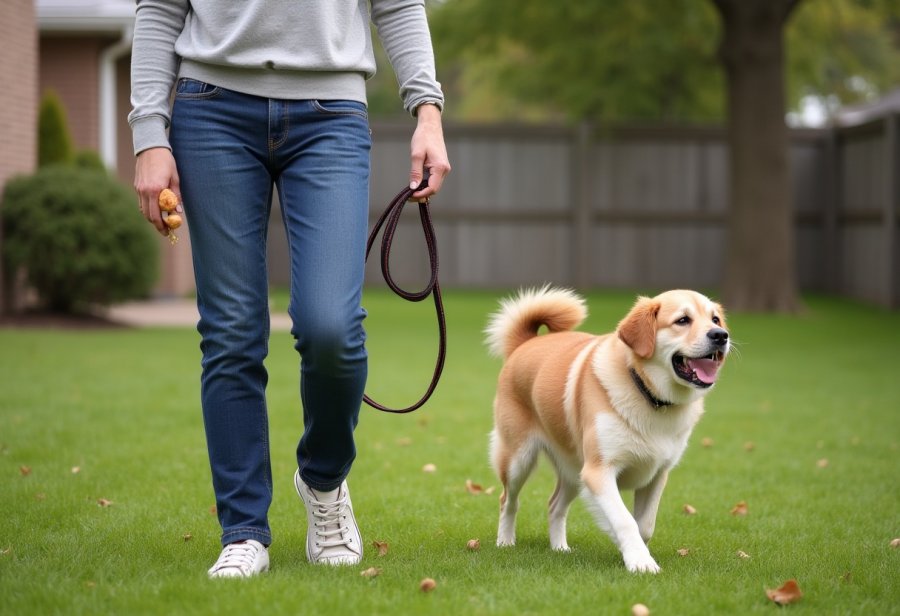
Transform Your Bond Through Calm Dog Walking
Mastering calm dog walking is more than just teaching your pet to stay by your side; it’s about creating a deeper connection built on trust and communication. When your dog walks relaxed and focused, the activity transforms from a routine chore into a shared moment of understanding. This calm approach not only makes outings more enjoyable but also lays the foundation for better behavior and stronger bonds.
A peaceful walk helps your dog feel safe and secure. When they learn to stay calm and attentive, stress levels decrease, leading to a more positive experience for both of you. Over time, this sense of calm can influence other areas of their life, encouraging emotional stability and impulse control. The result is a confident dog eager to explore, yet attentive to your guidance.
Beyond obedience, calm leash walking nurtures mutual respect. When your dog learns that staying focused and relaxed results in praise or treats, they develop a sense of trust in your leadership. These moments of shared effort build a bond rooted in cooperation, making future training easier and more effective. Consistent calmness during walks becomes a routine that benefits your entire relationship.
Practicing calm walks also helps prevent common behavioral issues before they start. Regular, peaceful outings teach your dog to handle distractions gently and patiently. This proactive approach makes daily walks more predictable and less stressful, turning them into opportunities for growth and connection rather than sources of frustration.
Ultimately, mastering calm dog walking isn’t just about good manners—it’s about creating harmony. It turns a simple activity into a bonding ritual, where both you and your dog enjoy the journey. With patience, consistency, and a focus on positive reinforcement, you can transform walks into peaceful, joyful experiences that strengthen your lifelong partnership.
The Principles Behind Calm Leash Training
Training a dog to walk calmly on a leash is rooted in simple yet effective principles that prioritize positive reinforcement, consistency, and clear communication. Instead of relying on punishment or dominance, modern methods focus on rewarding good behavior, which builds trust and understanding between owner and pet. When a dog learns that polite walking leads to praise or treats, they are more likely to repeat those behaviors, making outings smoother and more enjoyable.
Calm walking isn’t just about obedience; it helps create a safe, relaxed environment for both of you. When your dog stays focused and relaxed, stress levels decrease, which reduces common issues like pulling or lunging. Over time, your dog begins to associate calmness with positive outcomes, encouraging them to stay attentive and composed even amidst distractions. This approach turns walks into predictable, positive routines that strengthen your bond.
The shift toward positive reinforcement reflects a broader understanding of canine behavior. Historically, training relied heavily on dominance and punishment, which could foster fear and mistrust. Today’s trainers recognize that gentle guidance and rewards produce better long-term results and deeper trust. This humane approach makes leash training not just effective but also a shared journey of learning and connection.
Building trust is at the core of calm leash training. When your dog feels safe and understands your signals, they are more likely to remain calm and focused. Consistent cues, gentle corrections, and plenty of praise reinforce this trust, transforming walks into opportunities for mutual respect. The more your dog trusts you, the easier it becomes to maintain calmness, even in challenging environments.
Understanding key terms like “heel,” “focus,” and “relax” helps clarify the training process. Teaching your dog to walk beside you without pulling involves clear cues and positive rewards. Recognizing signs of stress or distraction allows you to adapt your approach, making training more effective. This foundation of clear communication supports routines that deepen your connection and foster calm, confident walks.
Core Elements for Effective Calm Walking
Effective calm dog walking relies on a few core elements that work in harmony to create successful routines. Clear communication is the foundation; consistent cues like “heel” or “easy” help your dog understand what’s expected. When these signals become familiar and reliable, your dog starts to associate them with calm, focused walking, reducing confusion and frustration. This consistency makes training smoother and encourages good habits to stick.
Positive reinforcement remains the key driver. Reward-based methods—treats, praise, or gentle petting—motivate your dog to repeat calm behaviors. When your dog walks beside you and remains relaxed, they quickly learn that staying attentive results in pleasant rewards. This mutual trust deepens with every successful walk, making calm leash manners a shared achievement.
The right equipment also makes a difference. A well-fitted harness or sturdy leash provides gentle control, preventing discomfort and making guiding your dog easier. Many dogs benefit from a front-clip harness, which discourages pulling and promotes proper posture. Combining this gear with steady cues and a calm demeanor creates a secure environment where your dog can relax, even when distractions arise.
Your own attitude influences your dog more than you might realize. Staying calm, confident, and steady signals safety and control. Dogs often mirror their owner’s energy, so your composed presence encourages your dog to stay focused and relaxed. Consistent reactions and clear signals reinforce your role as a trustworthy leader, making it easier for your dog to follow your guidance.
Addressing common issues early prevents setbacks. Starting in quiet, familiar settings helps your dog learn basic cues without overwhelming stimuli. As they improve, gradually introduce distractions, rewarding calmness along the way. This step-by-step approach builds resilience and confidence, turning calm leash walking into an ingrained habit.
Finally, patience and persistence are essential. Every dog learns at their own pace, and setbacks are normal. By maintaining a steady routine, reinforcing good behavior, and staying positive, you foster a calm, confident dog. Over time, these practices create peaceful walks that strengthen your bond and enhance your shared joy.
Applying Calm Walking Techniques in Any Setting
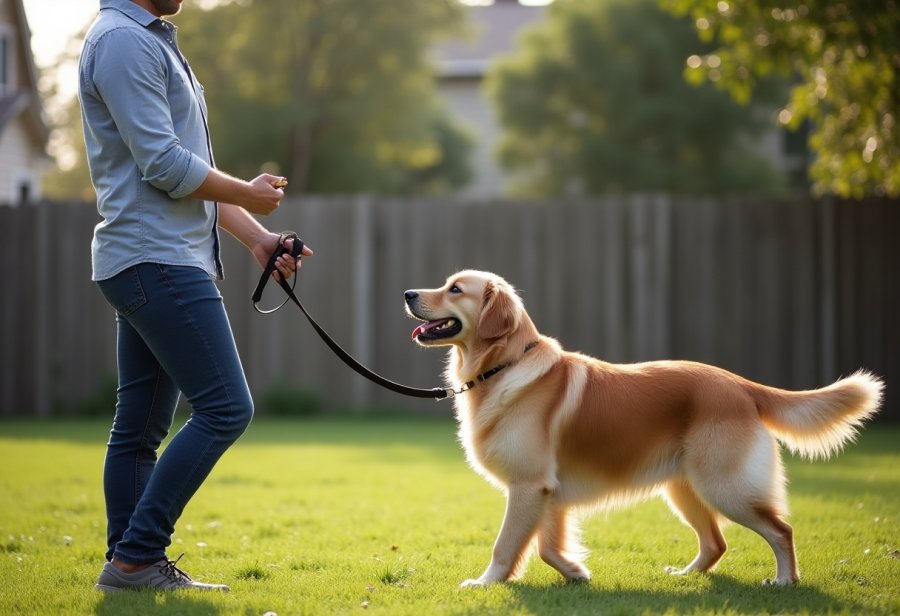
To effectively put your calm dog walking techniques into practice across different environments, start in familiar, low-stimulation settings like your backyard or a quiet park. These spaces help your dog focus on basic cues such as “heel” or “walk,” allowing you to reward calm behavior and build a solid foundation. As your dog gains confidence, gradually introduce mild distractions—like passing people or distant sounds—to teach them to remain focused and relaxed even amid new stimuli.
In busier areas such as city streets or crowded parks, keep training sessions short and controlled. Begin with brief walks, rewarding your dog for staying calm and attentive, and slowly extend the duration as they respond well. Use high-value treats and a steady, reassuring tone to redirect their attention when distractions threaten to pull them off course. Consistency in cues and positive reinforcement turn these outings into opportunities for growth and trust.
If your dog tends to get overwhelmed or overly excited, choose less busy times, like early mornings or late evenings. Managing the environment reduces stress, making training more effective and enjoyable. With regular practice, your dog will learn to ignore most distractions, transforming challenging outings into bonding moments. Watching your dog adapt gradually demonstrates how patience and persistence can turn even difficult environments into peaceful, shared experiences.
For dogs with anxiety or sensitivity, breaking walks into smaller segments helps build trust over time. Start with short, familiar routes, rewarding calmness with praise and treats at every step. As confidence grows, gradually introduce more distractions, always ensuring your dog remains comfortable. Using the right gear, like a well-fitting harness, supports their comfort and control, making it easier to maintain calmness regardless of surroundings.
Remember, the key to success is consistency. Practice regularly, stick to your routines, and reinforce good behavior consistently. As your dog’s skills improve, explore new environments with confidence, knowing they’re equipped to stay relaxed and focused. Each positive experience not only reinforces their training but also deepens your bond, turning everyday walks into peaceful, joyful adventures that strengthen your connection.
Affordable Tools and Resources for Success
Training your dog to walk calmly doesn’t have to be expensive. The essential tools—like a well-fitting harness and a sturdy leash—are available at various price points, so you can find options that fit your budget without sacrificing quality. You don’t need the most expensive gear; a reliable, comfortable harness and a durable leash are sufficient to start seeing progress. Looking for sales or reputable budget brands can help keep costs down while still providing effective equipment.
Treats are a key component of positive reinforcement, and you can save money by making homemade options from ingredients you already have at home. Small, healthy treats costing around $10 to $20 can last for weeks when used wisely. You don’t need to buy premium brands every time; simple treats like small pieces of chicken, cheese, or even kibble work well. This approach keeps your expenses manageable and allows you to reward your dog generously.
Professional training sessions can accelerate progress, but they’re not a necessity. Many owners successfully train their dogs using free online tutorials, books, and community resources. These options cost little more than your time and dedication, often providing all the guidance you need to reinforce calm walking routines. Consistency and patience are your most valuable investments—they often outweigh the need for expensive tools or classes.
If you decide to seek professional help, group classes or package deals tend to be more affordable options. Investing in a trainer’s guidance can speed up your progress, but it’s still possible to achieve great results on a budget with regular practice and the right resources. Remember, the most important factors are your commitment and consistency, not the price of your gear.
For those working within tight budgets, DIY solutions like homemade treats or repurposing household items can significantly cut costs. Many community groups and shelters offer low-cost or free training classes, making professional help accessible without a hefty price tag. Online communities and resources also provide ongoing support and tips for affordable training.
Overall, training for calm leash walking is very manageable financially. Prioritizing well-fitting gear, affordable treats, and your dedication creates a solid foundation for success. The key investment lies in your patience and consistency—these qualities turn simple routines into meaningful, rewarding bonding experiences that last a lifetime.
Implementing Your Calm Walking Routine Daily
To put your calm dog walking plan into practice, establish a consistent routine that begins in familiar, low-stimulation environments like your backyard or a quiet park. Focus on simple cues such as “heel” or “walk,” rewarding your dog immediately when they respond correctly. Repeating these cues helps reinforce good habits and builds a solid foundation for more challenging outings.
Gradually introduce mild distractions—like passing pedestrians or distant sounds—as your dog becomes more confident. Keep initial training sessions short and positive, ending each on a successful note to maintain enthusiasm. When your dog pulls or gets distracted, redirect their attention gently with your cues and reward focus. Consistency and patience are key to making these behaviors automatic.
As your dog progresses, slowly increase walk duration and complexity. In busier areas such as city streets or parks, start with brief outings, using high-value treats and a calm tone to help your dog stay focused. Over time, extend the length of walks as your dog remains relaxed, always rewarding calmness and attentiveness.
Incorporate variety by practicing in different settings. This exposes your dog to new sights and sounds, helping them learn to stay relaxed regardless of environment. Maintain your routines and reinforce good behavior with praise and treats; this consistency turns calm leash walking into a natural part of daily life.
Watch for your dog’s signals and adjust your approach accordingly. Some days will be easier, others more challenging, but setbacks are normal. If your dog shows signs of overwhelm, return to quieter, familiar areas and revisit basic cues. This gradual process builds trust and confidence, transforming walks into peaceful, bonding experiences that strengthen your relationship.
Overcoming Challenges on the Path to Calmness
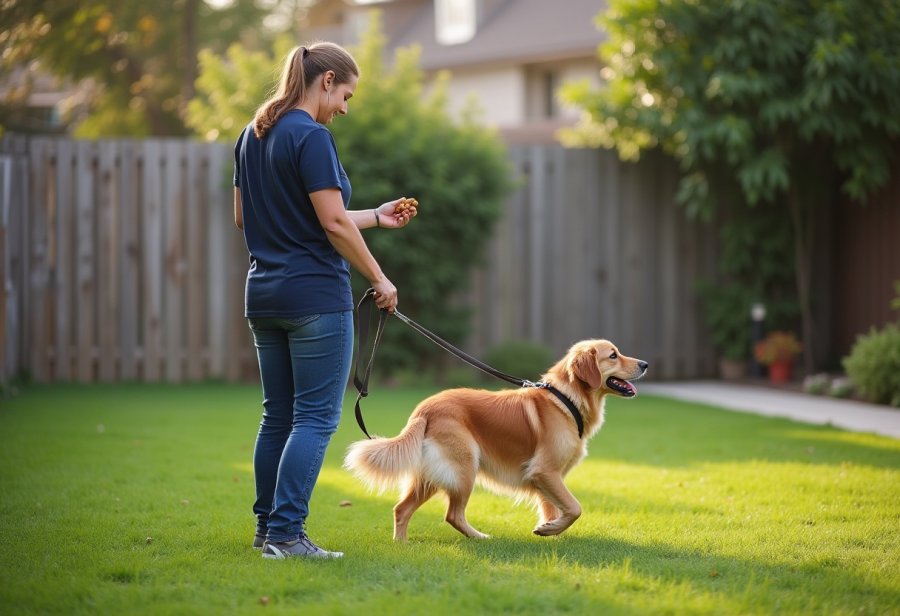
Training a dog to walk calmly can present its fair share of challenges, but most issues are manageable with patience and the right approach. One common problem is leash pulling, which often happens when a dog gets excited or distracted. This not only makes walks less enjoyable but can also be stressful. The key is to reinforce good leash manners consistently, using gentle corrections and rewarding moments when your dog walks nicely at your side.
Distractions like other dogs, loud noises, or interesting scents can quickly derail progress. When your dog becomes overwhelmed or overly excited, they might lunge, freeze, or pull harder. Recognizing these triggers early helps you adjust your training plan or environment, preventing setbacks. Gradually introducing distractions and rewarding calm responses build confidence and resilience over time.
For dogs prone to anxiety or nervousness, pushing too hard too fast can worsen their stress. Instead, break walks into small, manageable segments, starting in quiet areas and slowly increasing complexity. Use high-value treats and a calm, reassuring tone to help your dog associate new environments with positive experiences. Patience and consistency are vital, as pushing beyond their comfort zone too soon can set progress back.
If persistent issues arise despite your best efforts, seeking help from a professional trainer or behaviorist can be a game-changer. They can identify underlying causes and tailor strategies to your dog’s specific needs, turning frustrations into manageable steps forward. Remember, setbacks are part of the learning process, not failures.
By staying patient, maintaining a steady routine, and celebrating small victories, you’ll help your dog develop the calm, confident behavior needed for peaceful walks. Each obstacle overcome deepens your bond and makes the journey more rewarding, transforming everyday outings into moments of trust and shared success.