




What if the greatest obstacle to learning to swim isn’t the water itself, but the courage to take that first step? This inspiring journey reveals how water, with all its unpredictability and allure, can transform fear into freedom at any age. Whether you’re an adult confronting lifelong anxieties or a parent introducing a child to the pool, the process hinges on small, manageable steps—breathing, floating, gradually exploring deeper waters. Advances in technology and inclusive programs are making water confidence more accessible than ever, breaking down barriers and fostering a sense of safety. The path to mastery isn’t about perfection but persistence, patience, and support. As fears diminish through gentle exposure and encouragement, water becomes a space of growth, resilience, and joy. Are you ready to challenge your fears and discover the empowering freedom that swimming offers? Because everyone deserves to feel confident and safe in the water.
Transform Your Life: Discover the Joy and Confidence in Learning to Swim
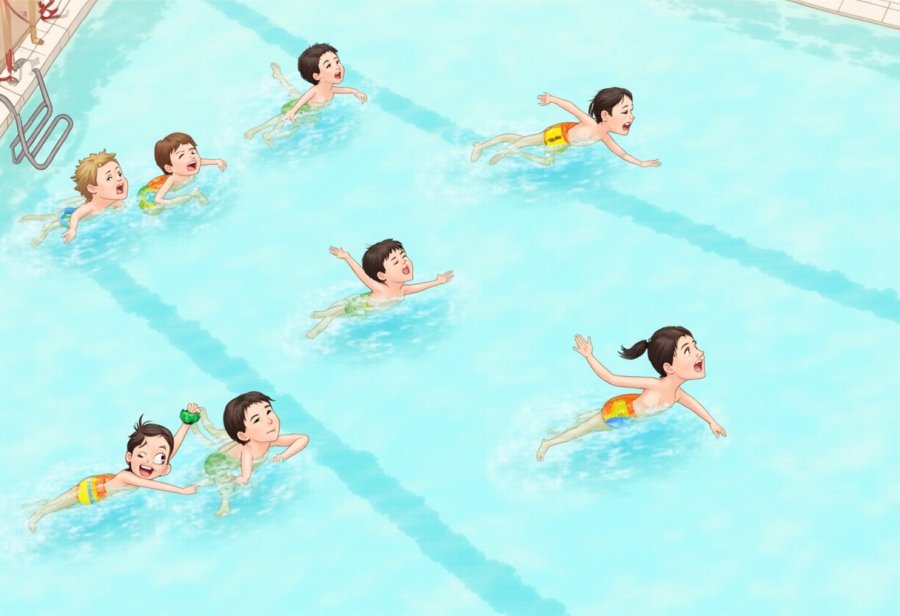
Learning to swim isn’t just about picking up a new skill; it’s a transformative experience that can reshape how you see yourself and your relationship with water. For many, the idea of stepping into a pool triggers nerves or hesitation, especially if water fears have been part of their lives for a while. Yet, taking that first step—whether it’s dipping a toe in or inhaling deeply at the pool’s edge—can open the door to a sense of freedom and confidence that lasts well beyond the water. No matter your age or experience level, starting to learn how to swim offers a chance to challenge personal boundaries and discover a new source of joy in movement.
Water has a way of stirring mixed feelings—fascination and fear often go hand in hand. Its fluid, unpredictable nature can seem intimidating, especially for those who aren’t comfortable around it. The instinct to avoid water when feeling unsure is natural; water’s power can seem dangerous if approached without care. But it’s also calming—its ripples and cool touch invite curiosity and trust. When we learn to see water as a space for growth rather than a threat, we unlock a new sense of strength and independence, turning apprehension into empowerment.
Learning to swim isn’t just a childhood milestone. For adults and seniors, it’s a vital skill that enhances safety and opens the door to water activities with confidence. Knowing how to swim can prevent accidents and provide peace of mind in pools, lakes, or oceans. Beyond safety, swimming boosts self-assurance—helping individuals feel more at ease in new or unfamiliar water environments. It’s also an effective way to stay active, offering low-impact cardio, muscle strengthening, and improved flexibility. Whether you’re after a new hobby or simply want to feel more secure around water, the journey to learn is rewarding at any age.
Starting the process can feel intimidating, especially if fears are already present. The key is to begin small—perhaps by splashing water on your face, floating in shallow water, or just sitting at the pool’s edge. Each small step builds trust in your body’s ability to handle water, gradually transforming anxiety into confidence. Support from gentle instructors or encouraging friends makes a big difference, creating a safe space where risks feel manageable. Every little victory in the water chips away at fear and paves the way for a more enjoyable experience.
The journey of learning to swim is about more than physical skills; it’s a process of personal growth. With each small step, trust and competence develop, diminishing fears and replacing them with the pleasure of water and movement. Many find that once the initial hurdles are overcome, swimming becomes a source of relaxation, health, and fun. It opens doors to new adventures and experiences, enriching life beyond the pool. The essential message is that anyone, regardless of age or background, can embark on this journey and emerge with a sense of freedom and confidence in the water.
Laying the Groundwork: Building Water Confidence from the Basics
Building water confidence starts with understanding some basic principles that make the process feel more manageable. For beginners, becoming comfortable in the water involves getting used to its sensation on your skin, practicing calm, steady breathing, and gradually immersing yourself. These small steps help reduce anxiety and foster a sense of control, making the water less intimidating. Simple exercises like floating on your back or face, gentle kicking, and controlled breathing are effective ways to develop trust in your body’s ability to handle water. Building mastery over these fundamental skills creates a foundation of safety and confidence that encourages further progress.
The way swimming instruction has evolved reflects a deeper understanding of how people learn best. Historically, swimming was a practical skill reserved for specific groups, but today’s focus is on making lessons accessible and inclusive. Innovations such as shallow zones, pool ramps, and beginner-friendly equipment help demystify water and lower barriers for newcomers. These adjustments make it easier to start small, explore water at your own pace, and gradually build comfort. This approach emphasizes gentle exposure and patience, ensuring learners don’t feel overwhelmed as they begin their journey.
Feeling relaxed and at ease in the water hinges on mastering key ideas like body awareness, safety, and gradual exposure. Starting in shallow areas where standing is easy allows learners to practice breathing, floating, and gentle kicking without pressure. Safety always comes first—understanding your limits, using supportive gear when needed, and swimming under supervision are vital. These measures help foster a sense of security, which is essential for building confidence. As familiarity grows, learners become more comfortable tackling deeper water, turning initial hesitation into curiosity.
Cultural and social influences also shape how communities approach learning to swim. In some places, water activities are a natural part of childhood, while others may have social norms that discourage water exposure, especially for certain groups. Recognizing these differences is crucial for creating inclusive programs that reach everyone. Community efforts and targeted initiatives can help break down barriers, ensuring that water confidence is accessible to people of all backgrounds and ages. When supported by positive social environments, beginners are more likely to stay motivated and progress steadily.
The role of skilled instructors and a supportive atmosphere cannot be overstated. Experienced teachers know how to create a welcoming space where learners feel safe to explore and take small risks. Their reassurance helps develop proper techniques while addressing fears with kindness. Outside of lessons, encouragement from friends and family boosts motivation and reinforces progress. Celebrating small victories—like floating for a few seconds or dipping your face in water—builds trust and fosters a positive mindset. Together, good instruction and support turn initial hesitation into a confident, lifelong water connection.
Navigating the Modern Water Landscape: Trends, Access, and Attitudes Today
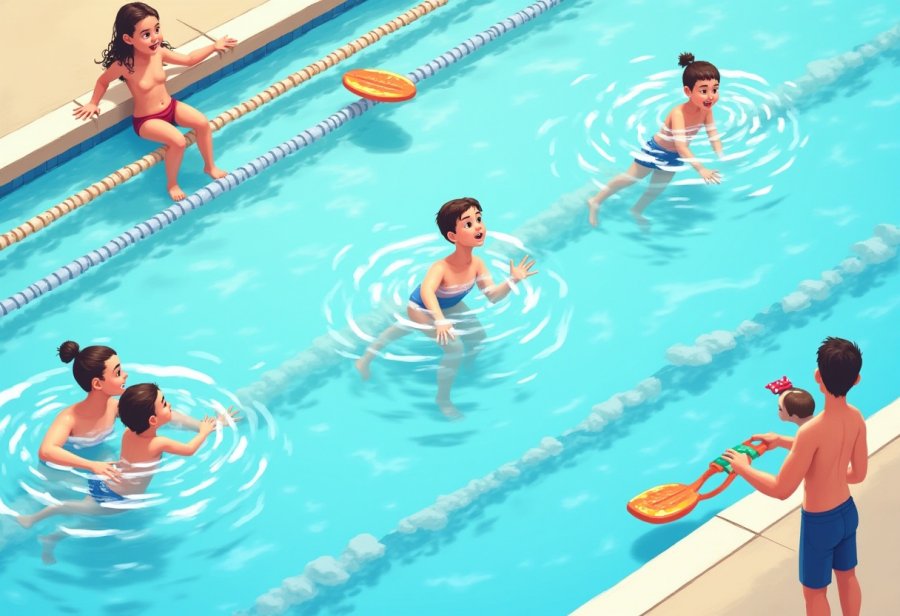
Today, learning to swim is more accessible and diverse than ever before. Advances in technology, such as virtual coaching apps and underwater cameras, have transformed instruction into a more engaging, personalized experience. These tools allow beginners to practice at their own pace, whether through online tutorials or in-person guidance, helping to demystify water and reduce anxiety. Community programs and public pools are expanding their reach, emphasizing inclusivity and safety to ensure that more people can develop water confidence. The focus is shifting from merely mastering strokes to fostering comfort and safety in water environments.
Attitudes around water safety have evolved significantly. Increasing awareness about the importance of lifelong water skills encourages people of all ages to seek lessons, whether to prevent accidents or simply enjoy water activities more confidently. Many organizations now prioritize water safety education, starting with children and extending into adult programs. This shift helps cultivate a culture where swimming is seen not just as a recreational activity but as an essential life skill, vital for personal safety and enjoyment at any age.
Despite these positive trends, barriers still exist. Economic challenges limit access to quality instruction, especially in underserved communities where facilities and qualified instructors are scarce. Some regions lack sufficient infrastructure, making it harder for residents to find opportunities for learning and practice. Cultural norms and social attitudes can also influence who feels comfortable entering the water, with certain groups facing discouragement based on gender, age, or background. Addressing these disparities requires ongoing community efforts, targeted outreach, and investments to make water confidence attainable for everyone.
Technological innovations continue to reshape the learning landscape. Wearable devices now provide real-time feedback on technique, boosting progress and confidence. Virtual reality environments simulate water settings, allowing beginners to practice fundamental skills safely outside the pool. These advancements make water safety and skill-building more interactive and less intimidating, encouraging more people to take the plunge. As these tools become more affordable and widespread, they are poised to become standard components of swimming education, broadening access to water confidence.
Group lessons remain popular for their social appeal and affordability, creating a supportive environment where beginners can experiment and learn from peers. Meanwhile, private coaching offers tailored guidance, often resulting in faster skill development. Both approaches serve different needs but share a common goal: fostering positive, confidence-building experiences. The emphasis remains on creating welcoming spaces that motivate ongoing participation and make learning to swim an attainable, enjoyable journey.
Inclusivity is gaining momentum, especially through programs designed for individuals with disabilities, seniors, and marginalized communities. Adaptive techniques, specialized equipment, and dedicated instructors help break down barriers, making water safety accessible to all. These initiatives highlight a broader shift toward viewing water confidence as a universal right rather than a privilege. As awareness grows, so does the collective effort to ensure everyone can experience the freedom, safety, and joy that come with being comfortable in water.
Conquering Fear: Effective Strategies to Overcome Water Anxiety and Embrace Confidence
Overcoming water fear starts with shifting how you perceive water itself. Instead of viewing it as a threat, see water as a space for growth and discovery. Cultivating a calm, patient mindset helps make progress feel manageable rather than overwhelming. Techniques like deep breathing, visualization, and positive self-talk can ease anxiety and foster a sense of control. Beginning with small, achievable steps—such as splashing water on your face, floating in shallow water, or sitting at the pool’s edge—builds trust in your body’s ability to handle water. Each small success reinforces confidence, gradually transforming fear into familiarity.
Support from encouraging instructors and trusted friends plays a crucial role. Skilled teachers create a safe, welcoming environment where you can explore, take risks, and learn at your own pace. Their reassurance helps develop proper techniques while addressing fears with kindness. Outside lessons, the encouragement of loved ones—celebrating progress and simply sharing the journey—strengthens your motivation. Feeling supported and safe makes it easier to confront fears and stay committed, turning hesitation into curiosity and courage.
Patience is key in this process. Building water confidence isn’t quick; it’s about steady progress and celebrating small victories. Whether it’s floating for a few seconds or dipping your face in the water, each milestone chips away at anxiety. Recognize that setbacks are normal—they’re part of learning. Maintaining a positive attitude and persistent effort transforms initial fears into a foundation of resilience. Rushing only heightens anxiety, so move at your own pace and focus on consistent, deliberate practice.
Using supportive equipment like flotation devices or kickboards can provide extra security. These tools offer a sense of stability, allowing you to practice movements and breathing without feeling vulnerable. As confidence develops, gradually reduce reliance on aids, transitioning toward more independent swimming. This step-by-step approach ensures you remain comfortable and in control, reinforcing trust in your abilities. Remember, persistence and patience turn water from a source of fear into an environment of confidence and enjoyment.
Every swimmer has faced fears at some point. Water can seem intimidating, but it’s also a space for resilience and fun. Approach your fears with patience, kindness, and small, deliberate steps. Each moment in the water, no matter how hesitant, brings you closer to freedom—where water becomes an ally, not an adversary. With time, support, and perseverance, conquering swimming anxiety is entirely within reach. Embrace the journey, and let the water reveal its true potential as a place of growth and joy.
Lessons for a Lifetime: Key Insights and Personal Growth Through Swimming
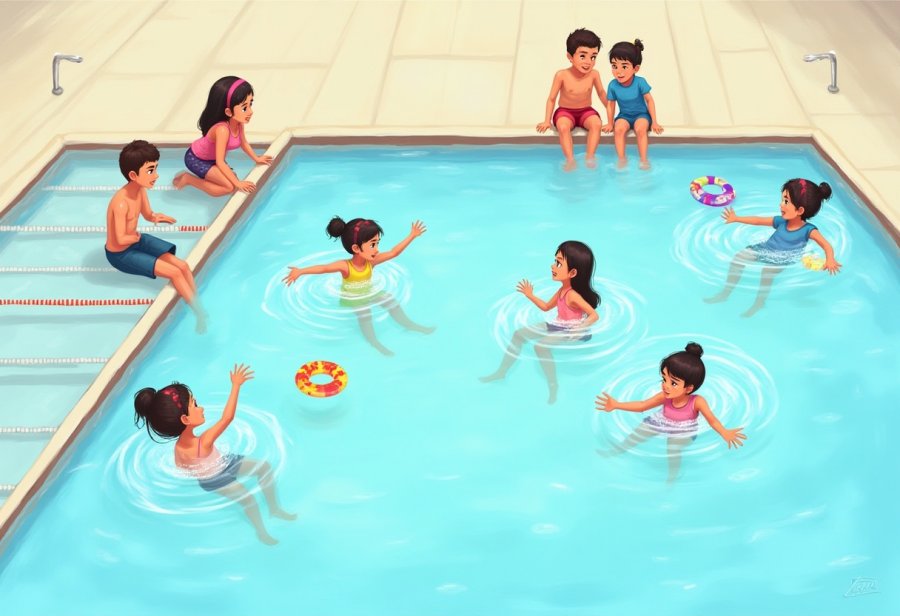
Learning to swim at any age is a journey that blends skill-building with personal growth. The most valuable lesson is that progress depends more on patience and consistency than innate ability. Whether you’re an adult facing water for the first time or a senior overcoming lingering fears, small, steady steps can lead to meaningful change. Celebrating each achievement, no matter how minor, creates momentum and deepens confidence. The key is persistence—everyone’s pace differs, but perseverance turns small wins into lasting abilities.
Building water confidence isn’t about rushing to mastery. It’s rooted in creating comfort through gradual exposure—starting in shallow water, practicing breathing, floating, and gentle kicking. These fundamentals lay a solid foundation, making more complex skills less intimidating later. Support from patient instructors and encouraging loved ones plays a crucial role, helping learners stay motivated and safe. When each small success feels real, it reinforces trust in your capabilities and transforms fear into enjoyment.
Fear around water is common, yet it’s entirely manageable. Many carry some level of anxiety, but with the right approach, those fears can evolve into resilience and curiosity. Techniques like deep breathing, visualization, and celebrating small wins help reframe water from a threat into an environment for growth. Recognizing setbacks as part of the process allows learners to stay motivated, knowing persistence will diminish fears and foster confidence. Every step forward builds a stronger sense of control and comfort.
Advancements in technology and community programs are reshaping how people learn to swim. Wearable devices and virtual environments make skill development more engaging and accessible, helping beginners practice safely outside the pool. Inclusive initiatives, tailored for diverse groups, are breaking down barriers and making water confidence a universal goal. These efforts emphasize that learning to swim isn’t just a recreational skill—it’s a vital safety tool that everyone deserves to master.
The lessons learned extend beyond physical skills. Developing water confidence teaches resilience, patience, and the importance of support. Each small step builds trust in your body and mind, turning initial fears into a lifelong connection with water. The process encourages a growth mindset, where challenges become opportunities for discovery. As confidence grows, water transforms from a source of anxiety into a space of freedom and joy, enriching life in unexpected ways.
Age doesn’t define potential. Every effort, every small victory, adds to a foundation of trust and safety. Embracing the journey means recognizing that setbacks are normal and that perseverance is what ultimately leads to success. With patience and support, anyone can convert water fears into confidence, unlocking the many benefits of lifelong swimming. This ongoing process not only teaches water skills but also cultivates resilience and a sense of empowerment that radiates beyond the pool.
In the end, learning to swim is about more than just mastering strokes. It’s about reclaiming independence, facing fears, and discovering new confidence at any stage of life. The ability to navigate water safely and comfortably opens doors to adventure, relaxation, and connection. Every small step taken in the water is a testament to resilience and a reminder that it’s never too late to start. The journey may be gradual, but the rewards—a sense of freedom, safety, and joy—are well worth every effort.