




Step into the roaring world of the 1970s Chevrolet SS, a symbol of American muscle car greatness that epitomized raw power and daring style. With thunderous V8 engines, aggressive aesthetics, and bold colors like Hugger Orange, these cars weren’t just vehicles—they were declarations of rebellion and freedom. Yet, as regulations tightened and fuel prices soared, their dominance waned, sparking debates between performance and practicality. Today, these iconic machines continue to captivate enthusiasts worldwide, blending vintage charm with modern upgrades to keep their legacy alive. Restorations, cultural portrayals, and community passion ensure the spirit of these muscle cars endures, embodying a rebellious attitude that still inspires. But can modern automakers replicate that rebellious essence? Their enduring appeal reveals that the legacy of the Chevrolet SS is more than nostalgia—it’s a testament to a bold era where power and attitude reigned supreme, forever etched into automotive history.
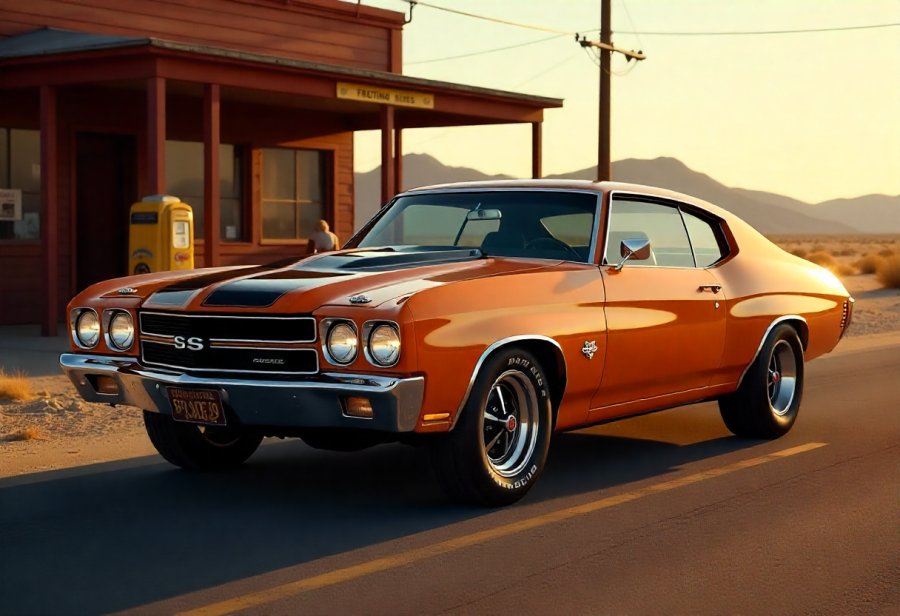
The Iconic Power and Style of the 1970s Chevrolet SS
The 1970s Chevrolet SS stands as a true icon of American muscle car history, capturing the essence of an era when power and bold style took center stage. It wasn’t just about getting from point A to B; it was about making a statement—about rebellion, freedom, and raw performance. The Chevelle SS 454, perhaps the most celebrated model of the lineup, embodied these qualities perfectly with its thunderous V8 engine and aggressive design. Its presence on the road was impossible to ignore, exuding confidence and attitude at every turn.
This period marked a high point for muscle cars, blending daring aesthetics with engineering prowess. The Chevrolet SS featured big-block engines, with the 454 cubic inch (7.4L) V8 offering around 450 horsepower—enough to turn heads and fuel adrenaline. Its exterior boasted a distinctive look: cowl-induction hoods, racing stripes, and bold badging that shouted performance. Inside, functionality reigned, with a driver-focused cockpit designed to enhance control during spirited drives.
Culturally, the Chevrolet SS became more than just a vehicle; it was a symbol of American ingenuity and youthful rebellion. Its roar echoed through streets and drive-in nights, embodying a sense of freedom and unrestrained speed. Every detail, from its wide stance to its shiny chrome accents, was crafted to evoke emotion—making it a rolling testament to the golden age of muscle cars. Even decades later, enthusiasts continue to admire its timeless design and formidable performance.
Despite its legendary status, the journey of the Chevrolet SS wasn’t without challenges. Rising emissions standards, safety regulations, and fuel prices gradually chipped away at the muscle car’s dominance. Yet, these cars adapted, evolving from raw speed machines into cherished collectibles that still inspire admiration. Today, they serve as reminders of a bold, unapologetic era when American cars truly celebrated power and personality.
In essence, the 1970s Chevrolet SS remains a symbol of American muscle car greatness. It represents a time when speed and style went hand in hand—an enduring legacy that continues to captivate car lovers and define the spirit of daring performance. Owning or simply admiring these cars keeps that fiery, rebellious spirit alive, making them timeless icons of automotive history.
Muscle Car Nostalgia: The Bold Aesthetics and Roaring Performance
The muscle cars of the 1970s, especially the Chevrolet SS, are celebrated not just for their performance but for their bold, unmistakable style. These vehicles were designed to command attention, with aggressive lines, wide stances, and eye-catching paint jobs like Hugger Orange and bright reds. Every curve and detail was crafted to evoke a sense of power and presence, making them impossible to ignore on the street or at car shows. Their visual impact was about more than aesthetics—it was about making a statement that demanded respect and admiration wherever they appeared.
The sound of their big-block engines added an emotional punch that words often can’t fully capture. Deep, thunderous, and unapologetically loud, the exhaust note became a soundtrack for a generation that cherished raw power and attitude. The roar of these engines was more than noise; it was a declaration of dominance and freedom, creating an almost primal connection between driver and machine. This auditory experience fueled a visceral excitement, transforming driving into an exhilarating act of rebellion and self-expression.
Beyond their technical prowess, these muscle cars embodied a spirit of liberation and pride. They symbolized youth, daring, and a celebration of American engineering excellence. Driving one was an act of embracing individuality and unrestrained speed, where style and sound worked together to forge an emotional bond. The bold aesthetics—wide grilles, racing stripes, and prominent badging—continue to evoke nostalgia, ensuring these cars remain iconic symbols of 1970s American car culture.
Their distinctive styling and commanding engines continue to captivate enthusiasts today. Many owners restore or customize their vehicles to recapture that original swagger, emphasizing period-correct details or adding modern upgrades for reliability and performance. Bright colors and aggressive lines are carefully preserved or enhanced, so these cars still turn heads at shows and on the road. They serve as rolling tributes to an era where speed, style, and attitude went hand in hand, keeping the muscle car’s rebellious spirit alive.
The emotional appeal of the Chevrolet SS and its contemporaries lies in their ability to evoke a sense of freedom and adventure. They remind us of a time when roads were open, and the thrill of speed was pure and unfiltered. Whether cruising down a highway or participating in a vintage car event, these cars continue to inspire feelings of rebellion and excitement. Their bold design and thunderous performance are more than just features—they are the heart and soul of vintage muscle car culture, enduring symbols of an age when pushing limits was celebrated and power reigned supreme.
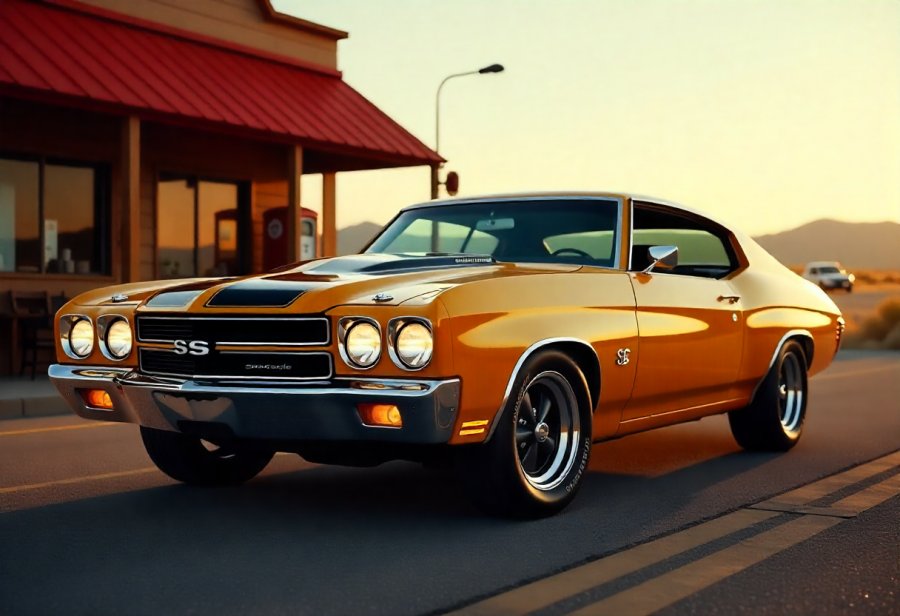
Conflicts and Challenges: Navigating Regulation, Environment, and Changing Tastes
The muscle car era of the 1970s was a time of bold innovation and unbridled performance, but it also faced mounting challenges that reshaped its course. As roaring engines like the Chevelle SS 454 echoed across streets, a quieter debate about regulation and environmental impact was taking shape behind the scenes. Stricter emissions standards and safety laws began to impose limits on the raw power that once defined these vehicles. Automakers were forced to dial back horsepower and make design compromises, which felt like a betrayal to enthusiasts who cherished unrestrained speed.
Meanwhile, rising fuel prices and inflation shifted consumer priorities away from performance toward practicality. What was once a symbol of rebellion and freedom started to seem less appealing when filling the tank became more expensive. Buyers began gravitating toward smaller, more economical cars, prompting manufacturers to scale back their big-block offerings. This shift marked a turning point, signaling the decline of the muscle car’s dominance in the American market.
Safety regulations added further complexity. The introduction of larger bumpers and mandated safety features altered the sleek, aggressive lines that muscle car fans loved. These modifications increased weight and compromised aerodynamics, slightly diminishing performance. For purists, it was frustrating to see their beloved cars change—less about raw power and more about bureaucratic compliance. Yet, these adjustments were necessary to meet new standards, and automakers had little choice but to adapt or risk losing relevance.
Public perception also shifted during this period. What had once been symbols of youthful rebellion and American ingenuity gradually became viewed as excess and environmental neglect. As pollution concerns grew, muscle cars faced criticism for their emissions and fuel consumption. While many enthusiasts still cherished their performance and style, the cultural narrative was changing—muscle cars transitioned from everyday vehicles to prized collectibles, their role in mainstream life diminishing.
Despite these conflicts, the muscle car era left a lasting legacy. It was a chapter defined by daring design and staggering horsepower, but also by the necessity of change. The debates over regulation and environmental responsibility continue to influence how these cars are viewed today—balancing the raw power that made them icons with modern demands for safety and sustainability. This period serves as a reminder that even the most rebellious symbols must evolve, yet their core spirit persists, inspiring new generations to appreciate the enduring legacy of American muscle.
Modern Relevance: How the 1970s Chevrolet SS Continues to Inspire Car Culture Today
Today, the influence of the 1970s Chevrolet SS remains a vibrant force within car culture and among enthusiasts worldwide. These vintage muscle cars, especially the iconic Chevelle SS 454, are highly sought after in collector circles. Restorers dedicate time and resources to bring them back to their original glory or customize them with modern performance upgrades. This blending of vintage aesthetics and contemporary engineering keeps their legacy alive and continuously sparks new interest.
Restoration plays a vital role in preserving the spirit of these classic cars. Enthusiasts seek out original parts or high-quality reproductions to maintain authenticity. Many also upgrade with modern fuel-injection systems, improved suspensions, and upgraded brakes, making these cars more reliable and enjoyable on today’s roads without sacrificing their vintage charm. This balance of preservation and innovation ensures these cars remain relevant and functional, bridging the gap between past and present.
The visual appeal of the Chevrolet SS still commands attention at car shows and gatherings. Its aggressive lines, bold badging, and wide stance evoke the muscle car era’s signature look. Owners often customize their rides with period-correct details or modern touches, emphasizing personal style while respecting the classic design. Bright colors like Hugger Orange and metallic reds continue to make these cars stand out, transforming them into rolling works of art that celebrate their historic roots.
Online forums and social media groups serve as vital hubs for the muscle car community. These platforms facilitate sharing restoration tips, stories, and admiration, connecting enthusiasts across the globe. From quick advice to full-scale restorations, this collective knowledge fuels ongoing passion and innovation. The sense of camaraderie and shared purpose keeps the culture vibrant, ensuring that the legacy of the Chevrolet SS endures through generations.
Beyond individual restorations, modern automakers draw inspiration from these classics. Many contemporary muscle cars echo the styling cues of the 1970s Chevelle, blending retro aesthetics with advanced engineering. Marketing campaigns often highlight their heritage, appealing to both nostalgic older fans and younger drivers eager for a taste of muscle car history. This cross-generational appeal helps keep these iconic vehicles relevant in today’s automotive landscape.
The presence of the Chevrolet SS in pop culture further cements its legendary status. It appears in movies, music videos, and advertisements that celebrate the American muscle car spirit—emblems of freedom, rebellion, and power. These portrayals reinforce its image as more than just a vehicle; it’s a symbol of American ingenuity and attitude that continues to resonate with audiences worldwide.
As new generations discover the thrill of these cars, their story expands beyond nostalgia. They become active participants in a community that values history, craftsmanship, and performance. Each restoration, each drive, and each show sustains their relevance, proving that the spirit of the 1970s Chevrolet SS isn’t just a chapter in history—it’s an ongoing movement. Their roar remains a powerful reminder that true muscle car legacy is built on unyielding passion and bold attitude.
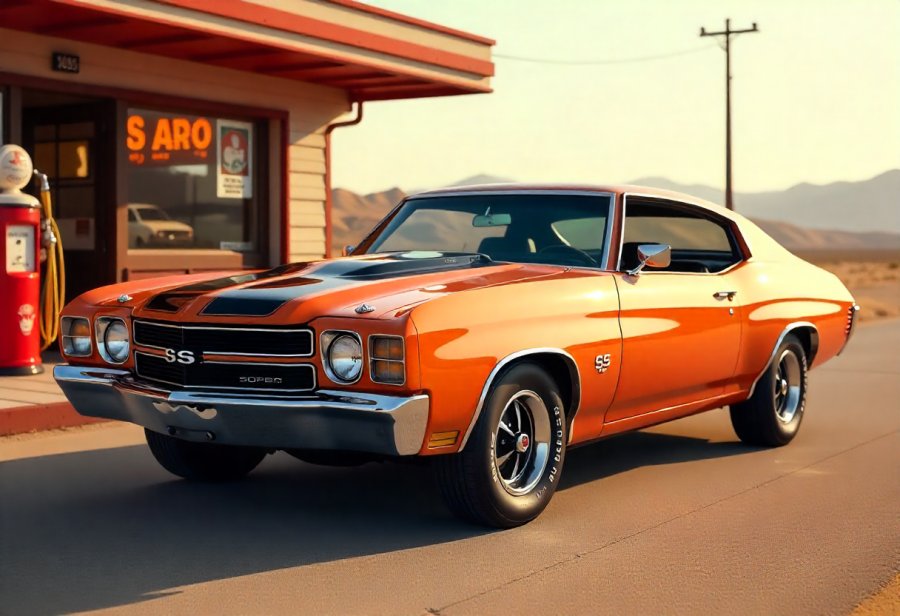
Legacy and Reflection: Celebrating the Enduring Spirit of the 1970s Chevrolet SS
The legacy of the 1970s Chevrolet SS continues to resonate today, embodying the daring spirit of American muscle car engineering and bold design. These vehicles captured a moment when raw power and distinctive style defined an entire era, leaving an indelible mark on automotive history. Their thunderous engines and aggressive aesthetics are more than mere nostalgia—they represent a rebellious attitude and a celebration of individuality that still inspires enthusiasts around the world.
What makes the Chevrolet SS so enduring isn’t just its performance, but its ability to symbolize a time when pushing boundaries was celebrated. Today’s collectors and restorers breathe new life into these cars, blending vintage charm with modern technology to keep their spirit alive. Restorations and upgrades allow owners to experience the thrill of these machines on today’s roads, ensuring that their legacy isn’t just preserved but also evolved.
Despite the advent of more regulated and environmentally conscious vehicles, the appeal of these muscle cars remains strong. They serve as powerful reminders of a different approach—one that prioritized personality, power, and unfiltered excitement. Their presence at car shows, in media, and within car communities continues to reinforce their iconic status, proving that their roar still echoes loudly in the cultural landscape.
The cultural relevance of the Chevrolet SS extends beyond the garage. It appears in movies, music, and advertisements that celebrate the rebellious, free-spirited ethos of American muscle cars. These portrayals deepen their mythos, reinforcing their role as symbols of resilience, innovation, and attitude. For many, owning or simply admiring these cars is an act of connecting with a bygone era that still feels alive today.
Every restoration, every drive, and each show participation keeps the spirit of the 1970s muscle car movement vibrant. These cars are no longer just relics; they are active participants in a community that values craftsmanship, history, and performance. Their roar and presence continue to inspire new generations, proving that true muscle car legacy is built on passion and unyielding attitude.
As the years pass, the story of the Chevrolet SS grows richer. It’s a testament to the enduring appeal of American ingenuity and the timeless allure of speed and style. These cars remind us that rebellion and craftsmanship go hand in hand, and their influence persists in modern design and culture. They are more than machines—they are symbols of an era that dared to be different.
The ongoing fascination with the Chevrolet SS underscores a universal truth: powerful, well-designed cars never truly fade away. Instead, they evolve, inspiring new interpretations while honoring their roots. Their legacy is a living, breathing part of automotive culture—an unbreakable link between past and present.
Ultimately, the spirit of the 1970s Chevrolet SS endures because it captures something fundamental—an unrelenting drive to push limits, craft excellence, and leave a mark. It’s a legacy built on boldness, rebellion, and passion, proving that some icons never truly fade—they only grow more legendary with time.