



Imagine transforming your Toronto yard into a captivating outdoor retreat that seamlessly balances beauty, sustainability, and personal vision—sounds ideal, but how can homeowners achieve this harmony in a climate marked by harsh winters and humid summers? This exploration reveals that thoughtful landscape design, rooted in native plants, eco-friendly materials, and water conservation strategies, can create resilient, vibrant spaces that support local ecosystems. From selecting durable, eco-conscious hardscapes to integrating innovative features like rain gardens and native wildflower beds, each choice contributes to a sustainable, eye-catching environment. But the real question remains: how do designers ensure these visions are faithfully realized during installation, maintaining long-term health and ecological integrity? The future promises even smarter, regenerative landscapes that prioritize soil health, biodiversity, and resource conservation—transforming ordinary yards into thriving ecosystems. What if your outdoor space could be both breathtaking and a testament to environmental responsibility?
Transforming Toronto Yards into Personal Outdoor Retreats: Balancing Beauty, Sustainability, and Client Vision
Transforming a Toronto yard into an inviting outdoor retreat involves more than just planting a few shrubs or laying stones. It’s about striking the right balance between aesthetic appeal, sustainability, and the homeowner’s vision. When done thoughtfully, this harmony creates spaces that feel personal, resilient, and environmentally responsible. The goal is to craft outdoor environments that are beautiful to look at, easy to maintain, and supportive of the local ecosystem.
Toronto’s climate plays a key role in shaping these landscapes. With cold winters and humid summers, selecting the right plants and materials is essential. Native species, adapted to thrive in this environment, require less water and fewer chemicals, reducing both maintenance and ecological impact. Incorporating these plants helps create lush, sustainable yards that stay vibrant through changing seasons while supporting local biodiversity.
Effective backyard transformation also hinges on understanding individual preferences. Some clients envision lush, tropical-inspired gardens, while others lean toward sleek, modern designs. Clear communication, visual tools like mood boards, and collaborative planning ensure the final result reflects the homeowner’s personality and lifestyle. This approach fosters trust and ensures the project aligns with expectations, making the outdoor space a true extension of their home.
Designing with sustainability in mind involves thoughtful choices about plants, materials, and features. Permeable paving, reclaimed wood, and water-efficient irrigation systems help manage stormwater and conserve resources. Hardscaping elements are selected not only for durability but also for their ability to blend seamlessly into the natural landscape. When these components work harmoniously, they create outdoor spaces that are both stunning and resilient, capable of withstanding Toronto’s seasonal fluctuations.
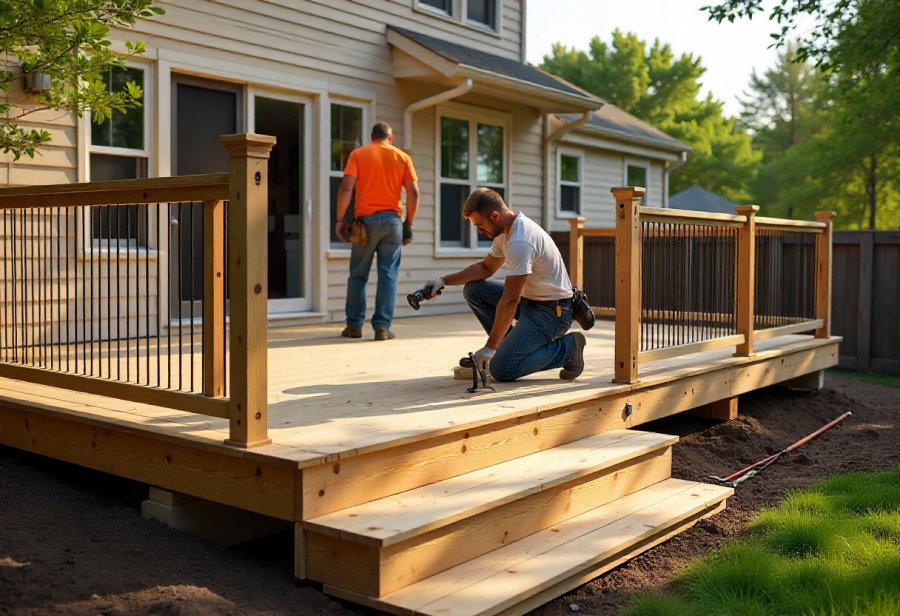
The installation process is where vision truly comes to life. Proper soil preparation, strategic plant placement, and eco-friendly materials lay the foundation for long-lasting beauty. Regular communication during this stage keeps clients engaged and informed, ensuring the project stays true to the original design. When finished, these yards aren’t just beautiful—they’re thoughtfully crafted environments that support sustainability and provide ongoing enjoyment.
A successful backyard transformation in Toronto is a blend of artistry, practicality, and environmental consciousness. It’s about creating outdoor retreats that inspire and endure, year after year. By prioritizing both aesthetics and ecological responsibility, homeowners can enjoy spaces that truly enhance their quality of life while respecting the city’s natural landscape. This balanced approach sets the stage for future innovations in sustainable outdoor design, proving that beauty and responsibility can go hand in hand.
Core Principles of Sustainable Landscape Design in Toronto
Sustainable landscape design in Toronto hinges on making choices that balance environmental responsibility with visual appeal and functionality. Native plants are at the core of this approach; they’re naturally adapted to Toronto’s climate, which means they require less water, fertilizers, and pesticides. This not only reduces maintenance but also supports local biodiversity, creating a resilient environment that thrives with minimal intervention. Incorporating native species ensures the landscape can withstand seasonal swings, from cold winters to humid summers, while staying vibrant year-round.
The selection of eco-friendly hardscape materials also plays a vital role. Permeable pavers, reclaimed wood, and natural stones allow rainwater to seep into the ground, helping to manage stormwater effectively and reduce runoff. These materials enhance the durability and aesthetic of the landscape, contributing to a more sustainable design. By reducing impermeable surfaces, designers help prevent urban flooding and promote natural water filtration, aligning beauty with ecological health.
Water conservation features are integral to sustainable landscapes. Rain gardens, drip irrigation, and smart watering systems optimize resource use and support plant health during dry periods. These solutions conserve water while maintaining lush, thriving gardens. Proper soil preparation and mulching further improve water retention and soil health, reducing the need for chemical inputs and replanting. This holistic approach ensures landscapes remain resilient, beautiful, and eco-friendly over time.
Designing landscapes with resilience in mind means selecting plants and materials suited to Toronto’s seasonal extremes. Healthy soils, diverse plantings, and strategic hardscaping create self-sustaining environments that require less chemical input. Such landscapes not only look good but also function as habitats for pollinators and local wildlife, actively supporting biodiversity. When every element is chosen with care, the landscape becomes an ecosystem that endures and adapts naturally.
A sustainable landscape is also about fostering a connection with the environment. Incorporating features like native wildflower beds and pollinator-friendly shrubs encourages biodiversity and supports local ecosystems. These elements transform a yard from a simple outdoor space into a thriving habitat, enriching both the landscape’s beauty and its ecological value. This synergy of aesthetic and environmental benefits underscores the importance of mindful design choices.
In practice, integrating these principles involves clear planning and thoughtful execution. Using durable, recycled, and natural materials not only minimizes waste but also enhances the landscape’s natural feel. Regular maintenance practices—like organic mulching and seasonal pruning—help sustain plant health without relying on harmful chemicals. By embedding sustainability into every stage of the project, landscape professionals create outdoor spaces that are as responsible as they are stunning.
Ultimately, sustainable landscape design in Toronto is about more than just aesthetics; it’s a commitment to the environment and the community. When landscapes are crafted with care for native plants, water efficiency, and resilient materials, they become lasting assets that support ecological health while bringing beauty and function to any yard. This balanced approach paves the way for greener, more resilient outdoor spaces that genuinely stand the test of time.

Techniques for Seamless and Eco-Friendly Yard Renovations
Achieving a seamless and sustainable yard renovation in Toronto starts with a thorough understanding of the site itself. Conducting a detailed assessment of existing conditions—such as soil quality, drainage patterns, and microclimates—guides smarter design choices that blend beauty with eco-responsibility. Incorporating natural features like rain gardens or native planting zones not only elevates visual appeal but also improves stormwater management and supports local ecosystems.
Clear communication from the outset is crucial. Explaining the benefits of eco-friendly practices, such as native plants or water-efficient irrigation, helps clients understand how these choices align with their aesthetic and environmental goals. Keeping them involved with regular updates throughout installation fosters trust and ensures the project remains true to the initial vision.
During installation, attention to detail makes a significant difference. Proper soil preparation, strategic plant placement, and the use of eco-friendly materials lay a solid foundation for long-term success. Positioning shade trees to reduce cooling costs or designing pathways that promote water infiltration are small choices that collectively enhance resilience and functionality. Thoughtful hardscaping and planting create harmonious scenes that look natural and withstand Toronto’s seasonal shifts.
Innovative features can elevate a project beyond basic landscaping. Water elements like small ponds or naturalistic fountains introduce soothing sounds and attract wildlife, enriching the outdoor experience. Carefully chosen lighting highlights focal points such as native plant gardens or sculptural elements, extending usability into evening hours without compromising eco-standards.
The installation process itself should prioritize quality and sustainability. Techniques like proper soil grading, strategic plant spacing, and selecting durable, eco-conscious materials ensure the landscape’s health and longevity. Using recycled stones for pathways or natural mulches for beds not only reduces waste but also enhances the landscape’s natural aesthetic. These details reinforce the project’s environmental integrity and visual harmony.
Post-installation maintenance is key to sustaining the yard’s beauty and ecological benefits. Practices such as organic mulching, seasonal pruning, and natural pest management keep plants vigorous without chemicals. Incorporating water-saving systems like rainwater harvesting and drip irrigation supports ongoing conservation efforts, ensuring the landscape remains vibrant and resilient through Toronto’s changing seasons. When integrated thoughtfully, these strategies help transform outdoor spaces into enduring retreats that are both stunning and sustainable.
Real-Life Applications: Bringing Sustainable Toronto Landscaping to Life
In Toronto, turning sustainable landscape principles into tangible results involves tailoring solutions to the city’s unique environment. One recent project transformed a small backyard into an eco-friendly retreat that balances low maintenance with visual appeal. Native plants suited to Toronto’s climate were carefully selected, reducing water and chemical needs. Permeable pavers were used for pathways, allowing rainwater to seep into the ground and helping manage stormwater runoff. This combination created a lush, vibrant space while supporting local water management and reducing flooding risks.
Another example focused on achieving a sleek, modern look without sacrificing sustainability. High-performance native grasses and shrubs replaced high-maintenance turf, paired with reclaimed wood for decks and furniture. A thoughtfully integrated rain garden captured runoff from rooftops and driveways, cutting down on supplemental watering and filtering pollutants. These choices demonstrated that eco-friendly design could be both stylish and functional, even in a city with Toronto’s seasonal weather swings.
Supporting local biodiversity was a key goal in many projects. Native wildflower beds and pollinator-friendly shrubs turned yards into mini-ecosystems that attract bees, butterflies, and birds. Permeable paving was used for patios and walkways, preventing runoff and blending seamlessly with the landscape. These practical choices show how sustainable techniques can enhance a yard’s beauty while actively supporting Toronto’s natural habitats and ecological health.
Even small spaces can make a big impact. Some homeowners opted for vertical gardens and layered planting schemes that maximize visual interest and ecological benefits in limited areas. Native plants with low water needs were paired with eco-friendly materials like recycled stone and natural mulches for beds and walls. These compact designs prove that sustainable landscaping isn’t limited by size but can create lush, inviting retreats that feel just as vibrant and functional.
Effective communication played a crucial role throughout these projects. Explaining the benefits of native plants, permeable surfaces, and water-saving features helped clients understand how eco-conscious choices aligned with their aesthetic and environmental goals. Regular updates during installation kept projects on track and true to the original vision, strengthening trust and ensuring satisfaction.
Attention to detail during installation cemented long-term success. Proper soil preparation, strategic plant placement, and the use of durable, eco-friendly materials laid a strong foundation for landscapes that endure Toronto’s seasonal changes. Practices like organic mulching, seasonal pruning, and water conservation systems support ongoing health and vibrancy. These real-world examples demonstrate how thoughtful planning and execution turn sustainable principles into beautiful, resilient outdoor spaces that owners can enjoy for years to come.

Looking Ahead: Future Trends in Eco-Conscious Toronto Landscape Design
Looking ahead, the future of Toronto landscape design is deeply rooted in sustainability. Advancements in eco-friendly materials, water conservation technologies, and native planting strategies are making it easier for homeowners and designers alike to craft outdoor spaces that are both beautiful and resilient. Innovations such as smart irrigation systems, green roofs, and regenerative landscaping are gaining momentum, offering fresh ways to enhance aesthetic appeal while supporting the local environment. These developments help ensure that Toronto yards remain vibrant, functional, and environmentally responsible well into the future.
The shift toward greener landscapes isn’t just a passing trend; it’s becoming the standard approach. As awareness of climate challenges and resource scarcity grows, more homeowners seek solutions that minimize their ecological footprint. Incorporating native plants that bolster biodiversity, utilizing permeable and recycled materials, and adopting water-saving measures are now essential elements of thoughtful landscape design. This broader acceptance opens the door for more creative, environmentally conscious projects where beauty and sustainability work hand in hand.
Emerging technologies promise to make sustainable landscaping even more effective and accessible. Smart irrigation systems that adapt to weather conditions, rainwater harvesting, and greywater reuse are increasingly affordable options that help homeowners conserve resources effortlessly. Green roofs and living walls not only add visual interest but also improve air quality and help mitigate urban heat islands. These innovations are transforming outdoor spaces into eco-friendly sanctuaries, seamlessly blending aesthetic value with ecological responsibility.
Regenerative landscaping is also gaining traction, focusing on restoring and enhancing local ecosystems. These designs prioritize soil health, support pollinators, and create habitats that benefit wildlife. Instead of merely maintaining landscapes, regenerative practices actively heal and strengthen the environment. As Toronto residents embrace these principles, the city’s outdoor spaces will evolve into living ecosystems that contribute to ecological resilience and urban well-being.
While technology and new methods evolve, the core goal remains clear: to create outdoor retreats that are as beautiful as they are responsible. Thoughtful planning, a keen understanding of Toronto’s climate, and a commitment to native planting and eco-conscious materials will continue to guide landscape professionals. This balanced approach ensures each project adds value to the community, enriching both the environment and the homeowner’s experience.
The journey forward involves reimagining outdoor spaces as integral parts of a sustainable cityscape. With ongoing innovation and a collective focus on environmental stewardship, Toronto yards can become models of resilience, beauty, and functionality. Every project that integrates these principles helps build a greener, healthier future—proof that good design can be both inspiring and impactful. As we move into this exciting era, the potential to transform outdoor retreats into truly regenerative environments is limitless.