



Embarking on your first camping adventure might seem daunting with all the gear, setup, and outdoor challenges looming. But what if a positive mindset could transform this intimidating experience into your most rewarding escape? This guide reveals how approaching camping with curiosity, patience, and a little preparation can turn obstacles into stories of growth and fun. From choosing the right location and packing essentials wisely to mastering basic outdoor skills and embracing weather surprises, every step becomes part of the adventure. Budget-friendly tips show that you don’t need a fortune to enjoy nature’s wonders, while insights into the mental and physical benefits highlight camping’s power to rejuvenate your daily life. Could shifting your attitude unlock a lifelong love of the outdoors? With the right perspective, your first trip becomes not just a one-time experience but the beginning of a deeper connection with nature and yourself.
Embrace the Outdoors: Your First Camping Adventure Awaits
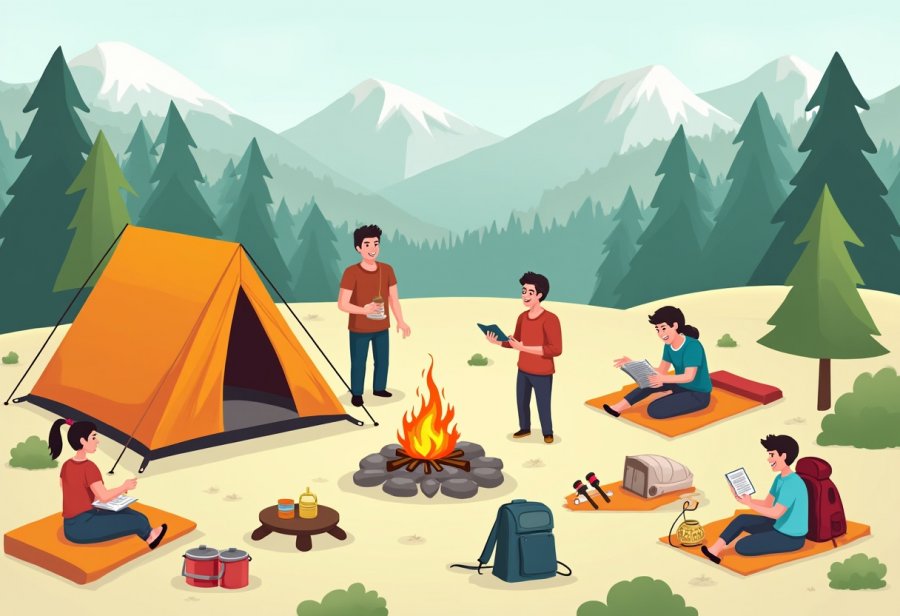
Starting your first camping trip can feel a little intimidating, especially if you’re new to the outdoors. The thought of packing gear, setting up a tent, and cooking over a campfire might seem overwhelming at first. But here’s the thing: with a positive mindset and some simple preparation, those worries tend to fade away quickly. Camping isn’t as complicated as it seems—it’s more about embracing an adventure than trying to perfect every detail from the start.
When you approach it with curiosity and patience, camping becomes an exciting opportunity to learn and explore. Instead of focusing on what might go wrong, try to see every challenge as part of the experience—whether it’s weather changes or gear hiccups. These moments aren’t setbacks; they’re stories in the making. A good attitude helps you stay flexible and open-minded, turning potential stress into a chance for growth and fun.
Preparation is your best ally. Doing a little research on your destination, packing the essentials, and knowing what to expect can boost your confidence. Think of it like packing for a trip—bring the basics, like a reliable tent, warm sleeping gear, and safety items, and leave out the unnecessary clutter. When you’re well-organized, setting up camp and handling unexpected surprises become much easier and more enjoyable.
Remember, many seasoned campers started just where you are now. They didn’t become experts overnight. Instead, they learned by trying, making mistakes, and staying patient. Giving yourself permission to not get everything perfect right away is part of the journey. Every small success—like pitching your tent or making your first outdoor meal—builds your confidence and fuels your enthusiasm for future adventures.
Think of your first trip as the beginning of many outdoor explorations. It’s not just about reaching a destination but enjoying every step along the way. With the right mindset, you’ll find that camping is more accessible and rewarding than you might have imagined. It’s about stepping outside your routine, embracing nature, and discovering new parts of yourself as you go.
So, as you plan your first outing, keep in mind that the biggest part of the experience is your attitude. Approach it with curiosity, patience, and a sense of adventure. The outdoors welcomes you—ready to turn simple moments into lasting memories. With a positive outlook, your first camping trip can be the start of a lifelong love for nature and outdoor living.
Lay the Groundwork: Essential Planning for Your Camping Journey
Preparing for your first camping trip sets a solid foundation for a smooth and enjoyable outdoor experience. The first step is choosing the right location—whether it’s a nearby state park or a more remote site—that matches your comfort level and interests. Doing some quick research about the area’s weather, wildlife, and safety guidelines helps you pack smarter and avoid surprises once you arrive. Knowing what to expect allows you to plan accordingly and reduces stress during setup and activities.
Next, focus on gathering the essentials. Keep your gear simple and reliable: select an easy-to-set-up tent, a warm sleeping bag, and a comfortable sleeping pad. Safety items like a first aid kit, flashlight, and insect repellent are must-haves that keep you prepared for common outdoor issues. Borrowing gear from friends or renting equipment from outdoor stores can cut costs and save space in your car, especially if you’re trying camping for the first time.
Choosing a good campsite is also crucial. Look for flat, sheltered ground away from potential hazards like falling branches or flood zones. If available, opt for a spot with easy access to water and clear signage for navigation. For beginners, a developed campground with facilities such as toilets and fire pits offers a more relaxed environment, making your first experience less intimidating and more fun. Once you arrive, take a few minutes to inspect the site and plan your setup.
Learning a few basic outdoor skills before heading out can boost your confidence. Practice pitching your tent at home so you’re familiar with the process, and understand how to operate your stove or fire pit safely. Store food properly to keep wildlife at bay, and always follow fire safety rules. Packing a map, compass, or GPS device, along with a whistle, adds an extra layer of security, especially if you plan to explore beyond your campsite.
Weather can be unpredictable, so packing versatile clothing is wise. Layering allows you to stay warm in the mornings and cool during the day, while waterproof gear ensures you’re prepared for rain. Bringing extra blankets and sturdy shoes keeps you comfortable regardless of conditions. Being ready for different weather scenarios means your trip won’t be derailed by minor shifts in the forecast.
Finally, mental preparation is just as important as packing gear. Approach your trip with patience and an open mind, knowing that things might not go perfectly—and that’s okay. Flexibility helps you handle setbacks with humor and resilience, turning small challenges into part of the adventure. A positive mindset transforms camping from a stressful task into a memorable journey of discovery and connection with nature.
Bring It to Life: Practical Tips for a Smooth Camping Experience
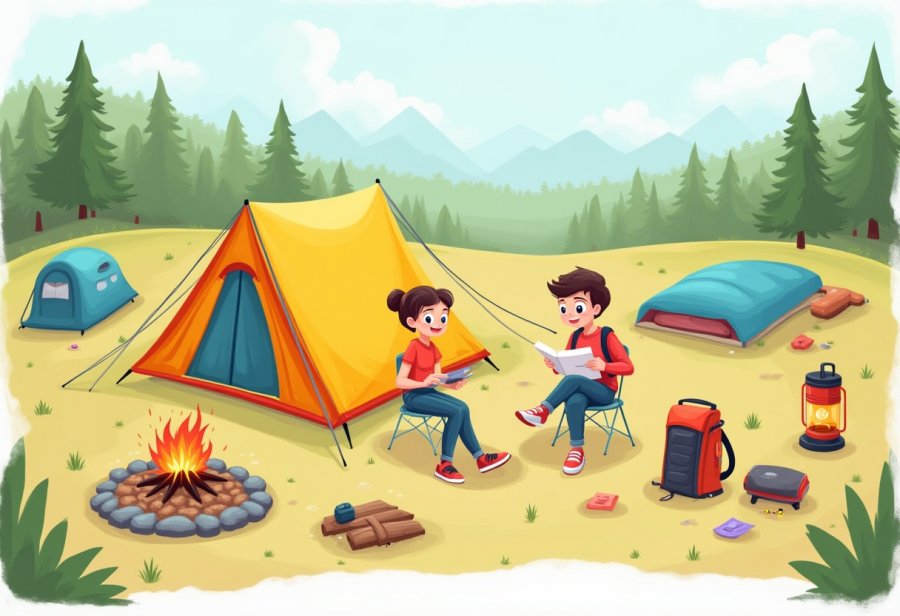
Once you arrive at your campsite, start by finding a flat, sheltered spot away from hazards like falling branches or flood-prone areas. Setting up your tent in daylight makes the process smoother and less stressful. Take your time, follow the instructions carefully, and if possible, practice pitching your tent at home beforehand. Securing all stakes and poles properly will ensure your shelter is stable and comfortable for the night. Once your tent is up, organize your gear inside to keep essentials within easy reach, making it quick to settle in and relax.
After your shelter is ready, focus on creating a designated space for sleeping. Lay out your sleeping bag and pad to make the transition into rest straightforward. Keep a flashlight, water, and a hat nearby so you can access them easily, especially once darkness falls. When it’s time to cook, set up a simple station—whether using a portable stove or a fire pit—away from your tent to prevent accidents. Always follow fire safety rules: keep a bucket of water or fire extinguisher nearby, and never leave a fire unattended.
Engaging with the outdoors helps deepen your connection to nature and keeps your trip lively. Short hikes, birdwatching, or exploring nearby trails are easy ways to enjoy your surroundings. Carry a map, compass, or GPS device, especially if you’re venturing beyond your campsite, and inform someone of your plans. Staying aware of your environment prevents getting lost and ensures safety during your adventures. If wildlife appears, observe from a distance and avoid feeding animals—they’re part of the scenery, not your entertainment.
Flexibility is key as the day unfolds. Weather might shift, or gear might need adjustments—that’s all part of the process. If rain arrives, embrace it as part of the adventure rather than a setback. Use this time to enjoy the cozy comfort of your tent or share stories around the campfire. Remember, the goal is to have fun and learn, not to perfect every detail on your first try. Each small success, like setting up your tent or cooking outdoors, boosts your confidence and makes you eager for future trips.
As night settles in, take a moment to unwind and soak in the peacefulness around you. Watching stars or sitting quietly by the campfire can be a soothing way to end your day. Before sleeping, ensure your fire is fully extinguished, and everything is out and cold. Patience, a positive attitude, and a sense of adventure will help your first outdoor experience come together smoothly, leaving you excited for the outdoors to become a regular part of your life.
Smart Spending: Budget-Friendly Strategies for Camping Your Way
Planning a camping trip that fits your budget doesn’t mean sacrificing the fun or missing out on memorable experiences. The key is to focus on essentials, get creative with savings, and keep things simple. Start by making a clear list of must-have gear—think a reliable tent, a warm sleeping bag, and basic cooking supplies. Borrowing equipment from friends or renting from outdoor stores can significantly cut costs, especially if this is your first time trying camping. It’s a smart way to try out gear without a hefty investment.
Choosing a less crowded or nearby campsite can also help you save. Local parks and state parks usually charge lower fees than popular national parks, and they often have the basics—water, toilets, and picnic areas—that make your stay comfortable. Staying closer to home reduces travel expenses and allows you to spend more time enjoying the outdoors rather than on the road. Plus, shorter trips mean you can pack light and avoid overpacking, which keeps your gear manageable and your budget in check.
Meal planning is another simple way to save money. Instead of splurging on snacks or eating out, prepare meals at home and pack non-perishable ingredients that are easy to cook outdoors. Homemade trail mix, granola bars, or dried fruits are affordable, lightweight, and perfect for snacking during hikes or relaxing at your campsite. This approach gives you control over your spending and helps prevent impulse buys once you’re on-site.
Many outdoor activities, like hiking, fishing, or birdwatching, are free or low-cost and provide hours of entertainment. Bringing your own gear for these activities means you won’t need to rent or pay extra fees, which keeps your trip budget-friendly. Planning ahead and sticking to a list prevents unnecessary purchases at the campsite or nearby stores, helping you stay within your financial limits.
Travel timing can also make a difference. Visiting during off-peak seasons or weekdays often results in lower campsite fees and less crowded spots, which enhances your experience and saves money. These times typically offer more availability, better amenities, and a quieter environment—making your trip more relaxing and affordable.
By organizing your expenses and making intentional choices, outdoor adventures become accessible without breaking the bank. A little planning goes a long way, proving that you don’t need a big budget to enjoy nature’s rewards. With smart strategies, you can create memorable, cost-effective camping trips that inspire you to explore more often and deepen your connection with the outdoors.
Camping’s Ripple Effect: Boosting Well-Being and Enriching Daily Life
Spending time outdoors through camping can significantly shape your overall well-being and daily outlook. Stepping away from screens and the constant buzz of routines offers a mental reset, helping to reduce stress and mental fatigue. When you disconnect from work emails and social media, you often find a sense of calm and clarity that’s hard to achieve amid daily chaos. This mental clarity can enhance focus and resilience, making everyday tasks feel more manageable and less overwhelming.
Physically, camping encourages movement in a natural setting, which can boost your mood and energy levels. Activities like hiking, setting up camp, or gathering firewood integrate gentle exercise into your day, promoting fitness without the formality of a workout. The fresh air and open spaces invigorate the senses, creating a feeling of renewal that many find carries over into their regular routines. These outdoor moments act as a quick reset button, leaving you more energized and motivated to tackle daily responsibilities.
Beyond physical and mental benefits, outdoor adventures cultivate qualities like patience, adaptability, and problem-solving. Managing unexpected weather changes or minor setbacks outdoors teaches resilience and flexibility—skills that translate seamlessly to work and personal life. Over time, these experiences foster a mindset that embraces challenges as opportunities for growth, helping you approach daily obstacles with a calmer, more constructive attitude.
Spending regular time outside also deepens your appreciation for simple pleasures—witnessing a sunrise, listening to birdsong, or simply observing the natural world. This mindfulness encourages gratitude and a slower pace of life, reminding you to savor moments rather than rush through them. Such habits can lead to healthier choices, better sleep, and a more balanced, satisfying lifestyle overall.
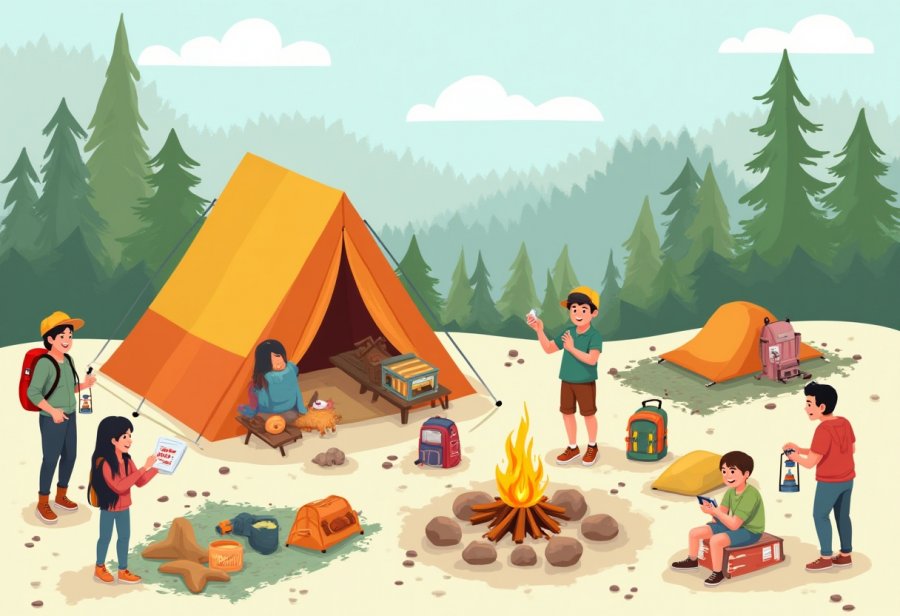
Sharing outdoor adventures with family or friends strengthens bonds and creates lasting memories rooted in joy and discovery. These shared experiences help forge deeper connections, reduce feelings of loneliness, and foster a sense of community. Incorporating camping into your routine can become a powerful way to nurture your well-being, enrich your relationships, and bring more intentionality and happiness into your everyday life.