




In a world where seamless communication is no longer a luxury but a necessity, how can businesses unlock greater efficiency and adaptability? Grandstream’s innovative telephony solutions promise just that—offering customizable, scalable devices that transform network infrastructure. Their carrier-grade IP phones support high-definition audio, effortless management, and robust security, ensuring clarity and reliability across diverse workflows. But the true game-changer lies in their integration with cloud platforms like GDMS and cutting-edge technologies such as artificial intelligence and the Internet of Things. These tools enable organizations to monitor, manage, and evolve their communication ecosystems remotely, turning traditional networks into intelligent, interconnected environments. This evolution not only streamlines operations and reduces costs but also prepares companies for future growth in a rapidly changing digital landscape. Are you ready to redefine your network’s potential and stay ahead in the competitive race?
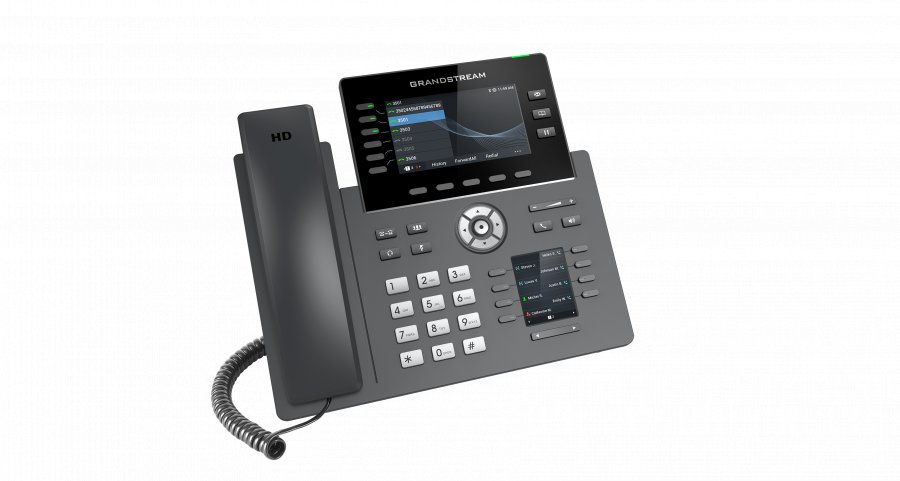
Empower Your Business with Customizable Telephony Solutions
In today’s fast-moving business landscape, effective communication isn’t just a convenience—it’s a necessity. Companies need reliable, clear channels to connect with clients, partners, and team members, no matter where they’re located. This demand has fueled a shift toward customizable telephony systems that can adapt to unique workflows, industry requirements, and growth trajectories. Unlike rigid, traditional phone setups, modern solutions prioritize flexibility, enabling organizations to craft communication environments tailored specifically to their needs.
Customizable telephony solutions empower businesses to design systems that grow and evolve with them. Whether expanding to new locations or integrating new communication channels, these systems can be modified easily without starting from scratch. This adaptability means companies aren’t locked into one-size-fits-all solutions that may fall short over time. Instead, they can build a scalable, future-proof infrastructure that supports both current operations and future expansion, all while maintaining consistent quality and performance.
Beyond scalability, these systems significantly boost productivity by aligning features with specific roles within the organization. For instance, sales teams benefit from quick access to customer data and conference calling, while customer support staff rely on call queues and auto-attendants to manage high volumes efficiently. When these tools are personalized to fit particular workflows, routine tasks become faster and less frustrating. Employees spend less time navigating complex menus or waiting for assistance, which translates into quicker responses and happier clients.
The deployment and management of these systems have also become more straightforward, especially with the rise of cloud-based platforms. Centralized management consoles allow IT teams to configure, monitor, and update telephony environments remotely. This means fewer on-site visits, faster rollouts, and easier maintenance—saving time and reducing costs. Whether adding new devices, adjusting settings, or deploying security updates, organizations can keep their communication systems current and secure without disrupting daily operations.
This shift toward customizable, flexible telephony aligns with broader technological trends, like cloud integration and unified communication platforms. These innovations facilitate seamless interaction between voice, video, and messaging tools, creating a unified communication experience. Such integration enhances collaboration, especially in remote work settings, enabling teams to stay connected effortlessly and respond swiftly to changing market demands. It’s not just about making calls; it’s about creating a cohesive, adaptable communication ecosystem.
Investing in customizable telephony solutions isn’t just a technology upgrade—it’s a strategic move toward greater agility and efficiency. By tailoring communication tools to specific organizational needs, businesses can streamline workflows, improve customer interactions, and position themselves for growth. In a world where agility and responsiveness matter more than ever, flexible telephony systems provide the foundation for a resilient, modern communication infrastructure that can keep pace with tomorrow’s challenges.

Unveiling the Core Features of Grandstream Devices for Seamless Communication
Building on the advantages of customizable telephony systems, the core features of Grandstream devices are designed to deliver reliable, flexible communication tailored to diverse business needs. Known for their robustness and user-friendly interfaces, these devices integrate seamlessly into existing networks while offering advanced functionalities that enhance productivity and streamline daily operations.
One standout feature of Grandstream IP phones is their exceptional voice clarity. High-definition audio technology ensures conversations are crisp and natural, minimizing background noise and echoes. This focus on sound quality is essential for remote collaboration and customer interactions, where clear communication can make a significant difference in understanding and professionalism. When teams can hear each other clearly, misunderstandings decrease, and efficiency increases.
Supporting multiple lines and programmable keys, Grandstream devices allow users to manage several calls simultaneously or access key contacts quickly. This capability is especially valuable for busy departments like customer support and sales, where quick response times are critical. The intuitive interfaces—whether through touchscreens or dedicated buttons—make call management straightforward, reducing the learning curve and enabling staff to navigate their workflows effortlessly. Personalization options, such as assigning speed dials or customizing interface layouts, further help streamline routine tasks and improve user experience.
Compatibility and easy network integration are at the core of Grandstream’s design philosophy. These devices are compatible with a wide range of VoIP platforms and adhere to standard communication protocols, making them simple to deploy within existing infrastructure. Features like Power over Ethernet (PoE) simplify installation by combining power and data transfer into a single cable, cutting down on clutter and reducing setup time—especially when deploying large quantities across multiple locations. This ease of installation translates into faster rollouts and less downtime, supporting business scalability.
Customization extends beyond basic settings. Users can tailor their device configurations—adjusting call handling preferences, ringtone choices, and interface layouts—to suit their specific roles. Programmable keys can be assigned for speed dialing or quick access to frequently used features, which saves time during busy periods. Such personalization reduces frustration and helps employees work more efficiently, ensuring that communication flows smoothly without unnecessary interruptions.
Security is a crucial consideration, and Grandstream devices are built with robust protections. Encrypted calls and user authentication protocols safeguard sensitive information during transmission, meeting the stringent security requirements of industries like healthcare, finance, and retail. Regular firmware updates and secure boot processes keep devices resilient against cyber threats, ensuring that the communication environment remains secure as organizations grow and evolve. This focus on security is vital for maintaining trust and compliance in today’s digital landscape.
The ability to manage devices remotely is another key advantage. Cloud-based management platforms, such as GDMS, enable IT teams to configure, monitor, and update hundreds or thousands of devices from a centralized dashboard. This approach reduces the need for on-site visits, accelerates deployment, and ensures consistency across all units. Whether rolling out new phones or applying security patches, remote management keeps the network synchronized, secure, and up-to-date—saving time and resources while maintaining operational continuity.
With their high-quality audio, extensive customization options, seamless integration, and advanced security features, Grandstream telephony devices provide a comprehensive foundation for modern business communication. These capabilities empower organizations to create reliable, efficient, and personalized communication environments that adapt to evolving workflows and support growth. By combining ease of use with scalability, Grandstream’s solutions help businesses connect more effectively, respond faster, and build a resilient infrastructure prepared for the future.

Shaping the Future of Business Networks with Grandstream Innovation
As businesses navigate an ever-evolving digital landscape, staying ahead means embracing the latest trends in communication technology. Cloud integration, artificial intelligence, and the Internet of Things are no longer just buzzwords—they’re transforming how companies connect, collaborate, and compete. Grandstream’s solutions are designed to leverage these innovations, creating smarter, more adaptable network environments that meet today’s demands and anticipate tomorrow’s needs.
Cloud-based management platforms like GDMS exemplify this shift. They allow organizations to oversee their entire telephony infrastructure from a single, intuitive dashboard. This centralized control streamlines deployment, simplifies updates, and enables real-time monitoring across multiple locations. Whether adding new devices, adjusting configurations, or deploying security patches, IT teams can act swiftly without the need for on-site visits, reducing downtime and operational costs. This scalability makes it easy to grow the network as the business expands, ensuring connectivity never becomes a bottleneck.
Artificial intelligence is reshaping the quality and insights of business communication. Grandstream’s devices incorporate features such as noise cancellation, voice recognition, and call analytics, empowering organizations to enhance service delivery and monitor performance. These tools help identify bottlenecks, improve customer experiences, and optimize workflows—turning raw communication data into actionable insights. As AI continues to advance, these capabilities will become even more integral, enabling more personalized and efficient interactions that drive customer satisfaction and operational efficiency.
The integration of the Internet of Things extends the reach of modern networks beyond voice and video. Grandstream’s solutions seamlessly connect with smart office devices—security cameras, environmental sensors, or access control systems—creating a cohesive, interconnected environment. This real-time automation enhances security, conserves energy, and streamlines operations. For instance, security alerts can trigger lighting or lockdowns, while environmental sensors can adjust climate controls automatically. These interconnected systems turn traditional networks into dynamic, responsive platforms that support broader organizational goals.
What sets Grandstream apart is their commitment to future-proof innovation. Their devices are built to support current technological trends while remaining adaptable to emerging advancements. Whether deploying a small office or a large enterprise network, organizations can rely on scalable, secure, and intelligent solutions that evolve with their business needs. This proactive approach ensures that investments today remain relevant tomorrow, providing a resilient foundation for ongoing growth and innovation.
Ultimately, Grandstream’s solutions are about more than just technology—they’re about transforming how businesses communicate and operate. By harnessing the power of the latest trends and integrating them into robust, flexible platforms, companies can enhance collaboration, improve responsiveness, and gain a competitive edge. As networks become more intelligent and interconnected, organizations that embrace these advancements will be better positioned to adapt quickly, serve their customers more effectively, and thrive in a digital-first world.