




Uncover how Alexander the Great’s visionary leadership and innovative tactics catapulted him from a young prince to one of history’s greatest conquerors, transforming civilizations and reshaping empires. His mastery of adaptability, cultural integration, and psychological warfare offers timeless lessons for modern leaders navigating complex, unpredictable environments. But what made his strategies so enduring? Was it his relentless ambition, his ability to inspire loyalty, or his genius for blending military precision with cultural diplomacy? As we explore his campaigns—from the bold use of terrain to engineering marvels like the Tyre siege—his legacy reveals that true conquest extends beyond territory into cultural influence and strategic ingenuity. For today’s leaders facing rapid change and global uncertainty, Alexander’s example challenges us to embrace flexibility, foster inclusivity, and lead with daring resilience. Could these ancient principles hold the key to modern mastery?

Unveiling the Legend: Alexander the Great’s Enduring Impact
Alexander the Great stands as one of history’s most compelling and enduring figures, not merely because of his extraordinary military achievements but because of the profound influence he exerted across the ancient world. His story is woven with themes of relentless ambition, strategic innovation, and an almost mythic ability to inspire loyalty among a diverse array of peoples. From his early years in Macedon, where he was groomed for leadership, to his expansive campaigns stretching from Greece through Persia and into India, Alexander’s life embodies the archetype of a visionary leader whose actions fundamentally reshaped civilizations.
What elevates Alexander beyond a mere conqueror is the scope and depth of his impact. His military campaigns did more than expand territory—they redefined the very idea of empire. Through his conquests, he facilitated a dynamic cultural exchange, spreading Hellenistic traditions far beyond Greece’s traditional borders. This synthesis of conquest and cultural dissemination ignited a renaissance in art, philosophy, and science that persisted long after his death, influencing subsequent generations and shaping the development of the Mediterranean and Near Eastern worlds. His leadership demonstrated that empire-building could be as much about cultural integration as territorial dominance, a lesson that continues to resonate in today’s discussions of globalization and soft power.
Central to Alexander’s success was his strategic genius—an ability to adapt, innovate, and inspire. His tactics went beyond brute force, emphasizing terrain mastery, psychological warfare, and logistical ingenuity. His mastery of combined arms—integrating the Macedonian phalanx with swift cavalry maneuvers—revolutionized warfare in the ancient world. His capacity to adjust tactics to diverse environments, from the deserts of Persia to the rugged mountains of India, underscores a flexibility that kept his armies mobile and victorious. The evidence suggests that his tactical evolution was driven by keen observations and a willingness to learn from each engagement, qualities that set him apart from many of his contemporaries.
This period of turbulent city-state rivalry in Greece provides crucial context for understanding Alexander’s rise. The fractured political landscape, marked by conflicts between Athens and Sparta, created a milieu of internal strife that Alexander exploited. The shared Hellenic identity, combined with a tradition of philosophical and artistic innovation, fostered a cultural environment ripe for his influence. His early experiences, including his education under Aristotle, laid a philosophical foundation that extended beyond military strategy—instilling an appreciation for virtue, leadership, and cultural understanding. These influences contributed to a leadership style that balanced ambition with cultural diplomacy, helping him forge alliances and maintain cohesion across a vast and diverse empire.
Finally, the story of Alexander is not just about conquest but about the transformative power of visionary leadership. His early exposure to ideas about virtue and excellence, coupled with his innate charisma and resilience, laid the groundwork for a leadership approach that continues to inspire. His ability to lead from the front, sharing risks and rewards with his troops, fostered extraordinary loyalty and a sense of shared purpose. As we explore his tactics and campaigns further, it becomes clear that his legacy is rooted in a unique combination of strategic brilliance and personal influence—traits that turned a young prince into a legendary figure whose impact still echoes through the corridors of history.
Forging the Future: The Roots and Evolution of Alexander’s Warfare Strategies
The roots of Alexander’s military tactics are deeply embedded in his education and early experiences, which laid the foundation for his innovative approach to warfare. Studying under Aristotle, Alexander absorbed far more than philosophical doctrines; he gained insights into the nature of leadership, the importance of understanding diverse cultures, and the strategic use of knowledge. Aristotle’s teachings emphasized that military success was not solely about brute force but also about adaptability, moral virtue, and a keen awareness of the human element. This intellectual background encouraged Alexander to view conquest as a means of cultural exchange as much as territorial expansion, shaping a leadership style that balanced tactical innovation with diplomatic finesse.
Growing up in Macedon, Alexander was immersed in a disciplined environment that combined royal privilege with rigorous military training. Observing his father, King Philip II, revolutionize Macedonian warfare through reforms, he internalized lessons about organization, discipline, and strategic innovation. From an early age, Alexander demonstrated an exceptional grasp of tactics and resilience, often surpassing expectations. These qualities, cultivated through a combination of royal education, military discipline, and practical experience, became central to his leadership identity. They fueled his relentless ambition to surpass his predecessors and reimagine the possibilities of warfare.
As Alexander matured, his capacity for tactical flexibility became more apparent and refined. His campaigns reveal a continuous process of adaptation, driven by the need to confront diverse enemies and terrains. Early successes in consolidating power in Greece were followed by campaigns that required him to master new forms of warfare, blending traditional Macedonian tactics with innovative approaches suited to different environments. His mastery of the Macedonian phalanx, armed with long sarissas, provided a resilient core, but it was his ability to augment this formation with swift cavalry maneuvers that created a dynamic and unpredictable fighting force. This integration of infantry and cavalry marked a significant evolution in ancient warfare, emphasizing versatility over rigid adherence to tradition.
Alexander’s tactical evolution was not a matter of mere instinct but a response to the challenges posed by his enemies and the landscapes he encountered. Facing the Persian Empire, he recognized the necessity of psychological warfare—using deception, speed, and surprise to compensate for larger enemy forces. His campaigns in Persia’s mountain passes and deserts demanded unconventional solutions, and he responded by exploiting local terrain and employing feints and ambushes. His adaptability allowed him to capitalize on small advantages, turning the environment into an ally rather than an obstacle. Each new theater of war became an opportunity to refine his tactics, demonstrating a keen observational skill and a willingness to learn from every engagement.
A defining aspect of Alexander’s tactical development was his mastery of battlefield deception and psychological manipulation. The Battle of Gaugamela exemplifies his innovative thinking: orchestrating a feigned retreat to lure Darius III’s army into a vulnerable position, then executing a swift cavalry flank that decisively shattered the Persian forces. This maneuver reveals an acute understanding of enemy psychology and the importance of perception in warfare. Similarly, the siege of Tyre showcases his engineering ingenuity—building a causeway over the sea to breach a heavily fortified city—highlighting that his strategic thinking extended beyond battlefield tactics into logistics and infrastructure. These innovations were driven by a relentless desire to find unconventional solutions that would outthink and outmaneuver larger or better-equipped foes.
The evolution of Alexander’s siegecraft further underscores his strategic ingenuity. Confronted with well-fortified urban centers, he devised inventive solutions that relied on engineering and resourcefulness. At Tyre, for example, he constructed a massive causeway across the sea to reach the city walls, transforming a seemingly insurmountable obstacle into a tactical advantage. Recognizing that warfare depended not only on troop movements but also on logistics and infrastructure, he prioritized engineering projects that extended his army’s reach and capabilities. This logistical flexibility allowed his forces to maintain momentum and adapt swiftly to changing circumstances, turning logistical challenges into strategic advantages. His ability to leverage available resources and innovate under pressure set him apart from many of his contemporaries.
Throughout his campaigns, Alexander demonstrated an extraordinary capacity to learn from each engagement, constantly refining his tactics. Early victories boosted confidence, but he was never satisfied with the status quo. Instead, he sought new methods—whether through rapid marches, surprise attacks, or psychological tactics—to destabilize opponents and seize the initiative. His willingness to experiment and adapt in real time made him a formidable strategist, capable of overcoming even the most daunting obstacles. This iterative process of learning and innovation ensured that his armies remained flexible, unpredictable, and capable of exploiting vulnerabilities—traits that proved decisive in his sweeping conquests.
In sum, the development of Alexander’s military strategies reflects a blend of rigorous education, practical experience, and an innate curiosity about the art of war. His early lessons under Aristotle instilled a philosophical approach that valued adaptability, cultural understanding, and moral virtues, which he seamlessly integrated into his tactical repertoire. His evolution from a young prince to a master strategist was driven by continuous learning, experimentation, and a willingness to challenge conventions. This dynamic approach—combining intellectual rigor with battlefield innovation—allowed him to forge a legacy of military mastery that continues to influence the principles of warfare and leadership to this day.

Timeless Tactics: Applying Alexander’s Leadership Lessons to Modern Challenges
Alexander’s strategic principles have proven remarkably resilient, offering vital lessons that transcend the boundaries of ancient warfare and resonate deeply within today’s complex landscape of leadership, management, and strategic planning. His emphasis on adaptability remains a cornerstone in navigating environments characterized by rapid technological change, shifting geopolitical tensions, and unpredictable market dynamics. Modern leaders must respond swiftly to unforeseen challenges and seize emerging opportunities—traits that echo Alexander’s ability to adjust tactics mid-campaign, whether by reorienting troop formations or employing innovative maneuvers in unfamiliar terrains. Cultivating strategic agility, therefore, is not merely advantageous but essential for thriving amid today’s relentless pace of change.
Cultural integration, a hallmark of Alexander’s leadership, underscores the importance of understanding, respecting, and leveraging diversity to foster cohesion and resilience within organizations. His talent for blending Greek customs with local traditions cultivated loyalty across his empire, illustrating that cultural sensitivity is a strategic asset rather than mere diplomacy. Today’s globalized organizations operate within multicultural environments where inclusivity and cultural intelligence drive innovation and build trust. Leaders who genuinely value different perspectives and adapt their approach accordingly create environments where diverse teams can collaborate effectively, transforming potential friction points into sources of strength. Alexander’s example reminds us that cultural intelligence and strategic diplomacy are indispensable tools for unifying disparate groups toward shared goals.
The mastery of psychological tactics, once confined to the battlefield, now underpins many aspects of contemporary strategic interactions—be it in military operations, corporate negotiations, or political campaigns. Alexander’s nuanced understanding of perception—using deception, surprise, and morale-boosting measures—demonstrates that influencing human psychology remains central to shaping outcomes. Modern strategists recognize that creating uncertainty and exploiting the element of surprise can destabilize opponents, while fostering confidence and morale within teams sustains resilience under stress. These techniques are not about manipulation for manipulation’s sake but about understanding human behavior and perception to influence decisions and outcomes in complex, high-stakes environments. The core lesson persists: influence hinges on perceptual mastery as much as on tactical superiority.
Leadership inspired by Alexander’s example emphasizes the profound impact of personal engagement, authenticity, and shared purpose. His willingness to lead from the front, sharing risks and rewards with his troops, fostered a deep sense of loyalty and camaraderie that proved pivotal in uncharted territories. Today’s organizations increasingly recognize that influence rooted in genuine connection, transparent communication, and a compelling vision surpasses hierarchical authority alone. Leaders who demonstrate resilience, actively involve their teams, and articulate a clear purpose foster motivation and cohesion, especially during crises. This human-centered approach—emphasizing trust and authenticity—remains timeless, proving that the most effective leadership is rooted in inspiring others to believe in a shared mission and to persevere through adversity.
The strategic integration of diverse talents and skills, vividly exemplified by Alexander, continues to serve as a vital principle in modern management. His ability to identify individual strengths and deploy talent effectively created cohesive, motivated forces capable of overcoming formidable challenges. Contemporary practices such as cross-functional teams, talent development initiatives, and inclusive leadership mirror this approach. Leaders who recognize and leverage the unique capabilities of their members foster innovation, agility, and resilience. They turn diversity into a strategic advantage, transforming potential points of friction into collective strength. Alexander’s focus on human capital and adaptive deployment underscores that success depends not only on resources but on the skillful orchestration of talent within a cohesive, motivated team.
Finally, Alexander’s mastery of logistics and engineering highlights the often-overlooked yet crucial role of operational resilience and resourcefulness. His ability to adapt infrastructure—building siege engines, causeways, and supply lines—illustrates that leadership involves meticulous planning, resource management, and engineering ingenuity. In today’s context, logistical agility remains essential, whether managing global supply chains, coordinating crisis responses, or executing large-scale projects. Leaders who prioritize operational resilience and innovative infrastructure can sustain efforts over time, turning logistical challenges into strategic advantages. The capacity to adapt resources swiftly and creatively under pressure often determines whether initiatives succeed or fail. Alexander’s legacy reminds us that logistics and operational mastery are as critical as tactical brilliance in achieving enduring success.
In sum, Alexander’s strategies offer a timeless blueprint for effective leadership—one rooted in adaptability, cultural intelligence, psychological insight, and logistical mastery. His example encourages us to move beyond rigid plans and embrace change with confidence, fostering a mindset of continuous learning and innovation. The core lessons of his campaigns—flexibility in tactics, respect for diversity, mastery of perception, authentic leadership, and logistical ingenuity—remain as relevant today as they were millennia ago. By internalizing these principles, contemporary leaders can navigate the complexities of modern challenges, inspiring their teams to achieve extraordinary outcomes while forging a legacy of resilience and transformative impact.
From Battlefield to Boardroom: Practical Insights from Alexander’s Strategic Principles
Alexander’s strategic principles transcend their ancient battlefield origins, offering enduring lessons that remain remarkably relevant in today’s complex landscape of leadership, management, and strategic planning. Central to his approach is adaptability—a trait that has become indispensable for navigating environments defined by rapid technological progress, geopolitical shifts, and unpredictable market forces. Modern leaders must be prepared to pivot swiftly, whether by reorienting their strategies, reallocating resources, or embracing innovative solutions in response to unforeseen challenges. Alexander’s ability to adjust tactics mid-campaign exemplifies the importance of strategic agility, reminding us that rigid plans often falter when faced with the fluidity of contemporary circumstances.
Cultural integration forms another cornerstone of Alexander’s legacy, illustrating how understanding and respecting diversity can serve as a powerful strategic asset. His talent for blending Greek customs with local traditions fostered loyalty and stability across his vast empire, demonstrating that cultural sensitivity extends beyond diplomacy—it can be a catalyst for unity and resilience. Today’s global organizations operate within increasingly multicultural settings, where inclusivity and cultural intelligence are essential for fostering innovation and trust. Leaders who genuinely value different perspectives and adapt their communication styles accordingly can transform potential friction into sources of strength, much as Alexander did by uniting disparate peoples under a shared vision.
The mastery of psychological tactics—once confined to battlefield deception—now underpins many facets of modern strategy, from military operations to corporate negotiations. Alexander’s nuanced grasp of perception—employing deception, surprise, and morale-boosting measures—demonstrates that influencing human psychology remains central to shaping outcomes. Contemporary strategists recognize that creating uncertainty can destabilize opponents, while well-timed surprises and confidence-building measures can decisively sway complex interactions. These techniques are rooted in a deep understanding of human behavior, emphasizing that influence is as much about perception as it is about tactical advantage.
Leadership inspired by Alexander emphasizes the profound impact of personal engagement and authenticity. His willingness to lead from the front, sharing risks and rewards, cultivated loyalty and camaraderie that proved crucial in uncharted territories. Today’s organizations increasingly understand that influence rooted in genuine connection, transparent communication, and a compelling purpose outperforms hierarchical authority alone. Leaders who demonstrate resilience, actively involve their teams, and articulate a clear, inspiring vision foster motivation and cohesion—even under the most stressful conditions. This human-centered approach underscores that effective leadership hinges on trust and authenticity, qualities that foster perseverance and collective effort.
The strategic deployment of diverse talents and skills—exemplified by Alexander—remains a vital principle in modern management. His ability to recognize individual strengths and orchestrate their deployment created cohesive, motivated forces capable of overcoming formidable obstacles. Contemporary management practices such as cross-functional teams, talent development programs, and inclusive leadership echo this approach, emphasizing that leveraging human capital is key to organizational resilience. Leaders who identify and nurture unique capabilities within their teams foster innovation and agility, transforming potential points of friction into sources of collective strength, much like Alexander’s ability to unify different groups through strategic deployment.
Logistical mastery and engineering ingenuity—hallmarks of Alexander’s campaigns—highlight an often-overlooked aspect of strategic success: operational resilience. His capacity to adapt infrastructure—building siege engines, causeways, and supply lines—demonstrates that leadership involves meticulous planning, resourcefulness, and engineering innovation. In today’s context, logistical agility remains critical, whether managing global supply chains, coordinating crisis responses, or executing large-scale projects. Leaders who prioritize operational resilience and inventive infrastructure can sustain efforts over time, turning logistical challenges into strategic advantages. Alexander’s legacy reminds us that mastery of logistics can decisively influence outcomes, often determining victory in complex endeavors.
Furthermore, Alexander’s relentless ambition and visionary outlook continue to inspire. His drive to forge a lasting legacy propelled him into uncharted territory, challenging conventions and pushing boundaries. This daring mindset encourages modern leaders and organizations to think beyond incremental progress, fostering a culture of innovation and boldness. The combination of strategic flexibility, cultural intelligence, and an ambitious spirit creates a powerful legacy—one that reminds us that true leadership involves inspiring others, embracing change, and pursuing transformative goals. Studying Alexander’s example encourages us to cultivate resilience and daring, qualities essential for making a lasting impact in any field.
In integrating these lessons, it becomes clear that Alexander’s strategies offer a timeless blueprint for effective leadership—rooted in adaptability, cultural sensitivity, psychological insight, and logistical mastery. His example urges us to move beyond rigid plans and embrace change with confidence, fostering a mindset of continuous learning and evolution. The core principles of his campaigns—flexibility in tactics, respect for diversity, mastery of perception, authentic engagement, and logistical ingenuity—remain as vital today as they were millennia ago. By internalizing and applying these lessons, modern leaders can better navigate the complexities of today’s world, inspiring their teams to achieve extraordinary outcomes while leaving a legacy of resilience, innovation, and transformative influence.
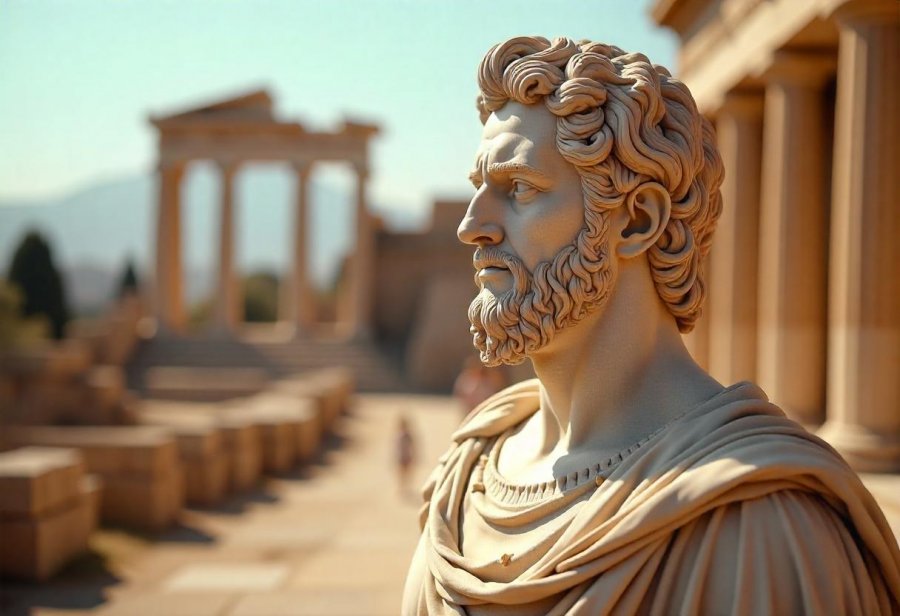
Legacy of Greatness: The Lasting Power of Alexander’s Strategies and Leadership
The enduring power of Alexander the Great’s strategies lies in their remarkable relevance across both ancient and modern contexts. His ability to blend tactical innovation with cultural sensitivity and psychological mastery creates a blueprint for leadership that continues to resonate today. This legacy demonstrates that effective conquest and influence are rooted not solely in brute force but in adaptability, insight, and the capacity to inspire loyalty and trust. Recognizing this, contemporary leaders can draw inspiration from Alexander’s example, understanding that success often depends on a willingness to learn, evolve, and connect with diverse audiences and environments.
Alexander’s capacity for swift adaptation remains one of his most compelling lessons. His campaigns show that flexibility in tactics—whether adjusting to new terrains, confronting unforeseen challenges, or shifting enemy strategies—can turn potential setbacks into opportunities for victory. Modern organizations and military forces alike benefit from this principle, embracing agility as a core strength. Leaders who cultivate this mindset, much like Alexander did with his armies, are better equipped to navigate the unpredictable landscape of today’s world, where static plans often prove insufficient in the face of rapid change.
Cultural integration stands as another pillar of his enduring influence. By skillfully blending Greek customs with local traditions, Alexander fostered loyalty and stability across his vast empire. This approach highlights that understanding and respecting diversity is more than diplomatic politeness; it’s a strategic necessity. Today’s globalized organizations thrive on inclusivity and cultural intelligence. Leaders who genuinely value different perspectives and adapt their strategies accordingly can foster innovation, build trust, and turn potential points of friction into sources of strength—just as Alexander transformed cultural differences into unifying forces.
The mastery of psychological tactics, once confined to the battlefield, now underpins many facets of strategic thinking—from military operations to corporate negotiations. Alexander’s nuanced grasp of perception—using deception, surprise, and morale-boosting measures—illustrates that influencing human psychology remains central to shaping outcomes. Modern strategists recognize that creating uncertainty, employing surprises, and fostering confidence within teams can decisively sway complex interactions. These techniques are less about manipulation and more about understanding human behavior—shaping perceptions to tilt the odds in your favor.
Leadership inspired by Alexander emphasizes the profound impact of personal engagement and authenticity. His willingness to lead from the front, sharing risks and rewards with his troops, cultivated a loyalty and camaraderie that proved decisive in uncharted territories. Today’s organizations increasingly understand that influence rooted in genuine connection, transparent communication, and a compelling shared purpose surpasses hierarchical authority. Leaders who demonstrate resilience, actively involve their teams, and articulate clear visions foster motivation and cohesion, especially during crises. Authenticity and trust become the bedrock upon which collective perseverance is built.
The strategic deployment of diverse talents and skills—exemplified by Alexander—remains a vital principle in contemporary management. His ability to recognize individual strengths and orchestrate their deployment created cohesive, motivated forces capable of overcoming formidable obstacles. Today’s practices, such as cross-functional teams and talent development initiatives, echo this approach. Leaders who identify and leverage unique capabilities within their teams foster innovation, resilience, and agility. They transform potential points of friction into sources of collective strength, much like Alexander’s mastery of uniting disparate peoples through strategic deployment.
Logistical mastery and engineering ingenuity—hallmarks of Alexander’s campaigns—highlight an often-overlooked aspect of strategic success: operational resilience. His capacity to adapt infrastructure—building siege engines, causeways, and supply lines—demonstrates that leadership involves meticulous planning, resourcefulness, and engineering innovation. In today’s world, logistical agility remains critical—whether managing global supply chains, coordinating crisis responses, or executing large-scale projects. Leaders who prioritize operational resilience and inventive infrastructure can sustain efforts over the long term, turning logistical challenges into strategic advantages. Alexander’s legacy reminds us that mastery over logistics can decisively influence outcomes, often determining victory in complex endeavors.
Finally, Alexander’s relentless ambition and visionary outlook continue to inspire. His drive to leave a lasting legacy propelled him into uncharted territory, challenging conventions and pushing boundaries. This daring mindset encourages modern leaders and organizations to think beyond incremental progress, fostering a culture of innovation and boldness. The combination of strategic flexibility, cultural intelligence, and an ambitious spirit creates a legacy that endures. It reminds us that true leadership involves inspiring others, embracing change, and pursuing transformative goals with unwavering resolve. Studying Alexander’s example encourages us to nurture resilience and daring—traits essential for making a profound, lasting impact.
In sum, the lessons of Alexander the Great’s strategies offer a timeless blueprint for effective leadership and strategic thinking. His example underscores that success depends not only on strength but also on adaptability, cultural awareness, psychological insight, and logistical mastery. These principles foster resilience and innovation, enabling leaders to navigate uncertainty with confidence. By internalizing and applying these insights, contemporary organizations and individuals can forge their own paths through complexity, leaving a legacy of influence that withstands the test of time. Alexander’s legacy reminds us that true greatness lies in the ability to learn, adapt, and inspire—an enduring truth that continues to shape the future of leadership and strategy.