




Underground street racing isn’t merely about adrenaline; it’s a clandestine culture forged through loyalty, resilience, and shared identity. These shadowy races, held in abandoned spaces and secret spots, serve as more than competitions—they cultivate brotherhood amid danger and secrecy. Racers build bonds through late-night repairs, mutual trust, and acts of sacrifice, transforming fleeting moments of speed into lifelong alliances. Despite the risks, this community’s resilience breathes life into neglected urban areas, turning chaos into a source of pride and cultural renewal. The scene’s influence extends beyond illicit thrills—intertwining craftsmanship, urban regeneration, and personal growth—challenging stereotypes of decay and disconnection. But how deep do these bonds run, and can speed truly forge unbreakable kinship? This vibrant subculture reveals a profound truth: in the shadows of the city, loyalty and shared purpose create enduring connections that transcend the race itself, proving that even amidst chaos, human kinship prevails.
Uncover the Hidden World of Underground Street Racing: A Culture of Rebellion and Community
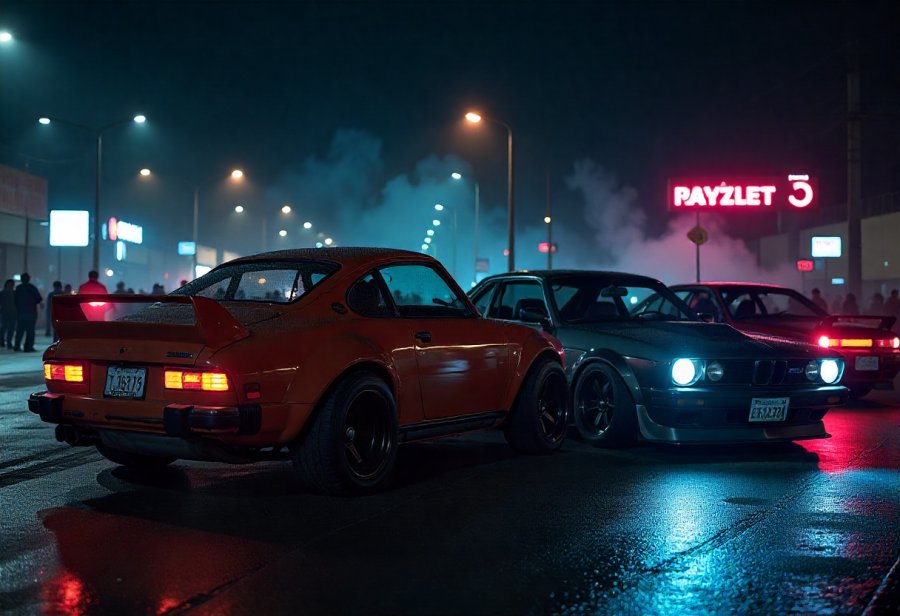
Underground street racing isn’t just about speed; it’s a vibrant subculture rooted in rebellion, creativity, and community. These races take place in the shadows of city streets, where enthusiasts gather late at night, away from the watchful eyes of law enforcement and prying crowds. They often choose secluded spots—abandoned parking lots, back alleys, or deserted industrial areas—that offer the perfect mix of seclusion and safety. Despite its illegal nature, the scene has grown into a symbol of independence, self-expression, and defiance for many young urban dwellers.
At its core, underground racing is more than just a race for the fastest car. It’s a social ritual that forges deep bonds among participants. Racers form crews based on shared passions, technical skills, and mutual trust. These relationships go beyond the asphalt, creating a sense of belonging that many say feels like family. Loyalty and respect are the currency that strengthens these ties, built through countless late-night tuning sessions, supportive gestures, and shared victories.
Vehicles are central to this culture, each modified with care to reflect personality and craftsmanship. From turbocharged engines to custom paint jobs and lightweight parts, these cars tell stories of dedication and identity. Preparing for a race is almost ritualistic—each detail meticulously tuned, every modification a badge of pride. Watching crews get their rides ready feels like witnessing a choreographed performance rooted in tradition, skill, and camaraderie.
This underground scene also acts as a mirror to urban resilience. For some neighborhoods, racing breathes life into forgotten spaces, transforming empty streets into lively hubs of energy after dark. Yet, this vitality often clashes with authorities, leading racers to organize smaller, more discreet gatherings. Their ability to adapt and maintain secrecy reflects a community that values resilience and resourcefulness amid constant threat.
Despite ongoing challenges, underground racing endures because it fulfills a core human need: connection. It offers a sense of purpose, pride, and identity that many feel is missing elsewhere. The shared rituals, symbols, and language create a continuity that links generations, turning fleeting moments of adrenaline into lasting bonds. These relationships, built on trust and loyalty, form the backbone of a culture that thrives in the shadows but remains deeply rooted in community.
In essence, underground street racing is more than a pursuit of speed; it’s a testament to human connection and the desire to belong. It’s about finding kinship in the chaos, forging friendships through shared risks and victories. Even as it operates on the fringes of legality, it showcases the power of loyalty and brotherhood—proof that some bonds run deeper than the asphalt they race on.
Foundations of Loyalty and Respect in the Street Racing Brotherhood
At the core of underground street racing lies a web of relationships built on shared passion and unwavering trust. Racers come together because they love pushing their cars to the limit, and this common drive naturally forges strong bonds. Over time, respect develops through skillful driving, technical support, and steadfast loyalty to the crew. These relationships go beyond casual friendships; they’re rooted in a mutual understanding that everyone has each other’s backs, whether during late-night races or troubleshooting complex mechanical issues.
Loyalty is the glue that holds these groups together. It’s earned through consistent support, honesty, and a willingness to stand firm in risky situations. Racers trust each other to keep secrets, share advice, and protect one another from legal trouble, creating a tight-knit community where integrity matters just as much as horsepower. Because each member’s reputation depends on the collective, loyalty becomes a vital currency that sustains the scene’s cohesion.
Respect isn’t just about winning races; it’s about recognizing each other’s skills, dedication, and fairness. A racer who demonstrates effort, honesty, and sportsmanship earns admiration and trust from their peers. This mutual respect fuels encouragement and support, reinforcing bonds that turn acquaintances into dependable allies. Even when rivalries flare or tensions rise, the foundation of respect and loyalty helps the community stay united and resilient.
Secrecy plays a crucial role in maintaining these relationships. Given the illegal and risky nature of street racing, members learn early to guard their locations, strategies, and connections carefully. Sharing information is done selectively, with an understanding that trust is fragile and must be earned. This need for discretion deepens bonds, transforming casual associations into alliances built on confidence and shared danger. The trust forged in secrecy often outlasts the races themselves, cementing lifelong friendships.
Many of these relationships originate in long-standing urban communities, where informal gatherings of car enthusiasts evolve into tight crews. Over the years, they develop unwritten codes—rules of conduct, symbols, and rituals—that set them apart from outsiders. These traditions foster a sense of belonging, linking new members to a legacy of rebellion, craftsmanship, and brotherhood. This continuity ensures that the bonds remain resilient even as new generations step into the scene.
Support within these crews extends well beyond the track. When a member faces legal trouble, injury, or personal hardship, the community’s response reveals the strength of their bonds. Acts of sacrifice—covering legal fees, helping with repairs, or offering emotional reassurance—turn fleeting encounters into lifelong friendships. This collective loyalty creates a safety net that sustains the group through chaos and risk, reinforcing a sense of kinship that endures over time.
Despite the risks and skepticism, participants insist these relationships are genuine and deep-rooted. The shared hardships, secrets, and dangers forge connections that go far beyond racing. Loyalty isn’t just a word here—it’s a way of life, woven into their daily routines and community rituals. These bonds, built on trust and mutual support, keep the underground brotherhood alive and thriving, proof that even in the shadows, true kinship can flourish.
Deep Bonds in the Shadows: How Relationships Flourish and Endure in Underground Racing
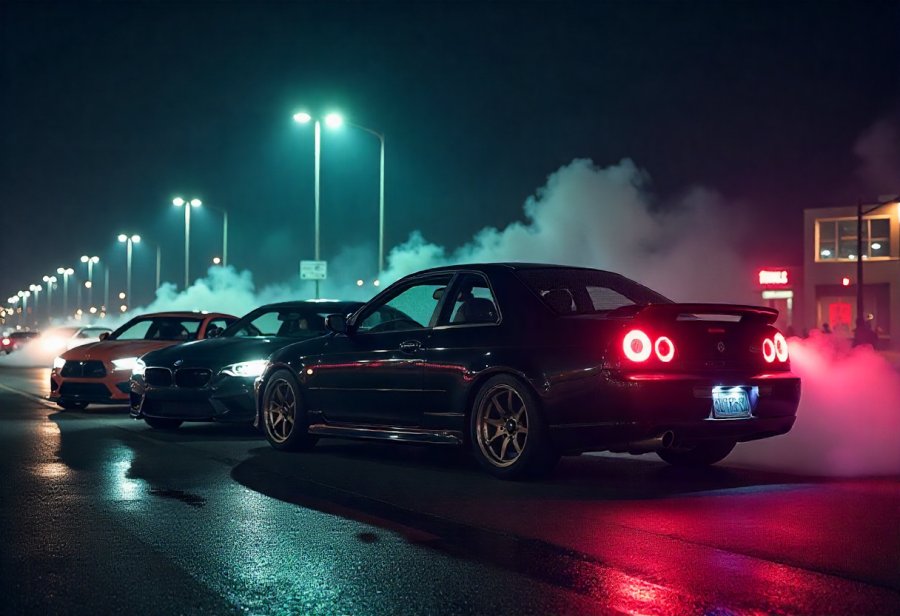
Within the underground street racing scene, relationships often deepen through shared experiences that extend far beyond just racing cars. Trust is built gradually, often cemented during late-night meetups where crews help troubleshoot technical issues or prepare for risky races. These moments of collaboration foster bonds that feel more like family—rooted in common effort, mutual reliance, and a sense of belonging that’s hard to find elsewhere. Over time, loyalty is earned through consistent support, whether it’s lending tools, sharing secrets, or standing by each other in dangerous situations, strengthening the connection with every act of trust.
Many racers describe their crews as a second home, where actions speak louder than words. Loyalty is demonstrated through acts of sacrifice—covering legal fees, helping with repairs, or offering emotional support—that turn casual acquaintances into dependable allies. The shared adrenaline of late-night runs, combined with collective efforts to tune and upgrade their cars, creates a camaraderie that becomes an unbreakable bond. This environment encourages honesty about skills and challenges, which further reinforces their resilience and unity.
Stories from the scene highlight how these relationships last long after the engines cool. Hours spent fixing a car or planning a race become moments of bonding, built on shared knowledge and mutual trust. Veteran racers often emphasize that loyalty is earned through ongoing support and willingness to risk personal safety for the group’s reputation. These acts of sacrifice and trust transform fleeting races into lifelong friendships, grounded in a shared love of speed and loyalty.
The strength of these bonds is also reinforced by a collective identity rooted in secrecy and respect. Racers understand the risks involved, guarding their locations, strategies, and connections carefully. This need for discretion makes trust even more precious—forming alliances built on confidence and shared danger. When external threats or internal disputes arise, it’s their loyalty and shared history that help them weather storms and maintain cohesion.
Many of these relationships originate in long-standing urban communities, where informal gatherings of car enthusiasts evolve into tight-knit crews. Over the years, they develop unwritten codes—rules of conduct, symbols, and rituals—that set them apart from outsiders. These traditions create a sense of belonging, linking new members to a legacy of rebellion, craftsmanship, and brotherhood that endures across generations.
Support within these crews goes beyond technical help; it’s about standing together through personal hardships. When a member faces legal trouble or injury, the community’s response reveals the depth of their loyalty. Covering legal fees, helping with repairs, or offering emotional reassurance aren’t just acts of kindness—they are acts of kinship that solidify lifelong bonds. This collective loyalty forms a safety net, ensuring that even in chaos, their bonds remain resilient and real.
Despite skepticism, many participants insist their relationships are genuine and deeply rooted. The shared hardships, secrets, and risks forge connections that transcend racing itself. Loyalty becomes a way of life, woven into their routines and rituals, creating a brotherhood that endures despite external pressures. These relationships are more than just bonds—they are a testament to the power of trust, shared purpose, and unwavering support that turn fleeting moments of speed into lifelong kinship.
Beyond Speed: The Cultural Impact and Urban Significance of Underground Racing
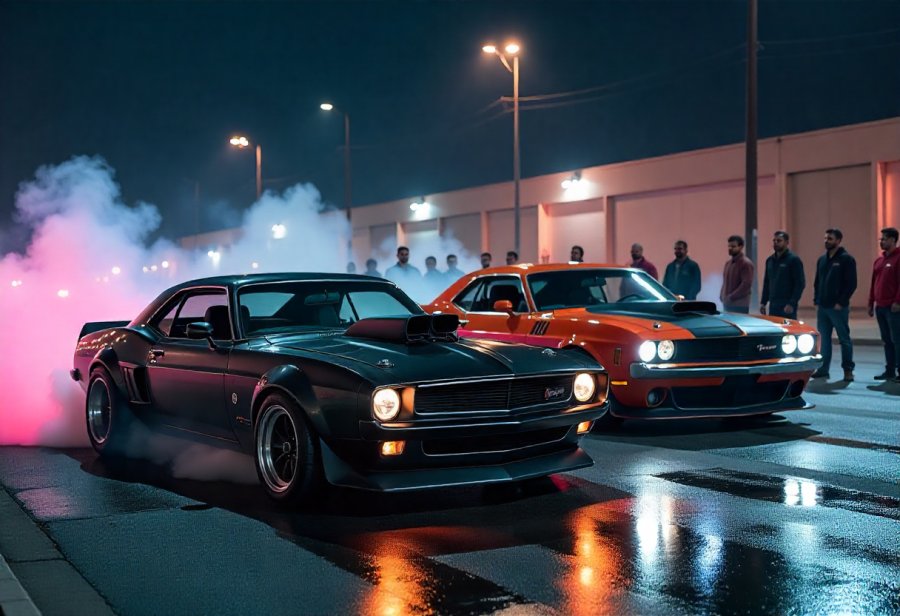
The culture of underground street racing extends far beyond the thrill of speed, shaping both individual identities and the urban landscapes they inhabit. For many participants, it offers a sense of belonging and purpose that mainstream society often doesn’t provide. These crews become like a second family, where loyalty and shared passion foster confidence and resilience. The bonds formed through late-night meets, technical support, and collective efforts to improve their cars give racers a pride that goes beyond mere performance. Their modifications—custom paint, performance upgrades, and unique styling—serve as personal expressions of identity and craftsmanship, strengthening their connection to the community.
In urban environments, underground racing can act as both a disruptive force and a catalyst for renewal. While critics see it as a safety hazard and a source of chaos, some neighborhoods experience surprising revitalization, as these clandestine gatherings bring life to neglected spaces after dark. Empty streets transform into vibrant hubs of activity, injecting energy into areas often left to decay. To navigate increasing crackdowns, racers organize smaller, more discreet events, developing signals and protocols that preserve their underground identity. This adaptability highlights how deeply embedded the scene is in city life, driven by a desire for self-expression and community amidst adversity.
The scene’s influence extends into broader perceptions of urban youth and creativity. Custom modifications and racing styles become symbols of ingenuity and pride, challenging stereotypes of urban decline and disconnection. Instead, they showcase resilience and technical skill, demonstrating that even in challenging environments, young people can carve out spaces for self-expression. Some cities are exploring ways to channel this passion into safer, more organized programs, recognizing the potential to transform risky pursuits into positive community initiatives. Such efforts aim to preserve the core values of loyalty and brotherhood while promoting safety and constructive growth.
Moreover, underground racing fosters skills and leadership that can benefit participants beyond the streets. Learning about vehicle mechanics, strategic planning, and teamwork provides valuable, transferable expertise. The shared experiences generate a sense of pride and empowerment, encouraging many to pursue paths of personal development and positive change. These activities cultivate resilience, resourcefulness, and a sense of purpose, illustrating how even illicit pursuits can contribute to individual growth and community strengthening.
This culture also impacts neighborhoods in unexpected ways, sometimes revitalizing neglected areas and sparking local pride. The energy and camaraderie of these gatherings can breathe new life into forgotten spaces, creating a sense of ownership and belonging among residents. Despite ongoing tensions with authorities, the community’s ability to adapt and maintain secrecy keeps the scene alive, reinforcing the importance of resilience and collective effort in sustaining their cultural footprint.
Recognizing the deeper social value of underground racing reveals a complex picture—one that includes conflict, creativity, and community resilience. It demonstrates that loyalty and shared purpose can forge bonds that withstand external pressures, transforming fleeting moments of adrenaline into enduring relationships. When approached responsibly, this passionate culture offers a blueprint for fostering connection and pride within urban environments, proving that even in the shadows, human ingenuity and kinship thrive.
The Enduring Power of Trust and Brotherhood: Reflections on the Underground Racing Scene
Underground street racing reveals more than just a love of speed; it uncovers a web of loyalty, shared passion, and deep-rooted community bonds that go far beyond the asphalt. The relationships formed in this shadowy world are built on trust, respect, and a collective sense of identity that can endure risks and secrecy. These bonds often turn fleeting races into lifelong friendships, offering a stability and resilience that many participants find essential. The scene’s appeal isn’t solely about adrenaline—it’s about belonging to a brotherhood that provides purpose and connection in a world that often feels isolating or hostile.
The core strength of this underground brotherhood lies in shared effort and unwavering support. Racers depend on each other not just for technical help but for emotional backing and protection from external threats, whether from law enforcement or rivals. Acts of sacrifice—helping with repairs, covering legal expenses, or simply offering reassurance—transform casual acquaintances into dependable allies and lifelong friends. These acts of loyalty and trust are what cement the bonds that keep the community thriving amid chaos and danger.
Despite the illegal and risky nature of their activities, many insist these relationships are genuine and deeply rooted. Shared hardships, secret locations, and the constant threat of exposure forge connections that transcend racing itself. Loyalty becomes a way of life, woven into their routines and rituals, creating a resilient network of kinship. These relationships endure external pressures and internal conflicts because they’re built on a foundation of mutual respect and unwavering trust, proving that even in the shadows, authentic bonds can flourish.
Looking beyond individual races, the scene’s broader cultural impact underscores resilience and ingenuity. Underground racing offers a space for self-expression and pride, challenging stereotypes of urban decay and disconnection. Modifications and style become symbols of craftsmanship and identity, inspiring a sense of achievement and belonging. In some cases, communities recognize the potential within this culture and seek ways to channel passion into safer, organized initiatives that preserve the core values of loyalty and brotherhood while promoting safety and positive growth.
This culture also fosters skills and leadership that extend beyond racing. Learning about vehicle mechanics, teamwork, and strategic planning provides valuable skills that can translate into personal and professional development. The shared experiences create a sense of empowerment, motivating many to pursue paths of growth and resilience, even within challenging environments. Underground racing, therefore, becomes more than a reckless pursuit; it’s a catalyst for personal strength and community upliftment.
In neighborhoods where this scene takes hold, it can spark unexpected revitalization by breathing life into neglected spaces. After dark, empty streets transform into vibrant hubs of camaraderie and energy, fostering local pride and ownership. Despite ongoing legal pressures, the community’s ability to adapt and maintain secrecy keeps the scene alive, reinforcing resilience and collective effort. This ongoing vitality highlights how loyalty and shared purpose can turn even the shadows into spaces of connection and renewal.
At its heart, underground street racing is a testament to human connection—proof that loyalty, shared purpose, and community can forge bonds stronger than speed itself. These relationships, rooted in trust and sacrifice, turn fleeting moments of adrenaline into enduring legacies of brotherhood. Recognizing the social fabric woven through this culture reveals a powerful truth: even in the shadows, the need for belonging and kinship remains universal, capable of transforming chaos into community and speed into lasting bonds.