




The backyard mechanic’s garage is more than a workspace—it’s a sanctuary of passion, patience, and craftsmanship where stories are written with every turn of a wrench. But what secrets lie behind this ritual of restoring vintage machines? As modern technology blends with traditional hands-on techniques, this vibrant culture continues to evolve, blending digital diagnostics, online communities, and innovative tools like 3D printing. While the core values of patience and dedication remain unchanged, enthusiasts face new challenges—sourcing authentic parts, mastering complex repairs, and adapting to emerging vehicle technologies. This ongoing journey fosters resilience, community, and sustainability, keeping the spirit of DIY automotive restoration alive. How does this space, rooted in history and driven by innovation, shape the future of craftsmanship? One thing is certain: the garage is a timeless symbol of independence and creative expression, where each project sustains a legacy of ingenuity, connecting past, present, and future.
The Garage as Your Personal Sanctuary of Passion and Craftsmanship
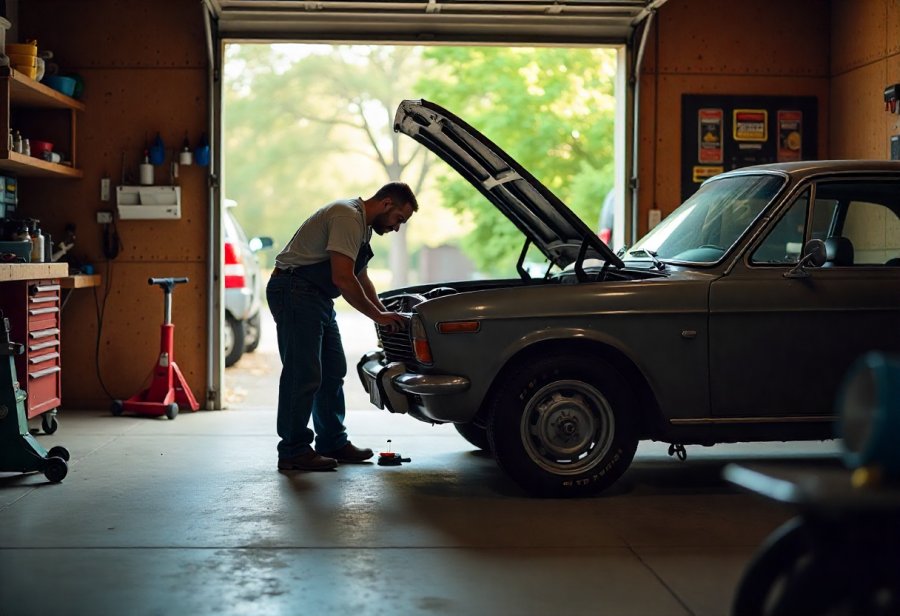
The garage isn’t just a space for parking cars or stashing tools—it’s a personal sanctuary where passion for mechanics truly comes alive. For many backyard enthusiasts, it’s a retreat from the hustle and bustle of everyday life, a place where curiosity transforms into craftsmanship. Here, every tool, every spare part, and each project reflect a deep love for machines and a desire to bring old something back to life.
This space often becomes an extension of its owner’s personality, filled with the clutter and character that only years of tinkering can create. Whether it’s a vintage car waiting patiently for restoration or an assortment of parts collected over time, the garage acts as a canvas for self-expression. It’s where ideas take shape, and raw materials are transformed through hands-on work into something meaningful.
Beyond its physical tools and projects, the garage fosters a mindset of patience and persistence. Restoring vintage machines demands a steady hand and a calm mind, as each bolt and gasket carries a story of time and history. Bringing these machines back to life becomes almost meditative—a journey of continuous learning and mastery that rewards dedication and care.
For many, the garage also offers mental clarity. The scent of oil and rubber, combined with the rhythmic sounds of tools in use, creates a calming environment that helps clear the mind. It’s a space where worries fade, focus sharpens, and inspiration flows freely. In this haven, craftsmanship and passion intertwine seamlessly, making every moment spent there a form of quiet joy.
The garage isn’t just a workshop—it’s a sanctuary of patience, creativity, and dedication. Each project written into its walls adds to a legacy of craftsmanship that spans generations. It’s a space where setbacks are simply part of the process, and every small success fuels the desire to keep going. Here, passion is the engine, and restoration becomes a meaningful journey of discovery.
Ultimately, this space embodies more than just mechanical work—it’s about connection. Connecting with machines, with history, and with oneself. It’s where stories are written with every turn of a wrench, and where the act of revival becomes a testament to patience and craftsmanship. The garage stands as a quiet witness to the enduring love for machines and the personal journeys that define every backyard mechanic’s sanctuary.
Tracing the Roots and Cultural Heartbeat of the Home Garage
The home garage has long been a cornerstone of automotive culture, serving as both a workshop and a symbol of independence. Its origins trace back to a time when cars were becoming more accessible, inspiring enthusiasts to carve out personal spaces dedicated to tinkering, learning, and customizing. Early garages were simple, functional structures—primarily utilitarian spaces designed for basic repairs. Over time, as vehicles grew more complex and the passion for personalization spread, these spaces evolved into dedicated workshops filled with organized tools, workbenches, and even lifts to facilitate underneath work. This shift reflected a desire not just to fix cars, but to elevate the craft into an art form.
As automotive technology advanced, so did the significance of the home garage. It became a sanctuary where skills could be honed, and craftsmanship celebrated. Enthusiasts began to see their garages as creative spaces—places to transform ordinary vehicles into personalized expressions of style and performance. The rise of online communities and social media further fueled this movement, turning solitary projects into collective stories shared across borders. Today, digital platforms allow backyard mechanics to exchange ideas, source rare parts, and showcase their work, creating a vibrant, interconnected culture rooted in pride and innovation.
Icons like George Barris, famous for customizing the Batmobile, helped elevate garage work into an art form that captured public imagination. Movements such as the resto-mod trend—combining vintage design with modern performance—continue this legacy, blending tradition with innovation. Grassroots hot rod clubs and restoration groups foster a sense of community, emphasizing patience, attention to detail, and craftsmanship. Restoring vintage cars isn’t just a hobby; it’s a way to preserve history, promote sustainability, and develop personal pride through meticulous work.
Throughout history, the garage has been a space of experimentation and self-reliance. It embodies a spirit of independence, where passion for machines fuels countless stories of transformation. This cultural significance persists today, even as the tools and techniques evolve. Today’s enthusiasts leverage modern diagnostics and digital resources, yet the core values of patience, dedication, and craftsmanship remain unchanged. The garage continues to be a place where history is preserved, skills are passed down, and new generations find inspiration.
In a broader sense, the garage also symbolizes resilience and community. It’s a space where old parts find new life, and where the act of restoration becomes a form of storytelling—connecting past, present, and future. The shared culture of backyard mechanics sustains itself through passion, mentorship, and a deep appreciation for vintage machines. As automotive technology moves into electric and hybrid realms, the garage’s role as a personal workshop for innovation and preservation only deepens.
Ultimately, the home garage is more than just a place to repair cars. It’s a cultural hub that celebrates craftsmanship, independence, and the love of machines. It stands as a testament to the enduring spirit of DIY enthusiasts, who see every project as an opportunity to learn, create, and honor automotive history. The garage remains a vital space where tradition meets innovation, ensuring that the legacy of backyard mechanics continues to thrive for generations to come.
Navigating Modern Trends in Vintage Machine Revival and DIY Repair
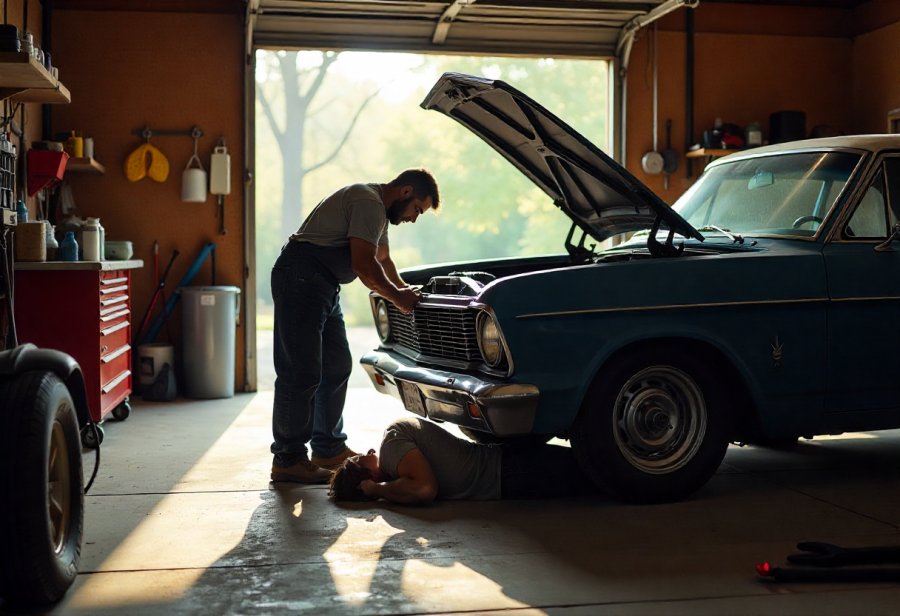
Today’s home garage restoration scene blends traditional craftsmanship with cutting-edge technology, creating a vibrant and evolving environment for vintage machine revival. While many backyard mechanics still rely on classic tools like wrenches, screwdrivers, and manuals, they now often incorporate digital diagnostic devices and electronic measurements to troubleshoot more complex issues. This combination allows enthusiasts to diagnose electrical and engine problems more accurately, speeding up repairs and making the process more satisfying.
Online communities and social media platforms have become central to shaping current practices. Forums, YouTube channels, and Facebook groups are filled with tutorials, project updates, and advice, turning solitary tinkering into a shared experience. These digital spaces make it easier for hobbyists to learn new techniques, source rare parts, and exchange ideas, fostering a sense of camaraderie that extends beyond the driveway. This connected approach keeps the scene lively, accessible, and continuously inspiring.
Restoration kits that provide ready-to-install parts along with detailed instructions are gaining popularity, simplifying sourcing authentic components. Online marketplaces have also made it easier to find vintage parts—whether it’s a rare carburetor or a trim piece—often with fast shipping directly to the garage. Meanwhile, innovative techniques like 3D printing custom parts or applying advanced protective coatings are becoming more common, allowing projects to be both unique and durable. These trends help enthusiasts push the boundaries of their restorations without sacrificing authenticity.
Despite these advances, seasoned restorers emphasize that patience and attention to detail remain essential. Many advise starting with manageable projects—like a simple tune-up or part replacement—to build confidence. Investing in quality tools and learning from reputable sources can make a noticeable difference, but passion and persistence are what truly drive success. Restoring vintage machines continues to be a craft rooted in dedication, where every challenge offers a chance to learn and improve.
Broader factors also influence this revival. Rising costs of new vehicles and parts motivate more people to restore and preserve older models. Growing environmental awareness aligns with this trend, as repairing and reusing parts reduces waste and supports sustainability. Additionally, technological innovations are lowering barriers for newcomers, while experienced enthusiasts continue to explore new techniques, ensuring that the culture remains resilient and innovative.
While resource access and skill gaps can pose challenges, these hurdles often motivate creative solutions—sourcing parts through networks or learning new skills online. This resilience keeps the scene dynamic and ensures the longevity of garage restoration. As technology continues to evolve, the passion for breathing new life into vintage machines remains strong, fostering a community dedicated to craftsmanship, sustainability, and innovation.
Engagement Strategies to Fuel Your Backyard Restoration Journey
Starting a vintage restoration project can feel daunting at first, but breaking it into small, manageable steps makes the journey more approachable. Focus on easy tasks like cleaning parts, replacing worn gaskets, or tuning the engine. Celebrating these small wins builds confidence and keeps motivation high. Patience is key—enjoy each step without rushing, and remember that progress often comes in small, steady increments.
Equipping your garage with the right tools makes all the difference. Invest in quality essentials: wrenches, screwdrivers, pliers, and safety gear. Reliable tools not only improve your work’s accuracy but also make the process safer and more enjoyable. As your skills develop, expand your collection with specialized equipment like engine hoists or diagnostic devices. Starting with the basics prevents overwhelm and keeps costs manageable.
Online communities are invaluable for staying engaged and learning from others. Forums, YouTube channels, and social media groups connect you with fellow enthusiasts eager to share tips, tutorials, and project stories. Asking questions, sharing your progress, and exchanging ideas turn a solitary hobby into a collaborative effort. These interactions boost motivation and help you troubleshoot issues more effectively.
Documenting your work enhances both engagement and organization. Take photos before, during, and after each step, creating a visual record of your progress. Keeping a simple journal or log helps track what’s working and what needs adjustment. Recognizing milestones along the way makes the process more rewarding and encourages continued effort. Seeing tangible progress reinforces your commitment and deepens your connection to each project.
Developing a mindset of patience and persistence is essential. Restoration rarely goes smoothly from start to finish; unexpected issues and sourcing rare parts can slow progress. When setbacks happen, view them as opportunities to learn rather than failures. Seek support through online groups or local meetups, and celebrate every small step forward. Over time, these experiences build not only your skills but also a deeper appreciation for the craft.
By combining practical tools, active community involvement, careful documentation, and a resilient attitude, you transform restoration from a challenge into an engaging journey. This approach makes each project more enjoyable and helps develop skills that last a lifetime. As your confidence grows, your garage becomes a true workshop—where passion fuels craftsmanship and every vintage machine gets a second chance at life.
Looking Ahead: The Future of Garage Restoration and Its Enduring Legacy
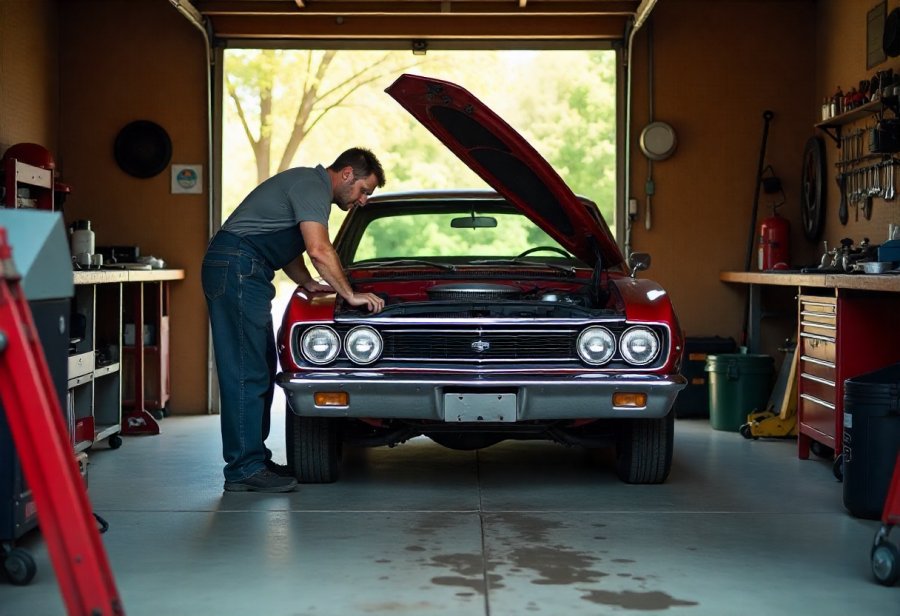
The culture of garage restoration has proven to be more than just a hobby; it’s a community rooted in passion, patience, and craftsmanship. Over the years, this tradition has shown remarkable resilience, adapting to new tools and technologies while holding onto core values. Today’s enthusiasts leverage digital diagnostics, online tutorials, and vintage parts marketplaces, which empower them to take on increasingly complex projects. This blend of traditional hands-on work with modern innovations keeps the scene vibrant and accessible, attracting newcomers while inspiring seasoned restorers to push boundaries.
Looking ahead, the future of garage restoration appears brighter than ever. Advances like 3D printing and sophisticated diagnostic tools will make sourcing parts and troubleshooting issues easier and more precise. As electric and hybrid vehicles become more common, DIYers will find new opportunities to expand their skills, merging vintage restoration with cutting-edge automotive tech. This evolution doesn’t diminish the craft; instead, it enriches it, allowing for more personalized and inventive projects that reflect individual creativity and ingenuity.
The significance of this movement extends beyond the garage. Restoring vintage machines is increasingly viewed as a sustainable practice—giving old parts a second life and reducing waste. It fosters a sense of pride in craftsmanship and a connection to automotive history, creating a bridge between past and present. The garage remains a space of continual learning, where skills are passed down, stories are shared, and community bonds are strengthened through shared passion. Online forums, local clubs, and social media keep this culture thriving, connecting enthusiasts across generations and borders.
Of course, challenges persist. Finding authentic, affordable parts can still feel like a scavenger hunt, and limited space or skills may slow progress. Yet, these obstacles often spark creativity, pushing enthusiasts to develop innovative sourcing methods or learn new techniques. The resilience and adaptability that have defined this culture for decades remain its greatest strengths. As technology advances, so too does the community’s capacity to overcome hurdles, ensuring that the spirit of restoration continues to grow and evolve.
In the end, the garage is more than a workspace—it’s a symbol of perseverance, creativity, and shared passion. Each project completed adds to a legacy that spans generations, inspiring new enthusiasts to keep the torch burning. Whether preserving history, promoting sustainability, or simply enjoying the craft, backyard mechanics are shaping a future where the love for vintage machines and hands-on craftsmanship endures, fueling a vibrant community dedicated to keeping automotive heritage alive.