




In a digital age dominated by screens and fleeting interactions, the simple act of tending a garden together reveals profound potential for healing and connection. This exploration uncovers how shared outdoor activities foster trust, patience, and emotional resilience—qualities often lost amidst modern chaos. Historically, gardening has been more than a means of sustenance; it has served as a social and spiritual balm across cultures and eras. Today, community gardens, urban farms, and therapeutic horticulture highlight how nurturing plants can reduce stress, build community, and deepen relationships. Could planting seeds and caring for soil be the antidote to digital disconnection? The future promises innovative tools and sustainable practices that make gardening accessible to all, reaffirming its timeless power to restore emotional balance and forge bonds rooted in cooperation. As we cultivate life, are we also cultivating hope, understanding, and resilience in ourselves and our communities?
Cultivating Connections: How Shared Gardening Fosters Healing in a Digital Age
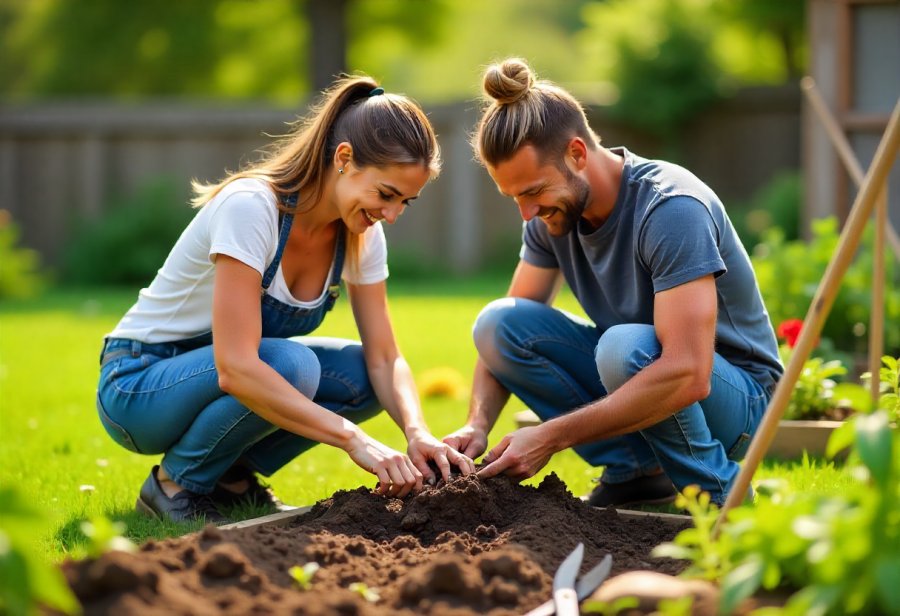
In today’s fast-moving digital world, genuine human connection can sometimes feel harder to find. We’re glued to screens—scrolling through feeds, exchanging quick messages, or hopping from one virtual meeting to the next—yet these interactions often lack the depth and presence that real face-to-face moments provide. Sharing a garden offers a simple, tangible way to break through that digital noise. When people come together outdoors to dig, plant, and care for the soil, they tap into a universal activity that naturally fosters trust, patience, and understanding.
Gardening side by side creates a space where conversations happen naturally and without pressure. It encourages quiet moments of connection—whether it’s sharing a laugh over a failed seed or exchanging tips while watering plants. These shared efforts build emotional bonds rooted in mutual care and cooperation. The satisfaction of nurturing a plant from seed to bloom becomes a metaphor for personal growth and relationship strengthening, reminding us that progress often happens through patience and consistent effort.
What makes this kind of shared gardening especially powerful is its accessibility. It doesn’t demand special skills or expensive equipment—just a willingness to connect and nurture. Simple tasks like weeding or watering become meaningful acts of partnership. The physical act of caring for plants offers a calming, meditative experience that reduces stress and encourages mindfulness. As we tend to the soil, we also tend to our emotional well-being, planting seeds of trust, compassion, and resilience along the way.
In a time when many feel overwhelmed by digital overload, reconnecting with nature and each other through gardening offers a grounding experience. It serves as a gentle reminder that authentic connection often comes through caring for something real and tangible. Working together outdoors taps into a deep human instinct—the desire to nurture life—and helps rebuild trust and emotional intimacy that can be lost amid modern chaos.
This approach to connection isn’t just about plants; it’s about planting seeds of hope and understanding. Gardening together offers a space for emotional healing, mutual support, and shared achievement. It’s a reminder that, even in a digital age, some of the most meaningful bonds are rooted in simple acts of care—acts that grow stronger with time and patience.
Roots of Healing: The Historical Role of Gardening in Human Culture
Throughout human history, gardening has served purposes far beyond providing food and shelter. From the earliest days, tending to plants was a shared activity that fostered community bonds and mutual cooperation. Early humans cleared land, planted crops, and cared for them collectively, creating routines that strengthened social ties and built trust. These activities weren’t solely about survival; they laid the foundation for emotional connections rooted in shared effort and purpose.
As civilizations advanced, gardens took on deeper cultural and spiritual meanings. In many ancient societies, gardens became symbols of harmony with nature and spaces for healing. They were used for rituals, herbal medicine, and spiritual gatherings, emphasizing that caring for plants could nurture both body and mind. These practices reinforced the idea that gardening was a form of emotional and spiritual therapy, helping individuals find balance and relief from stress.
During the Renaissance, botanical gardens emerged as centers of learning, beauty, and scientific discovery. They reflected humanity’s desire to understand and connect with the natural world on a deeper level. Hospitals and clinics began incorporating horticultural activities into their treatment programs, recognizing the therapeutic potential of gardening. The act of nurturing plants was increasingly linked to mental health, healing, and emotional well-being.
In the 19th and 20th centuries, community-led gardening initiatives gained momentum. Urban spaces were transformed with shared gardens and green spaces, turning neglected land into vibrant hubs of cooperation and resilience. These efforts highlighted how working together outdoors could forge social bonds across different backgrounds, offering a sense of belonging and collective purpose. Gardening became a practical way to support emotional health and foster social cohesion in increasingly crowded cities.
Today, the understanding of gardening as a healing activity continues to grow, backed by scientific research and social movements. Therapeutic horticulture programs and urban green spaces demonstrate how tending plants can reduce stress, improve mood, and strengthen community ties. This long history underscores that at its core, gardening is about more than growth—it’s about nurturing relationships, restoring emotional balance, and reconnecting with others through the simple act of caring for life.
Growing Together: Modern Perspectives on Gardening’s Therapeutic Power
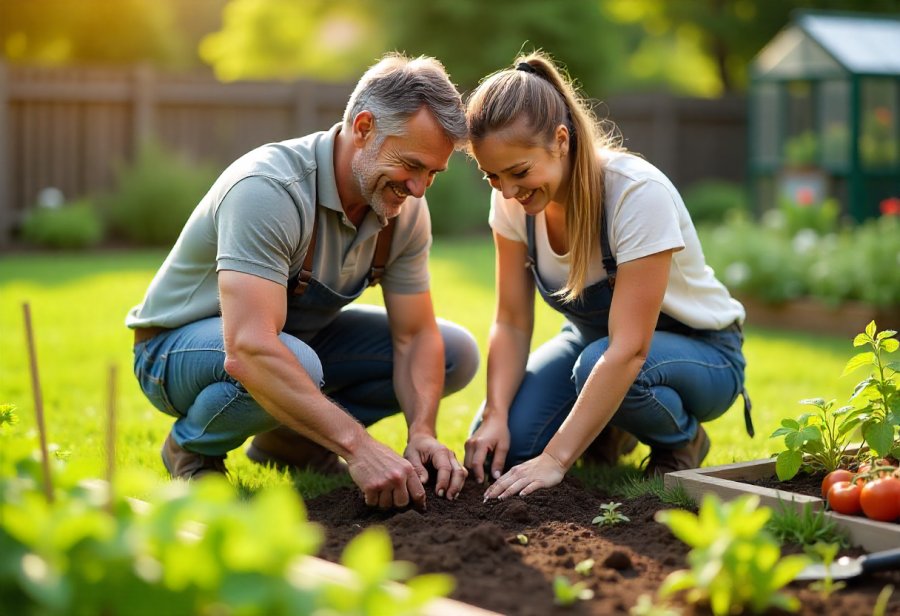
Today, gardening has taken on a new significance beyond just a leisure activity. It’s increasingly recognized as a powerful tool for boosting mental and emotional well-being. Many individuals turn to gardening as a form of outdoor therapy—an activity that encourages mindfulness, alleviates stress, and fosters a sense of calm. Community gardens and urban green spaces are popping up everywhere, offering accessible opportunities for neighbors and city residents to come together and share in nurturing life. These shared environments not only beautify neighborhoods but also promote connection, inclusion, and purpose, proving that nature’s healing touch remains relevant even amid urban hustle.
In practice, the therapeutic benefits of gardening are widely embraced. Community projects often involve teamwork and cooperation, creating a collective sense of achievement. Urban gardens transform concrete landscapes into vibrant green hubs, making nature more accessible to everyone. Hospitals and mental health centers increasingly incorporate horticultural activities into treatment plans, recognizing that caring for plants can be a form of mindfulness and emotional release. These practices help reduce anxiety, promote patience, and nurture empathy—all essential elements of emotional resilience.
Emerging trends further illustrate how gardening continues to adapt to modern social needs. Rooftop gardens, urban farms, and pocket parks turn cityscapes into lively gathering spots, fostering social bonds and environmental stewardship. Virtual gardening communities and online platforms now connect enthusiasts worldwide, allowing people to share tips, celebrate progress, and support each other’s growth. Eco-therapy, which combines gardening with mindfulness and environmental awareness, is gaining recognition as an effective mental health approach, making the benefits of tending plants more inclusive and widespread.
Organizations dedicated to garden-based healing are at the forefront of this movement. They develop resources and training to embed gardening in therapeutic settings, helping those facing trauma, depression, or anxiety find solace in nurturing life. As awareness grows, more cities and communities are creating accessible green spaces, ensuring that everyone can experience the emotional and social rewards of gardening. While challenges like limited space or mobility issues remain, innovative solutions continue to make gardening an inclusive activity that fosters healing and connection.
The future of gardening’s role in mental health looks promising. Advances in technology, such as smart tools and virtual reality, are making gardening more accessible for people with physical limitations or busy schedules. Urban infrastructure projects are integrating green spaces into city planning, emphasizing the importance of nature for emotional well-being. These developments suggest that shared gardening will become even more integral to building resilient, connected communities in the years ahead.
Overall, gardening has evolved into a vital part of modern life’s mental health toolkit. Its ability to bring people together, nurture patience, and foster emotional healing remains as strong as ever. As more individuals and organizations recognize these benefits, the act of tending to plants will continue to serve as a simple yet profound way to reconnect with ourselves and others—grounding us amid the chaos and reminding us of the deep, healing power of nature.
Planting Bonds: Practical Ways Gardening Builds Community and Supports Emotional Well-Being
Shared gardening proves to be a versatile and powerful tool for fostering emotional bonds across various settings. In therapy, horticultural programs provide a calming activity that helps individuals manage stress, develop patience, and find a sense of accomplishment. For trauma survivors, seniors, or those experiencing mental health challenges, caring for plants offers a safe space to process emotions, encouraging mindfulness and emotional resilience. The tangible act of planting and nurturing creates a meditative rhythm that promotes healing while strengthening inner stability.
In educational environments, gardens serve as living classrooms that teach responsibility, teamwork, and social skills. Children learn about plant cycles and responsibility through hands-on involvement, fostering confidence and pride as they watch their efforts grow. These shared activities encourage collaboration and problem-solving, making learning more engaging and meaningful. The garden becomes a space where emotional growth is intertwined with practical knowledge, nurturing a sense of achievement and resilience that extends beyond the garden beds.
Community gardens elevate this connection by bringing neighbors and diverse groups together to work towards a common goal. These shared spaces often become vibrant hubs of interaction, cultural exchange, and mutual support. Working side by side to cultivate vegetables, herbs, or flowers deepens trust and breaks down barriers, fostering a sense of belonging. The act of nurturing something together builds empathy and patience, forging bonds rooted in shared effort and collective care, especially in urban areas where opportunities for outdoor connection may be limited.
Getting started with shared gardening doesn’t require complicated tools or expertise. Simple activities like planting seeds, watering, or harvesting create meaningful moments of interaction. Establishing routines around these tasks encourages teamwork and communication, turning everyday chores into opportunities for connection. Whether in backyards, community plots, or balconies, choosing easy-to-grow plants like herbs or lettuce boosts confidence and keeps participants engaged. This inclusive approach underscores that gardening is accessible and beneficial for everyone, regardless of experience or space.
While shared gardening offers numerous benefits, obstacles such as limited space, mobility issues, or socioeconomic barriers can hinder participation. Overcoming these challenges involves thoughtful planning, inclusive design, and community outreach, ensuring that the healing power of gardening reaches as many people as possible. When accessible, gardening becomes more than a pastime—it transforms into a meaningful act of emotional support, community building, and resilience. By nurturing plants together, communities cultivate hope, trust, and connection that endure well beyond the last harvest.
Looking Forward: The Future of Gardening as a Path to Emotional Connection and Resilience
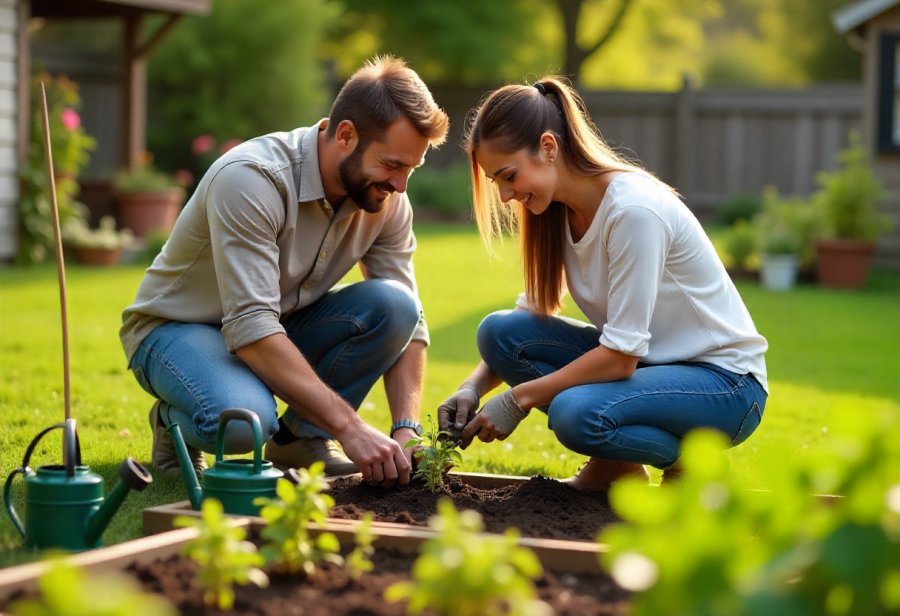
Looking ahead, the future of shared gardening holds exciting potential to deepen emotional bonds and expand its reach across diverse communities. Digital tools are making it easier for people separated by distance to collaborate on garden projects, share updates, and celebrate successes online. This virtual connection keeps the sense of community alive, proving that nurturing growth—whether in soil or in relationships—can transcend physical boundaries.
At the same time, approaches like eco-therapy and nature-based mindfulness are gaining traction as mainstream mental health strategies. Combining gardening with these practices offers a powerful way for individuals to reconnect with nature and find calm amid daily stress. As awareness of mental health issues grows, more programs will likely incorporate outdoor gardening activities, making their benefits more accessible and widespread. This integration emphasizes that tending to plants is not just about the act itself but about fostering ongoing resilience and emotional renewal.
Urban spaces are transforming into vibrant green hubs through community-led initiatives and innovative design. Rooftop gardens, urban farms, and pocket parks are turning concrete jungles into lively gathering spots where neighbors work side-by-side, cultivating food, flowers, and friendships. These green oases not only improve city environments but also foster social cohesion and shared purpose. As cities continue to prioritize green infrastructure, the act of gardening becomes a vital tool for building resilient, connected communities amid urban density.
Technological advancements promise to make gardening even more inclusive. Smart tools, apps, and virtual reality experiences will help beginners learn, plan, and engage with their gardens more easily, regardless of physical limitations or busy schedules. Such innovations can help overcome barriers like space constraints or mobility issues, ensuring that everyone can experience the emotional and social benefits of tending plants. As these tools become more accessible, gardening will increasingly serve as a universal language of connection and healing.
Looking further, environmental concerns will shape how we approach shared gardening. Growing native plants, composting, and adopting sustainable practices not only help the planet but also strengthen our bond with the land. Eco-friendly gardening fosters a shared sense of responsibility and environmental stewardship, reinforcing that caring for the earth is intertwined with caring for each other. This collective effort to nurture both nature and community will help build resilience in the face of climate challenges and social change.
Ultimately, the act of tending a garden together will remain a powerful symbol of hope and connection. As more people recognize the profound emotional and relational benefits—especially in a world still grappling with digital overload—shared gardening is poised to become an essential part of community life. It reminds us that growth, healing, and trust flourish in the soil of cooperation and care. The future is ripe with possibility for gardens to serve as anchors of emotional strength, resilience, and genuine human connection.