




Embark on the wild, humorous journey of DIY computer upgrades where tangled wires, tiny screws, and incompatible parts turn a simple enhancement into a chaotic adventure. It’s a world filled with anticipation, frustration, and unexpected laughs—where every step tests your patience and ingenuity. Despite the mess and mishaps, each mistake offers valuable lessons, transforming chaos into confidence as you learn to troubleshoot, organize, and master your hardware. Are you ready to turn technical turmoil into a satisfying accomplishment? As technology evolves, so does the future of DIY upgrades, with smarter tools, modular components, and vibrant communities making the process more accessible and less daunting. This guide not only celebrates the challenges but also reveals how embracing the chaos can turn a daunting task into a rewarding experience—empowering you to take control of your tech with skill, confidence, and a sense of humor.

Dive Into the Exciting Chaos of DIY Computer Upgrades
Upgrading your computer on your own can feel like jumping into a whirlwind of excitement and chaos all at once. One minute, you’re imagining how much faster your machine will run or how much more storage you’ll have, and the next, you’re knee-deep in a mess of cables, tiny screws, and manuals that seem written in a foreign language. It’s a mix of anticipation and uncertainty—like trying to solve a puzzle where you’re not quite sure what piece goes where. Yet, despite the disorder, there’s a strange satisfaction in taking control of your own tech.
Many choose DIY upgrades because they want more say in how their computers perform. Instead of handing over their machine to a technician or paying someone else, doing it yourself means full customization—adding more RAM, swapping out the graphics card, or installing a bigger hard drive. This hands-on approach can be deeply rewarding, giving you a sense of achievement that’s hard to match. Plus, it often saves money and offers a chance to learn new skills, even if that means a few trial-and-error moments along the way.
Of course, the reality rarely matches the smooth, easy process we hope for. What starts as a straightforward swap can quickly turn into a comedy of errors. Cables twist into knots; screws roll off the desk and vanish; components don’t fit quite right. Sometimes, a simple oversight—like forgetting to connect a power cable—leaves your PC silent or unresponsive. Troubleshooting becomes part of the journey, and hours can be spent trying to figure out if a part is incompatible or if something was installed incorrectly.
The physical chaos can be just as overwhelming. Screws scatter across the workspace, tools get misplaced in the clutter, and cables form a tangled web that seems impossible to untangle. It’s easy to feel overwhelmed by the tiny parts and confusing instructions, which often assume you’re a seasoned techie. But amid the mess, humor often emerges—dropped screws, static shocks, and misfitted parts become stories you’ll laugh about later, proof that chaos is part of the adventure.
Despite all the hurdles, many tech enthusiasts find this process addictive. There’s something compelling about taking a machine apart, understanding how it works, and then putting it back together better than before. Each mishap becomes a lesson learned, and each success a boost of confidence. Upgrading your PC yourself isn’t just about boosting performance; it’s about embracing the challenge, with all its twists and turns, and ending up with a machine that’s uniquely yours.
The Hilarious and Unpredictable World of Hardware Makeovers
Upgrading your hardware without professional help often turns into a comedy of errors. You might carefully install a new graphics card, only to realize you forgot to remove the old one first, turning what should have been a quick swap into a frustrating wrestle. Cables twist and knot into what looks more like spaghetti than organized wiring, making it a challenge just to trace one wire. These tangled messes are common, and they leave you wondering how such a simple task can become a full-blown puzzle.
Compatibility issues are another frequent source of chaos. A sleek new SSD might not be supported by your motherboard, or your power supply might struggle to handle a high-end GPU. Hardware often demands specific sockets or connectors, and figuring out what fits can involve hours of troubleshooting, searching forums, or watching tutorials. Suddenly, what seemed like a straightforward upgrade becomes a prolonged game of trial and error.
Troubleshooting on your own can quickly escalate into a series of mishaps. You might spend ages reseating RAM modules only to realize they’re in the wrong slots, or power up to find your system silent because a cable wasn’t reconnected. Sometimes, a loose connector or a dropped screw causes the entire system to crash, turning a simple upgrade into a mini disaster. Static shocks or accidental drops only add to the chaos, making the process more unpredictable and stressful.
Cables are often the biggest culprits. They snake through your case in a tangled web, and tracing a single wire can feel like decoding a secret message. The messiness not only looks bad but also makes troubleshooting harder, as it’s tough to tell which cable goes where. Organizing as you go—using zip ties, labels, or Velcro—can save hours later and prevent you from accidentally unplugging the wrong wire, which can send you back to square one.
Despite the chaos, most DIYers learn to adapt and even laugh at their mistakes. Making errors, dropping screws, or getting shocked by static shocks becomes part of the process. Over time, these experiences teach patience and problem-solving, turning chaos into a form of messy fun. When you finally power up your upgraded machine and see it running better, the frustration melts away, replaced by a sense of accomplishment.
In the end, tackling hardware upgrades on your own means embracing the unpredictability and accepting that chaos is part of the journey. It’s messy, it’s frustrating, but it’s also rewarding. With each mistake, you gain more confidence and understanding—making the next upgrade a little smoother. The key is to stay patient, organized, and ready to laugh at the chaos, because that’s where the real learning happens.
Mastering the Art of Navigating Your Upgrade Journey
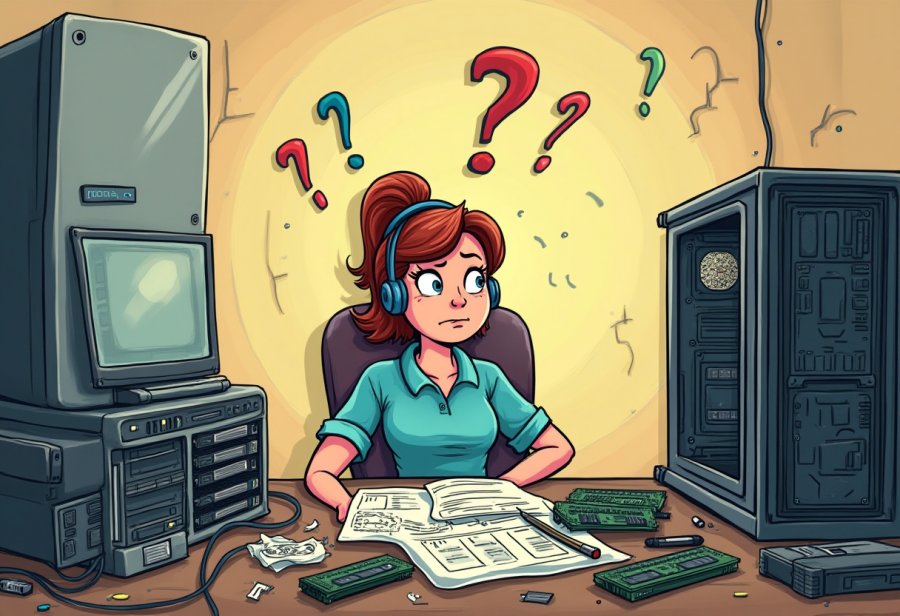
Upgrading your computer amidst the chaos might seem daunting at first, but breaking the process into clear, manageable steps can make all the difference. Start by doing some quick research: double-check that your new parts are compatible with your existing setup. Confirm socket types, maximum RAM capacities, and physical dimensions to avoid surprises later. This upfront check can save hours of frustration and prevent costly mistakes.
Next, prepare your workspace. Clear a large, static-free area with good lighting, and gather all your tools—screwdrivers, thermal paste, anti-static wristbands—in one spot. Having everything ready means you won’t be scrambling mid-project, which often leads to mistakes or missed steps. A tidy, organized space helps keep the chaos manageable and your mind focused.
Before opening your case, shut down your PC completely, unplug all cables, and ground yourself to prevent static damage. Carefully remove the side panel to expose the internal components. When disconnecting cables, do so systematically, and consider labeling each wire with masking tape or small tags. This makes reassembly straightforward and prevents mixing up connections, especially when dealing with multiple similar cables.
As you install new parts, follow the manufacturer’s instructions closely. Gently press RAM sticks into their slots until the clips click, and ensure drives are connected securely. Take your time with each step, checking every connection and fitting. Avoid forcing anything—patience is your best tool. If you encounter resistance, stop and reassess; forcing components can cause damage or misalignment.
Cable management is often the most chaotic part of upgrades. Tend to it early by organizing wires with zip ties or Velcro strips as you go. This prevents tangled messes that make troubleshooting later a nightmare. Keep screws in small containers and label them if needed. An orderly workspace reduces the risk of dropping tiny parts or accidentally unplugging the wrong cable.
Once everything is installed and double-checked, reconnect all cables and power up the system. If it doesn’t start or shows errors, revisit your connections, verify component compatibility, and consult online guides or forums for advice. Often, a loose cable or a missed step is the culprit. Troubleshoot systematically, stay patient, and remember that setbacks are part of the process.
Approaching each problem methodically turns chaos into clarity. Keep your cool, review each connection, and don’t hesitate to seek help online if needed. With a steady hand and organized approach, what once seemed overwhelming becomes manageable. When the system finally boots up smoothly and performs better, the effort feels worth every bit of the chaos you navigated.
Expert Tips and Lessons to Tame the Upgrade Chaos
To keep your DIY upgrade from turning into a chaotic mess, planning ahead is crucial. Before you even pick up a screwdriver, double-check that all your components are compatible with your existing setup. Verify socket types, maximum RAM capacities, and physical dimensions to avoid surprises later. Spending a few moments on this upfront saves hours of frustration and prevents costly mistakes down the line.
Having a well-organized workspace makes a big difference. Clear a large, static-free area where you can lay out your parts, tools, and cables without clutter. Gather everything you’ll need—screwdrivers, thermal paste, anti-static wristbands—so you’re not scrambling mid-project. An orderly space helps keep chaos at bay and keeps you focused on each step rather than chasing lost screws or tangled wires.
Labelting cables and screws as you disconnect them can save you headaches during reassembly. Use masking tape or small tags to mark each wire, especially if you’re dealing with multiple connectors. This small step prevents confusion and speeds up the process, making it easier to reconnect everything correctly. It might seem tedious initially, but it pays off by reducing guesswork and accidental disconnections later.
Patience is your best friend during upgrades. Rushing often leads to mistakes—stripped screws, misfitted parts, or forgotten connections. Take your time with each step, handle components gently, and double-check your work before proceeding. If something doesn’t seem to fit or work as expected, pause and reassess rather than forcing it. A careful, deliberate approach minimizes errors and protects your hardware.
Handling delicate parts like the motherboard or CPU requires extra care. Always hold these components by their edges, avoiding contact with pins or circuits. Use anti-static measures—ground yourself or wear a wristband—to prevent static shocks that could damage sensitive electronics. These small precautions save you hours of troubleshooting and costly replacements, ensuring your upgrade stays smooth and safe.
When problems arise, approach them systematically. Check all connections, verify component compatibility, and consult online guides or forums for advice. Often, a loose cable or overlooked step is the culprit. Keeping your cool, troubleshooting step-by-step, and being willing to seek help turn setbacks into learning opportunities. With patience and organization, you’ll navigate chaos more easily, making each upgrade a step toward becoming more confident in your DIY skills.
Embracing the Future of DIY PC Upgrades with Confidence
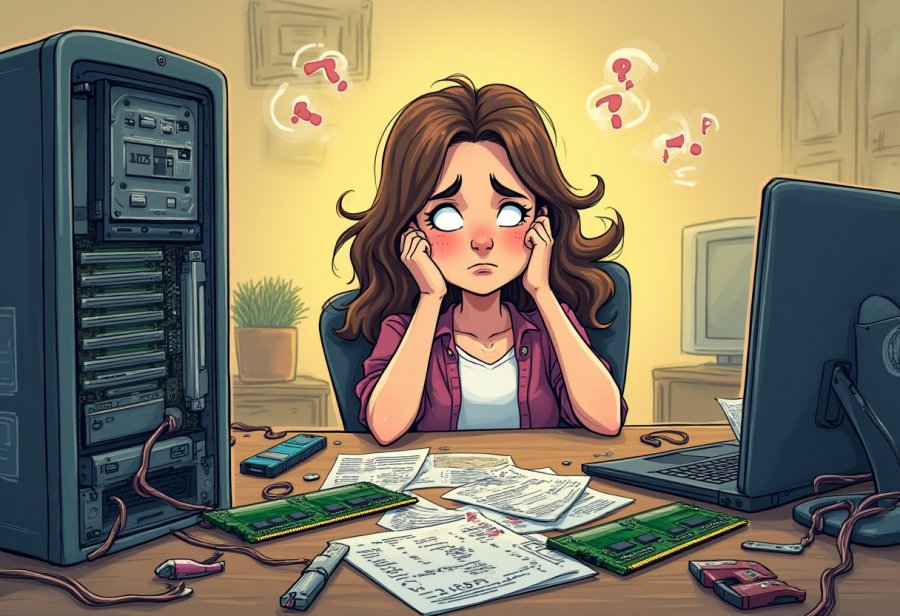
The future of DIY computer upgrades is brighter and more accessible than ever. Advances in software tools are making compatibility checks, diagnostics, and troubleshooting smoother and faster. Instead of second-guessing whether a new graphics card will fit or if your power supply can handle an upgrade, you can now rely on intelligent apps that do much of the heavy lifting. These programs analyze your system and suggest compatible parts, reducing the guesswork and messy trial-and-error that often accompanies upgrades.
Community resources continue to grow in both size and value. Online forums, social media groups, and dedicated tech communities like Reddit’s r/buildapc are more vibrant and helpful than ever. They’re filled with real-world advice, shared experiences, and troubleshooting tips that save hours of frustration. Watching tutorial videos or participating in live Q&As means you’re no longer tackling upgrades alone—you’re part of a collective that makes the process less intimidating and more fun.
Hardware design itself is evolving toward greater modularity, which could revolutionize DIY upgrades. Components are increasingly built to be compatible across different systems, making swaps simpler and more straightforward. Imagine upgrading your RAM or SSD without wrestling with tangled cables or worrying about fitment issues. This shift toward plug-and-play parts promises to cut down on the chaos—reducing the mess and stress that often come with hardware upgrades.
Staying informed about upcoming trends requires curiosity and engagement. Tech blogs, industry newsletters, and YouTube channels dedicated to PC building are excellent sources for new ideas and updates. Following trusted reviewers and insiders gives you early insights into upcoming hardware releases and best practices, helping you plan future upgrades more confidently. This proactive approach not only keeps chaos at bay but also ensures your system stays relevant and powerful.
Learning from online communities extends beyond troubleshooting. These groups often share tips on avoiding common pitfalls, recommend the best tools, and organize group buys or meetups. Connecting with other enthusiasts transforms the solitary, chaotic upgrade into a shared adventure. Their collective wisdom turns what could be a stressful mess into an opportunity for growth and camaraderie, making each project more enjoyable.
As technology continues to evolve, the once-daunting web of tangled wires and compatibility worries is gradually giving way to streamlined, user-friendly systems. Smarter tools, modular hardware, and supportive communities are making DIY upgrades more accessible—even for beginners. The barriers that once made upgrading feel like a chaotic puzzle are being dismantled, replaced by intuitive processes that invite more people to join in.
To thrive in this evolving landscape, staying curious and open to learning is key. Experimenting with new tools, asking questions online, and sharing your experiences help you develop confidence and skills. Each upgrade becomes less about chaos and more about discovery—turning a technical challenge into an exciting opportunity to master your machine.
In the end, the future of DIY upgrades promises a more seamless, less stressful experience. With the right resources, tools, and mindset, you’ll be able to navigate hardware improvements with ease and even enjoy the process. Upgrading your PC won’t just be about fixing or boosting performance; it will be about embracing the journey and the satisfaction of taking control of your tech, one step at a time.