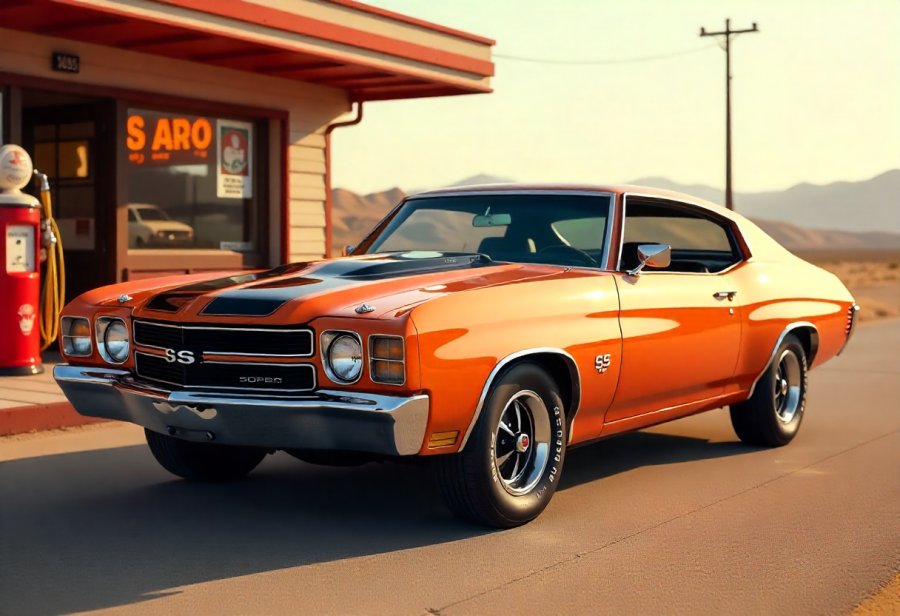




The Ford Mustang stands as a symbol of American muscle, freedom, and rebellion—yet what truly makes this iconic car a timeless legend? From its debut in 1964 to today’s high-performance models, the Mustang has evolved while maintaining its core spirit of individuality and adventure. Its striking design, roaring engines, and cultural significance have cemented its place in movies, music, and media, inspiring generations with ideals of independence and resilience. Beyond the road, it fosters a passionate community of enthusiasts who preserve its legacy through restorations and collections, fueling its mythos. But how does a car embody more than speed—becoming a cultural icon that influences industry standards and embodies the American Dream? The Mustang’s history is a testament to innovation, passion, and a relentless pursuit of freedom, ensuring it endures as more than just a vehicle—it’s a living legend that continues to inspire and thrill.
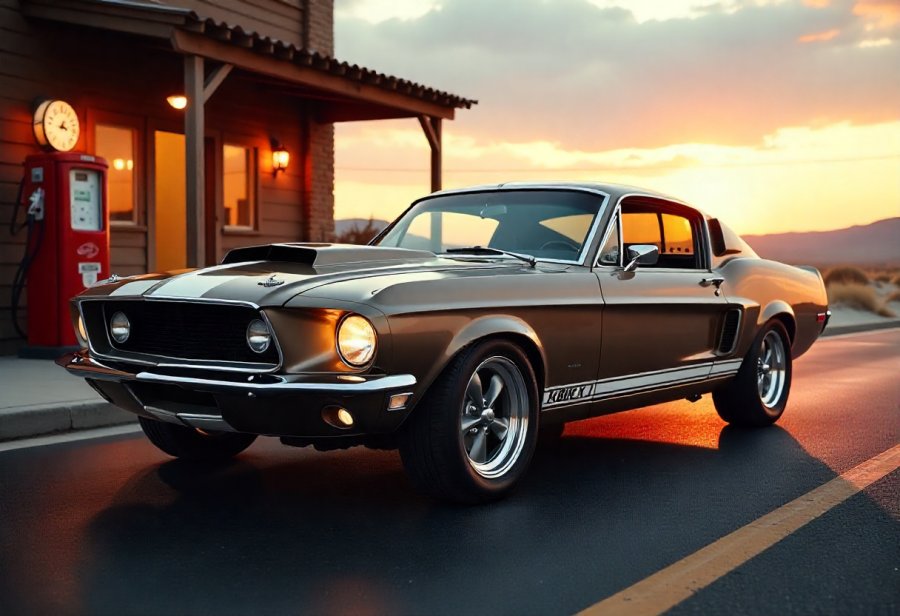
The Mustang’s Enduring Legacy: A Symbol of American Freedom and Performance
Few cars have managed to capture the spirit of American freedom and performance quite like the Ford Mustang. Since its debut in 1964, it has transcended its role as just a mode of transportation to become a cultural icon that embodies rebellion, adventure, and the thrill of the open road. The Mustang’s distinctive design, roaring engines, and bold presence have made it a symbol of American ingenuity and resilience, resonating with drivers across generations.
What makes the Mustang truly special is its ability to evoke a sense of individuality and freedom. Its sleek, aggressive lines—like the long hood and short rear deck—are more than aesthetic choices; they reflect a rebellious spirit that refuses to conform. Whether cruising down highways or tearing up racetracks, the Mustang offers an experience that feels both nostalgic and cutting-edge, blending timeless style with modern performance.
Its history runs deep, rooted in the muscle car era and shaped by decades of innovation. From its early days as a youthful symbol of rebellion to today’s high-performance models, the Mustang has continuously evolved while staying true to its core identity. It’s more than just a car; it’s a reflection of American values—speed, independence, and the pursuit of excitement—that have kept its legacy alive for over half a century.
The Mustang’s enduring appeal lies in its ability to balance classic design elements with technological advancements. Its iconic silhouette and performance capabilities continue to attract enthusiasts and newcomers alike. As it moves forward, the Mustang remains a powerful reminder of what makes American cars legendary: their capacity to inspire, to push boundaries, and to embody the spirit of freedom that defines the open road.
From Debut to Icon: The History and Evolution of the Ford Mustang
The Ford Mustang made its debut in 1964, instantly transforming the landscape of American automobiles. Ford’s bold move was to craft a car that combined sporty performance with everyday practicality, making it accessible to a wider audience. Its distinctive design, characterized by a long hood and short rear deck, set it apart from other models and defined the muscle car aesthetic. The Mustang wasn’t just about looks; it was built for fun and freedom, capturing the adventurous spirit of the 1960s.
From the very beginning, the Mustang resonated with young drivers and car enthusiasts alike. Ford marketing branded it a “pony car,” emphasizing its sporty yet affordable appeal. On launch day, over 22,000 units sold, signaling an immediate hit that would influence automotive culture for decades. Its popularity was driven by its promise of performance and style, resonating with a generation eager for self-expression and independence.
Throughout the years, the Mustang evolved through multiple generations, each bringing new features and design refinements. The late 1960s and early 1970s saw increased power and a more aggressive stance, reflecting a demand for higher performance. However, the oil crisis and stricter emissions standards in the 1970s slowed muscle car momentum, prompting Ford to adapt with lighter, more efficient models. Despite these shifts, the Mustang remained a symbol of American muscle, constantly reinventing itself without losing its core identity.
The 1980s and 1990s brought further modernization, integrating advanced technology and safety features while maintaining the car’s sporty appeal. The 2005 redesign paid homage to its roots, reconnecting with the classic muscle car aesthetic and sparking renewed interest. This blend of nostalgia and innovation helped cement the Mustang’s status as a cultural icon, appealing to both loyal fans and new enthusiasts.
Today, the Mustang continues to adapt to automotive trends, offering turbocharged four-cylinder engines alongside powerful V8s. Its design remains rooted in its rich heritage, with signature elements like the pony grille and sleek profile. Yet, modern models incorporate cutting-edge technology and performance enhancements, ensuring it stays relevant in a competitive market. Its journey reflects a constant balancing act—honoring tradition while embracing innovation.
The history of the Mustang mirrors America’s evolving attitudes toward performance, design, and freedom. From its beginnings as a youthful rebellion symbol to a modern performance machine, it has consistently pushed boundaries. The car’s legacy is rooted in a spirit of adventure and independence, inspiring generations to pursue their passions and embrace their individuality.
This legacy isn’t just about the car itself; it’s about the cultural movement it ignited. The Mustang became a symbol of American resilience, freedom, and the desire to break free from convention. Its influence extended beyond the road into movies, music, and media, shaping the ideals of rebellion and adventure that define American identity.
In essence, the Mustang’s evolution tells a story of innovation, passion, and cultural significance. It has weathered changing market conditions and societal shifts, always emerging as a symbol of performance and independence. Its enduring legacy continues to inspire new generations, making it not just a car, but a true American legend.
Design and Power: Crafting an Iconic Blend of Style and Performance
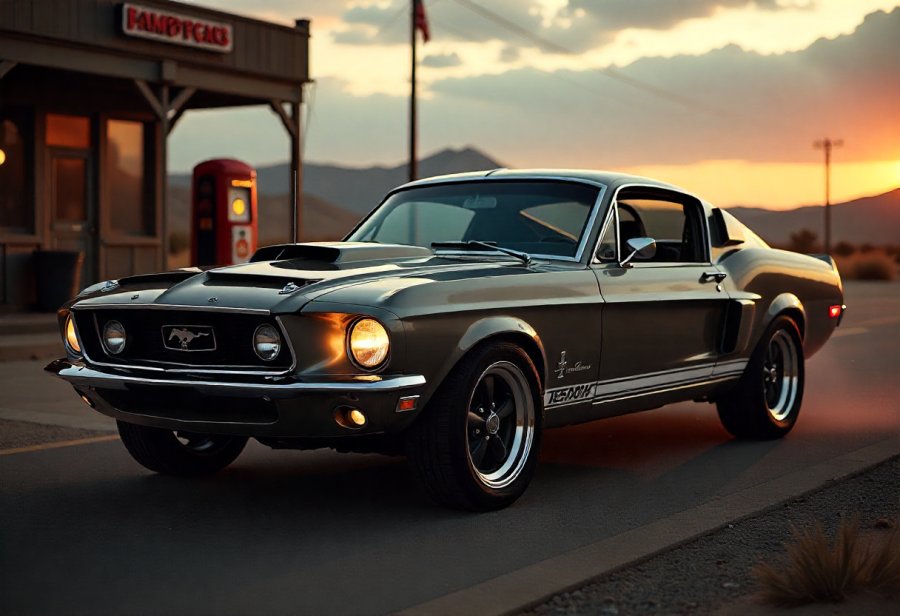
The Ford Mustang’s design is instantly recognizable and has become a hallmark of American muscle cars. Its signature front grille, often featuring the iconic running horse emblem, immediately signals its identity as a true performance vehicle. The sleek, flowing lines of its body create an aerodynamic silhouette that suggests speed and agility, even when the car is at rest. The long hood paired with a short rear deck embodies the classic proportions that give the Mustang its commanding presence on any road.
Every detail on the Mustang’s body is crafted to communicate strength and dynamism. Sculpted side panels, aggressive front fascias, and bold character lines work in harmony to produce a look that balances muscle car tradition with modern aesthetics. The distinctive rear taillights and aerodynamic rear spoiler not only add to its sporty stance but also serve functional purposes—improving airflow and stability at high speeds. These design elements aren’t just superficial; they enhance performance and reinforce its bold character.
Performance is woven into every aspect of the Mustang’s design. Its engine lineup has expanded over the years, from turbocharged four-cylinders to thunderous V8s capable of producing over 700 horsepower in high-performance variants like the Shelby GT500. Modern models can accelerate from zero to 60 mph in a matter of seconds, delivering adrenaline with every drive. Handling is equally impressive, thanks to advanced suspension systems, limited-slip differentials, and precise steering that give drivers confidence when pushing the car through curves or at high speeds.
What makes the Mustang truly iconic is how its design and performance elements complement each other seamlessly. The aggressive styling cues—such as hood vents and aerodynamic diffusers—not only look fierce but also serve to improve cooling, airflow, and stability. Every performance feature, from the exhaust note to the aerodynamic accents, is engineered to elevate the driving experience. This integration of form and function ensures the Mustang isn’t just a visual statement but a thoroughly engineered machine built for excitement.
Beyond technical features, the Mustang’s aesthetic embodies a spirit of rebellion and independence. Its muscular contours and bold stance symbolize freedom and a fearless attitude. Whether cruising city streets or conquering racetracks, the Mustang commands attention and respect. Its visual presence is more than just attractive; it’s a declaration that performance and style are inseparable in defining what a muscle car should be.
Timeless yet modern, the Mustang’s design continues to inspire admiration and desire. While rooted in its muscle car heritage, it incorporates cutting-edge technology and performance upgrades that keep it relevant. Its classic elements—like the signature pony grille and sleek profile—are complemented by modern touches, ensuring the car appeals to both longtime enthusiasts and a new generation of drivers seeking excitement and style in one package.
Ultimately, the Mustang’s enduring appeal lies in its ability to blend iconic design with high-performance engineering effortlessly. Its striking look, born from decades of muscle car tradition, turns heads wherever it goes. Meanwhile, its advanced features ensure it performs at the highest level, creating a perfect harmony of aesthetics and power. That balance is what sustains its status as a true American automotive icon—timeless, exhilarating, and forever evolving.
Cultural Icon: How the Mustang Shaped American Identity and Media
The Ford Mustang’s influence extends far beyond the realm of automobiles; it has become a powerful symbol embedded in American culture. Its striking design and rebellious spirit have helped craft an identity rooted in ideals like freedom, independence, and the pursuit of adventure. Over the decades, the Mustang has consistently represented more than just speed—it embodies the American dream of breaking boundaries and embracing individuality. Its presence in movies, music, and media has played a key role in cementing its legendary status, turning it into a cultural icon that resonates across generations.
Iconic film moments, like Steve McQueen’s legendary chase scene in “Bullitt,” showcase the Mustang’s association with daring and resilience. Films such as “Gone in 60 Seconds” and “Ford v Ferrari” have further elevated its reputation, illustrating the car’s performance and adventurous personality. These cinematic portrayals do more than entertain—they reinforce the Mustang’s image as a symbol of speed, guts, and American ingenuity. In music and advertising, the Mustang often appears as a symbol of youthful rebellion and personal freedom, inspiring countless songs, commercials, and stories that celebrate living boldly.
Beyond the screens and stage, the Mustang has fostered a passionate community of enthusiasts and collectors who see it as more than a vehicle—it’s a lifestyle and a piece of history. Classic models are treasured as family heirlooms, restored with care to preserve their authenticity and legacy. Car clubs and shows dedicated to the Mustang create spaces where fans share stories, celebrate craftsmanship, and connect through a shared admiration for its cultural significance. This community sustains the mythos of the Mustang, keeping its spirit alive for new generations.
The impact of the Mustang also extends into the automotive industry itself. Its success set a new standard for style, performance, and affordability, inspiring competitors to develop their own muscle cars. The Mustang’s blend of design and power helped ignite a wave of innovation in the muscle car era, pushing the industry toward higher standards and more daring engineering. Today’s high-performance models continue to echo that legacy, proving that the Mustang’s influence persists in shaping automotive trends and performance benchmarks.
In essence, the Mustang’s cultural significance is woven into the fabric of American identity. It symbolizes the drive for freedom, the passion for pushing limits, and the spirit of adventure that defines the nation. As it continues to inspire movies, music, and enthusiasts alike, the Mustang remains a living icon—more than just a car, it’s a statement of resilience and independence that endures across generations.
A Living Legend: The Mustang’s Impact on Enthusiasts and the Automotive Industry
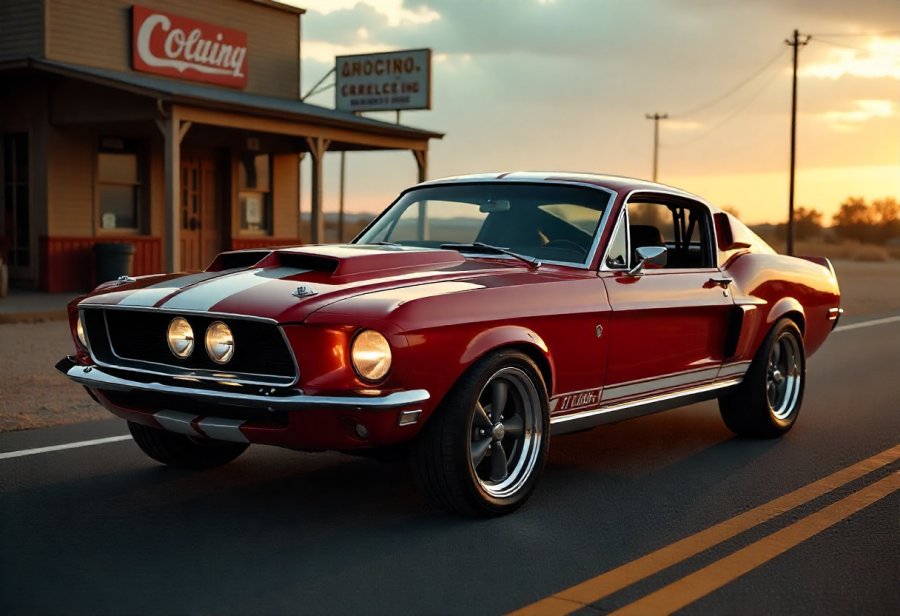
The Ford Mustang’s influence extends well beyond its initial design and performance, shaping the passions and pursuits of car enthusiasts and collectors alike. For many, owning a Mustang is more than just possessing a vehicle; it’s about connecting to a legacy of innovation, rebellion, and American craftsmanship. Restored vintage models often become prized possessions, passed down through generations or showcased at car shows that celebrate their historical significance. These gatherings foster a shared sense of pride and camaraderie, keeping the Mustang’s story alive through stories, restorations, and community bonds.
The collector’s market continually elevates the Mustang’s status, with rare models fetching impressive prices at auction. Restoring these cars isn’t just a hobby—it’s a way to preserve a piece of American automotive history. Enthusiasts pour time and resources into maintaining authenticity, ensuring that the classic details and performance standards remain intact. This dedication safeguards the Mustang’s cultural integrity and reinforces its status as a symbol of American muscle and performance.
The Mustang’s impact also ripples through the automotive industry, setting a benchmark for style, power, and affordability. Its success prompted competitors to develop their own performance cars, igniting a wave of muscle car innovation that defined an era. The Mustang’s blend of iconic design and raw performance pushed the industry toward higher standards, inspiring technological advances and new engineering feats that continue to influence car development today.
Beyond technical achievements, the Mustang has become a branding icon, embodying ideals of freedom, independence, and adrenaline. Its silhouette and performance promise serve as archetypes in marketing, creating emotional connections that transcend mere transportation. Each new model pays homage to its roots while pushing forward into modernity, ensuring its relevance across generations. This ongoing evolution keeps the Mustang at the forefront of automotive culture, inspiring new enthusiasts to embrace its spirit.
For many drivers, owning a Mustang symbolizes more than speed; it’s an act of rebellion, a celebration of adventure, and a declaration of personal independence. Whether cruising city streets or conquering open highways, owners feel a deep connection to a legacy that champions pushing boundaries and living boldly. This emotional bond sustains the Mustang’s legacy as a symbol of resilience and freedom, resonating across ages and backgrounds.
The Mustang’s influence is also evident in popular media, where it continues to inspire stories of daring and resilience. Films, music, and advertising frequently feature the car as a symbol of youthful rebellion and American ingenuity. Its presence in these stories reinforces its status as a cultural icon, inspiring new generations to see the Mustang as more than just a vehicle—it’s a symbol of possibility and dreams realized.
As the automotive landscape evolves, the Mustang remains a living testament to innovation and tradition. It continually adapts, incorporating new technologies while honoring its heritage. Its enduring legacy is built on an unbreakable bond with those who see it as more than a car—it’s a symbol of the American spirit: ever adventurous, forever inspiring.