




In a rapidly evolving business landscape, the key to staying competitive lies in seamless, customizable communication solutions. Grandstream’s innovative telephony devices, especially the versatile GRP series IP phones, promise to transform your network with easy deployment, centralized management, and robust security features. But how do you harness these tools effectively to boost efficiency and scalability? This preview explores how tailored VoIP solutions, supported by intuitive platforms like GDMS, can streamline workflows, enhance collaboration, and adapt to your organization’s growth. Whether upgrading existing systems or building new networks, understanding device options, deployment strategies, and security measures is essential. Are you prepared to unlock the full potential of digital telephony and redefine your communication infrastructure? Dive into proven strategies and discover how Grandstream can turn complex deployment challenges into strategic advantages for your business’s future.
Unlocking Business Edge with Customizable Telephony Solutions
In today’s fast-moving business environment, clear and adaptable communication is more than just a convenience — it’s a competitive edge. Companies that can quickly tailor their phone systems to meet specific needs often find themselves more agile, responsive, and efficient. Whether supporting remote teams, managing multiple locations, or delivering top-notch customer service, having a communication setup that fits perfectly with your operations makes all the difference.
This is where customizable telephony solutions come into play. Unlike traditional landlines with limited features, modern systems built on Voice over Internet Protocol (VoIP) technology offer a new level of flexibility. They allow businesses to design communication networks that are not only scalable but also deeply aligned with their workflows. From call routing and voicemail management to advanced access controls, these solutions enable you to create a personalized communication environment that adapts as your business evolves.
The shift to digital telephony isn’t just about adding features; it’s about transforming how organizations connect. Today’s systems support high-definition voice, video calls, instant messaging, and integration with other collaboration tools, all within a single platform. This integration streamlines internal workflows and enhances customer interactions, making your operations more seamless and responsive. With the ability to customize every element, businesses can optimize their communication channels for maximum efficiency.
Choosing the right solutions also means embracing flexibility in deployment. On-premises setups, cloud-managed systems, or hybrid models each offer unique advantages, depending on your security needs, budget, and operational complexity. A tailored approach ensures that your communication network is not only powerful but also manageable, secure, and ready for future growth. As companies increasingly rely on remote work and multi-site operations, having a system that can be customized and scaled easily becomes essential.
Ultimately, investing in a tailored telephony system is about more than just upgrading hardware — it’s about crafting a communication foundation that empowers your team and enhances your customer experience. By understanding the core principles behind modern, customizable solutions, you can make smarter choices that align with your business goals. In a world where connection is everything, the ability to personalize and adapt your communication tools is no longer optional — it’s a necessity for staying competitive.

Mastering the Landscape of Modern Telephony and Device Choices
Understanding the landscape of telephony technology is essential for making smart decisions when upgrading or designing your communication system. Over the years, the shift from traditional landlines and switchboard systems to IP-based solutions has revolutionized business communication. Today, Voice over Internet Protocol (VoIP) stands at the core of most modern telephony setups, enabling voice, video, and messaging to operate seamlessly on a single platform. This evolution not only reduces costs but also opens up a broad array of features that enhance connectivity and collaboration.
Modern telephony solutions are all about customization. No two businesses are exactly alike, and their communication needs reflect that diversity. Devices like Grandstream’s IP phones exemplify this flexibility. They can be configured for small offices or large enterprises, supporting various environments and operational demands. This means you can tailor features such as call routing, voicemail, and user permissions to match your specific workflows, making your communication system more efficient and user-friendly.
Flexibility and scalability are central to effective telephony. Your system should support growth—adding users, locations, or advanced features—without requiring complete overhauls. With the right platform, you can expand your network as your business evolves, avoiding costly disruptions and minimizing downtime. This approach ensures your communication infrastructure stays aligned with your changing needs, providing a reliable foundation for future expansion.
Security plays a vital role in modern telephony. As organizations increasingly rely on digital communication channels, protecting sensitive conversations and data becomes paramount. IP-based systems incorporate encryption, secure provisioning, and access controls to safeguard your network from cyber threats. These security features are built into both hardware and software, offering peace of mind without complicating management or usability.
Another advantage of current telephony solutions is their support for high-definition voice and video calls, along with instant messaging and collaboration tools. These capabilities foster more natural conversations and faster information exchange, whether your team is in the office or working remotely. Devices like Grandstream’s IP phones are equipped with noise-canceling technology, Wi-Fi, and Bluetooth, which further enhance user experience and flexibility, helping teams communicate clearly and efficiently.
Deployment options today are diverse, giving organizations the choice between on-premises, cloud-managed, or hybrid solutions. On-premises setups offer direct control and customization, while cloud-based systems provide centralized management, automatic updates, and easier scalability. Hybrid models combine the best of both worlds, allowing you to tailor your setup based on security needs, budget, and operational complexity. Understanding these options helps you create a communication environment that’s both robust and adaptable.
By grasping the fundamental concepts behind modern telephony technology and device options, you position your organization for a smoother transition to digital communication. Whether upgrading existing systems or building new networks, selecting the right hardware and deployment model ensures your solution is scalable, secure, and aligned with your business goals. This knowledge enables you to harness the full potential of customizable telephony, delivering better connectivity and a more agile, responsive organization.
Transforming Communication with Grandstream Devices for Peak Performance
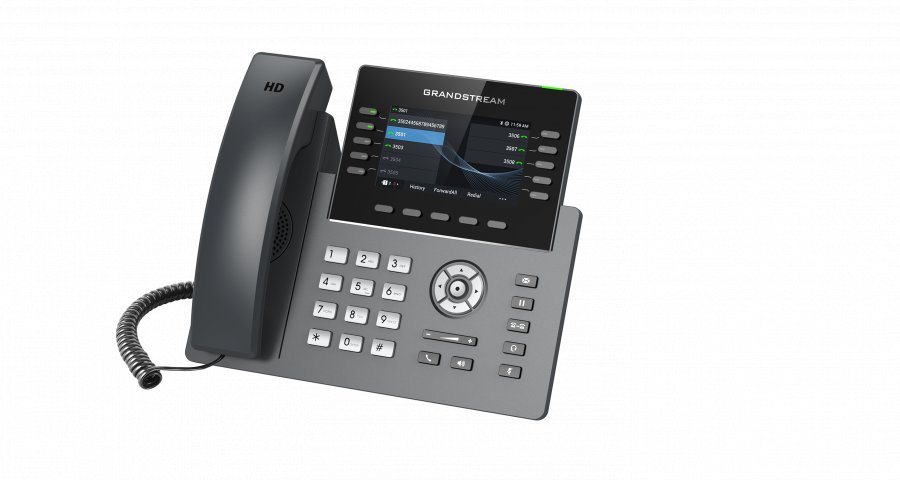
Grandstream’s range of devices is a cornerstone for boosting communication efficiency and simplifying deployment across organizations of all sizes. Their IP phones, particularly the GRP series, are designed with scalability and ease of management in mind. These devices support centralized provisioning, allowing businesses to deploy hundreds or even thousands of endpoints across multiple locations with minimal manual effort. By configuring a single profile and pushing it out automatically, companies save time, reduce errors, and maintain consistency throughout their network.
One of the standout features of Grandstream phones is their seamless integration with management platforms like the Grandstream Device Management System (GDMS). This centralized control panel makes it simple to monitor device status, perform firmware updates, and modify configurations remotely. Managing large-scale deployments becomes straightforward, enabling your IT team to troubleshoot proactively and ensure continuous operation. This streamlined approach minimizes downtime and supports reliable, resilient communication infrastructure.
Beyond deployment, Grandstream devices excel in delivering high-quality audio and user-friendly features. Many models support high-definition voice and noise-canceling technology, ensuring crystal-clear conversations even in busy office environments. Wi-Fi and Bluetooth capabilities add flexibility, allowing users to connect mobile devices or use cordless headsets. These enhancements foster more natural, responsive conversations and improve overall collaboration, whether employees are working at their desks or on the move.
Security remains a top priority in Grandstream’s design. Their devices incorporate robust encryption protocols, secure provisioning methods, and access controls to protect sensitive conversations and data. This focus on security helps organizations meet compliance standards and guard against cyber threats, all without complicating device management. As digital communication becomes more integral to daily operations, having a secure, reliable system becomes essential.
Scalability is built into the product lineup, enabling organizations to grow without disruptive overhauls. Whether expanding teams, adding locations, or integrating new features, Grandstream’s devices adapt easily. Cloud management options like GDMS simplify this process further, allowing new devices to be configured and deployed with just a few clicks. This flexibility ensures your communication system remains aligned with your evolving business needs, avoiding costly upgrades and downtime.
The versatility of Grandstream’s devices supports rapid deployment and ongoing management. Their support for both traditional and modern communication features, such as video calling and instant messaging, makes them suitable for a wide range of scenarios. As your organization scales, these devices facilitate seamless integration, ensuring your communication infrastructure stays resilient and responsive.
Choosing Grandstream means investing in a reliable, future-proof solution that enhances network performance and user experience. Their devices are built to streamline deployment, reduce management complexity, and support growth. With features like centralized control, security, and flexible connectivity options, you can craft a communication environment that’s both robust and easy to manage.
In the end, leveraging Grandstream’s product range transforms your telephony infrastructure into a strategic asset. It provides the tools needed to optimize communication flows, improve collaboration, and support your business’s expansion. Whether upgrading existing systems or building new networks from scratch, these devices empower organizations to stay connected, secure, and agile in today’s fast-changing digital landscape.
Strategic Steps for Seamless Deployment and Management of Telephony Systems
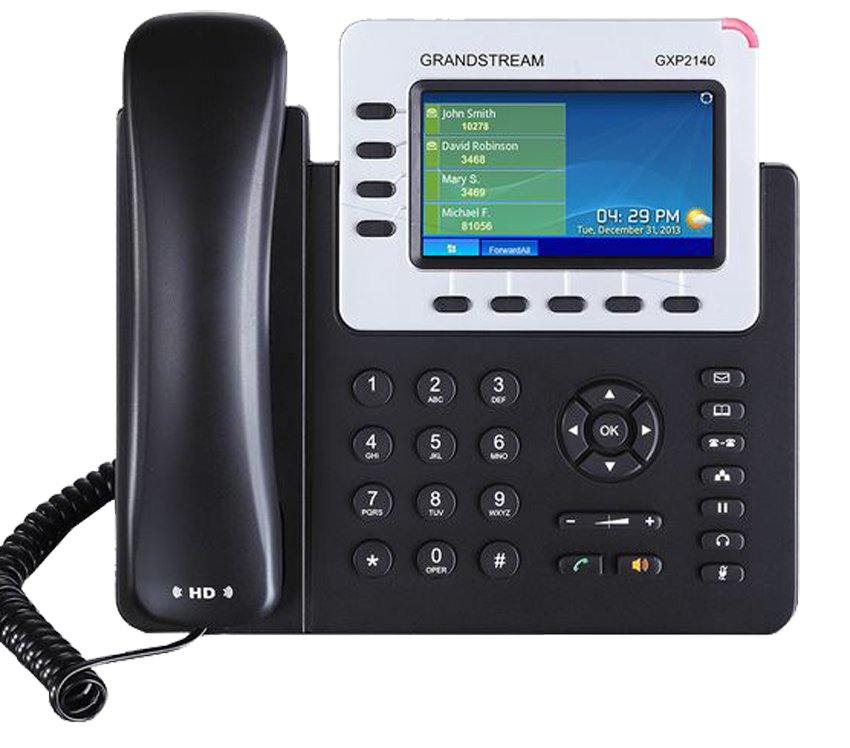
Deploying Grandstream telephony solutions starts with a clear understanding of your existing network infrastructure. Begin by assessing your bandwidth capacity, hardware compatibility, and security protocols. This step helps identify potential bottlenecks and ensures your new system integrates smoothly. Simultaneously, define your organizational needs—number of locations, users, and essential features—to establish a solid foundation for deployment.
Next, develop a phased rollout plan that breaks down the process into manageable steps. Schedule installation, configuration, and staff training with realistic deadlines to keep the project on track. Proper planning minimizes surprises and streamlines each stage, ensuring a seamless transition. During installation, follow manufacturer guidelines carefully, positioning devices correctly and securing connections to prevent future issues. Well-executed setup from the start reduces troubleshooting and maximizes device longevity.
Leverage centralized management platforms like Grandstream’s GDMS to simplify deployment. Use these tools to configure devices in bulk, applying settings, firmware updates, and security patches across your entire network from a single interface. This approach saves time, reduces manual errors, and ensures consistency. As your system expands, centralized control makes adding new devices or locations straightforward, supporting scalable growth without disruptions.
Testing is a crucial step that should never be overlooked. Once devices are installed, conduct comprehensive tests on call quality, network stability, and device performance. Check for issues such as dropped calls, echo, or poor audio clarity. Address these problems immediately to prevent operational disruptions. Early troubleshooting not only enhances user experience but also saves time and resources in the long run.
Staff training is equally vital. Provide your team with clear documentation and hands-on sessions to familiarize them with device operations and troubleshooting basics. Empowered users can resolve minor issues independently, reducing support tickets and maintaining reliable communication channels. Well-trained staff contribute significantly to the overall stability and efficiency of your telephony system.
Ongoing maintenance forms the backbone of a resilient communication network. Establish routines for firmware updates, security patches, and system monitoring. Regular updates fix vulnerabilities, improve features, and ensure compatibility with new technology. Use monitoring tools to detect unusual activity or hardware failures early, preventing minor issues from escalating into major disruptions. Consistent maintenance keeps your system secure, reliable, and performing at its best.
Finally, plan for future growth during the initial deployment. Select hardware and management solutions that support easy expansion, such as cloud-based platforms like GDMS. Designing your network with scalability in mind means adding new users, locations, or features can be done quickly and with minimal cost. This foresight ensures your communication infrastructure remains adaptable, avoiding costly overhauls and downtime as your business evolves.