




Nylon, a staple of modern life from clothes to industrial gear, is born from energy-intensive petrochemical processes that carry significant environmental costs. Its production involves extracting fossil fuels, transforming them into reactive chemicals, and polymerizing these into durable fibers—steps that consume vast amounts of energy and produce toxic waste. But what happens after nylon is discarded? Microfibers shed during washing pollute waterways, ingested by marine life, and eventually reach our plates, raising health concerns. Long-lasting and resistant to natural degradation, nylon items persist in landfills and ecosystems for centuries, fragmenting into microplastics that threaten biodiversity and human health. As awareness grows, so does the need for sustainable alternatives—recycling, bio-based fibers, and natural materials—to mitigate nylon’s ecological footprint. Can innovation and mindful choices weave a more sustainable future where convenience no longer comes at the planet’s expense?

The Ubiquity of Nylon and Its Hidden Environmental Costs
Nylon is everywhere. It’s in our clothes, our furniture, and the gear we depend on daily—whether it’s the backpack on our shoulders or the carpet under our feet. Its durability, elasticity, and affordability made it a game-changer when it first appeared in the 1930s. Before nylon, natural fibers like silk and cotton dominated, but they had limitations: they were often less resilient or more expensive. Nylon changed that by offering a synthetic alternative that could stand up to wear and tear, all while being cheaper to produce.
This versatility quickly propelled nylon into various industries. It gained fame in fashion with the debut of nylon stockings in the late 1930s and later proved crucial in military applications during World War II. Its strength and flexibility made it ideal for parachutes, ropes, and gear designed to withstand tough conditions. Over time, nylon became a staple in everything from sportswear to industrial materials, embedding itself into the fabric of modern life.
Despite its widespread use, the environmental footprint of nylon isn’t immediately obvious. It’s made from petrochemicals—fossil fuels like oil and natural gas—that are extracted through energy-intensive processes, often with significant ecological disruption. The chemicals derived from these resources are then transformed into nylon through complex reactions that require high heat, pressure, and catalysts. These steps consume large amounts of fossil fuel energy, linking nylon production directly to carbon emissions and climate change.
The process begins with breaking down crude oil or natural gas into simpler chemicals, which are then synthesized into key monomers like hexamethylenediamine and adipic acid. These monomers undergo polymerization—long chains of molecules are linked together under carefully controlled conditions—forming the basis of nylon fibers. This chemical synthesis isn’t just energy-demanding; it also produces waste byproducts, some of which are toxic. Managing these pollutants presents ongoing environmental challenges, especially when regulations aren’t strictly enforced.
Once the polymer chains are formed, they are melted and extruded through tiny nozzles to create filaments. These fibers are then spun into yarns or woven into fabrics, ready to become the clothes and materials we use every day. While this manufacturing stage also consumes energy, the real environmental cost begins earlier, in the extraction and chemical synthesis phases. Every step relies heavily on fossil fuels, contributing to greenhouse gases and global warming, and leaving a lasting mark on the planet.
Understanding nylon’s origins helps us see the hidden costs behind the convenience of our synthetic world. From resource extraction to chemical processing and manufacturing, every phase involves environmental trade-offs. Recognizing these impacts isn’t about guilt; it’s about awareness. It encourages us to think critically about the products we buy and consider more sustainable options. Moving forward, innovation in recycling and bio-based alternatives offers hope for reducing nylon’s footprint—if society is willing to support these changes.
From Petroleum to Fiber: Unveiling Nylon’s Industrial Journey
Nylon’s journey from raw materials to finished fibers begins deep within the realm of petrochemicals—fossil fuels like oil and natural gas that have powered industrial growth for decades. Extracting these resources involves complex drilling and refining processes that are highly energy-intensive and often cause significant environmental disruption. Once obtained, the raw oil or gas is transformed into a variety of chemicals, including the key building blocks for nylon, such as hexamethylenediamine and adipic acid. These monomers are produced through a series of chemical reactions that break down larger hydrocarbons into simpler, more reactive molecules.
The transformation from raw petrochemicals to nylon involves a sophisticated chain of chemical processes. It all starts with polymerization, where the monomers are linked together into long, repeating chains called polymers—the fundamental structure of nylon. This process requires precise control of conditions, typically involving high temperatures, pressures, and catalysts that facilitate chemical bonding. These conditions are maintained in large industrial reactors designed to optimize efficiency but also consume substantial amounts of energy, primarily derived from fossil fuels.
High heat and pressure are essential for polymerization, but they also contribute to nylon’s heavy reliance on non-renewable energy sources. During these reactions, chemical byproducts and waste acids are generated, some of which are toxic and demand careful handling to prevent environmental contamination. The production process often releases these waste products into nearby water bodies or the atmosphere, adding to the pollution concerns associated with nylon manufacturing. Despite regulatory efforts, illegal dumping and accidental spills still occur, highlighting ongoing environmental risks.
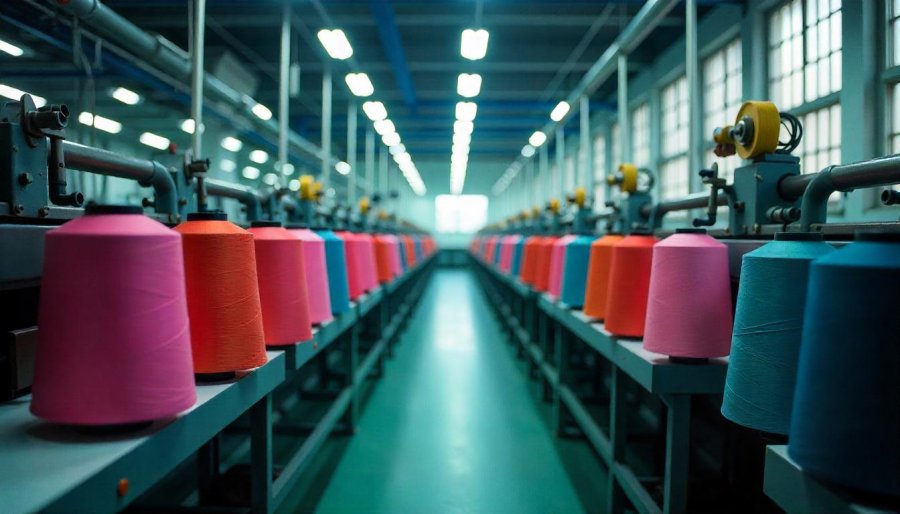
Once the polymer chains are formed, they are extruded through tiny nozzles—spinnerets—to create filaments that are then spun into yarns or woven into fabrics. This extrusion process involves melting the nylon and forcing it through small holes, shaping the fibers before they are cooled and solidified. While this stage consumes energy, the larger environmental challenges stem from the earlier chemical synthesis and raw material extraction, which are more resource-intensive and pollutive. Every step relies heavily on fossil fuels, contributing significantly to greenhouse gas emissions and climate change.
The production of nylon relies heavily on the extraction and processing of finite fossil fuels, which are major contributors to global warming. The chemical reactions involved in creating key monomers like adipic acid often produce potent greenhouse gases, such as nitrous oxide, which have a much higher warming potential than carbon dioxide. The dependence on these energy-intensive processes means that every phase—from drilling and refining to fiber manufacturing—adds to the carbon footprint of nylon, embedding environmental costs into the very fabric of its production.
Chemical byproducts and waste generated during manufacturing pose further concerns. Toxic substances such as waste acids and solvents are often produced and, if not properly managed, can contaminate local waterways and soil. Although regulations are in place to control emissions and disposal, enforcement gaps and accidental releases still threaten ecosystems and communities. The cumulative environmental toll underscores the heavy footprint of nylon’s industrial supply chain, extending well beyond its end-use in clothing or textiles.
Innovations in greener production methods, like recycling nylon from waste textiles and industrial scraps, offer some hope. Chemical recycling processes, which break down nylon into its chemical components for reuse, are emerging but remain costly and limited in scale. Meanwhile, bio-based nylon—made from renewable feedstocks—aims to reduce dependence on fossil fuels and cut emissions. Transitioning to these sustainable alternatives requires systemic change, but with increased investment and consumer demand, it’s a promising step toward reducing nylon’s environmental footprint and fostering a more responsible approach to textile manufacturing.
Nylon’s Toll on Our Planet: Pollution, Microplastics, and Sustainable Solutions
Every time we wash nylon garments, tiny fibers—called microplastics—are released into our water systems. These microfibers are incredibly small, often too tiny for standard filtration systems to catch, which means they slip through and end up in rivers, lakes, and oceans. Once in the water, marine animals mistake these fibers for food, ingesting them and suffering physical harm or internal injuries. Over time, these ingested microplastics move up the food chain, eventually reaching humans who consume seafood, raising concerns about potential health impacts.
The shedding of microfibers during washing is a major contributor to global plastic pollution. Studies estimate that a single nylon sweater can release hundreds of thousands of microfibers in just one wash. These particles are persistent—they do not biodegrade like natural fibers such as cotton or wool. Instead, they break down into even smaller fragments that settle into sediments or circulate in the water, continuously polluting ecosystems. This cycle fuels a vast, ongoing pollution problem that’s difficult to address, especially given how widespread synthetic clothing is.
Nylon waste also accumulates in landfills, adding to the environmental burden. Because nylon is resistant to decomposition, garments made from it can linger for centuries. Unlike organic materials that break down relatively quickly, nylon persists, gradually fragmenting into microplastics that seep into soil and water over time. Discarded nylon items, therefore, become long-term sources of pollution, slowly releasing tiny particles into the environment long after they’re no longer in use. Recycling options are limited, meaning most nylon waste ends up in landfills, where it remains a source of ongoing contamination.
Recycling nylon offers some hope but remains a challenge. Mechanical recycling—melting used nylon to create new fibers—often results in lower-quality material that’s less suitable for reuse. Chemical recycling, which breaks nylon down into its chemical building blocks for reuse, is still in development and not yet widely adopted. As a result, most nylon waste is simply discarded, contributing to the mounting problem of plastic pollution. Improving recycling infrastructure and advancing more efficient methods are critical steps toward reducing nylon’s environmental footprint.
The durability that once made nylon attractive becomes problematic in the long run. Its resistance to natural degradation means it can persist in the environment for centuries, slowly breaking into microplastics that contaminate soils and waterways. This persistent waste not only takes up space in landfills but also continuously leaks toxic particles into ecosystems. Over time, nylon’s long lifespan exacerbates environmental damage, transforming it from a useful material into a long-term pollutant that’s hard to remove once released.
The environmental consequences extend beyond microplastic pollution. In aquatic environments, nylon fibers can alter habitats and threaten biodiversity. Microplastics ingested by marine life can cause physical injuries, impair reproductive functions, and reduce survival rates. These effects ripple through ecosystems, disrupting food webs and threatening species at multiple levels. For humans, the concern grows as microplastics accumulate in seafood, potentially introducing toxins into our diets and raising questions about health risks that are still being studied.
As awareness of these impacts increases, many are turning to sustainable alternatives. Natural fibers like organic cotton, hemp, and wool are biodegradable options that break down naturally without leaving microplastic residues. Advances in recycled textiles, made from plastic bottles or textile scraps, are helping to close the loop on plastic waste. Meanwhile, bio-based fibers crafted from renewable resources promise performance similar to nylon but with a much lower environmental impact. Transitioning to these greener options is essential for reducing nylon’s ongoing environmental toll and fostering a more responsible approach to fashion and material use.