




What if true leadership isn’t measured by external conquests or visible achievements but by the strength of inner discipline and moral resilience? This compelling exploration invites us to reconsider the essence of genuine power through the life of Marcus Aurelius, a ruler who mastered himself amid chaos, wars, and plagues. His Stoic philosophy reveals that cultivating virtues like wisdom, temperance, and courage creates an unshakable foundation for authentic influence—one that endures beyond fleeting victories. As the world accelerates toward rapid change, this timeless lesson emphasizes that future leaders must prioritize inner virtues to navigate complex ethical dilemmas and societal shifts. Could mastering oneself become the most powerful tool in shaping lasting legacy and trust? The journey from external dominance to internal mastery promises a path to true leadership—where resilience, integrity, and self-control forge influence that withstands the tests of time.
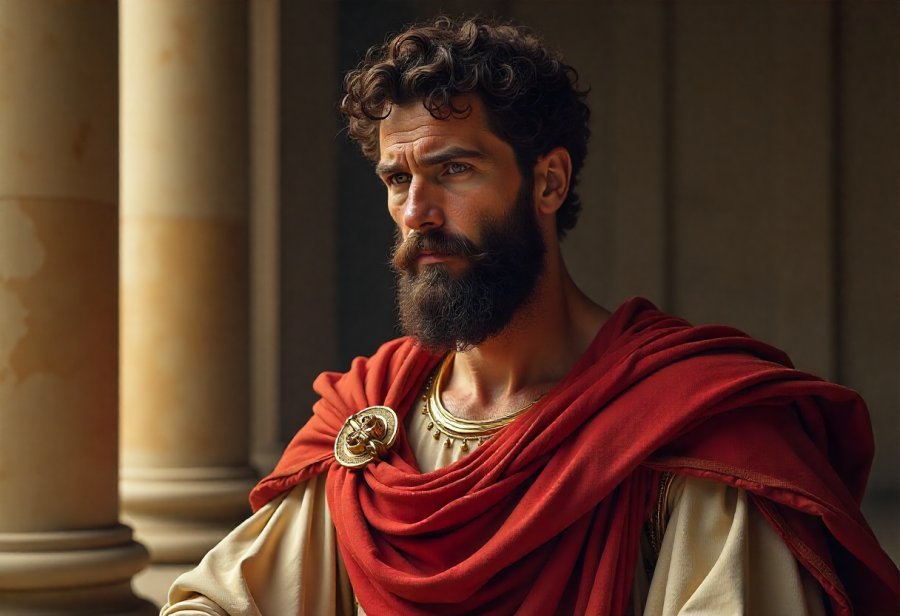
Inner Discipline: The True Measure of Power and Strength
Throughout history, leaders have often been judged by their outward achievements—battles won, territories expanded, empires built. These visible signs of power tell a compelling story: strength equals influence. But what if the true measure of a leader’s power isn’t what’s visible on the surface? What if real strength comes from within—rooted in inner discipline, mental resilience, and moral integrity? This question challenges the conventional view of leadership and invites us to look beyond external accomplishments.
Take Marcus Aurelius as a prime example. As Roman emperor from 161 to 180 AD, he faced relentless challenges—wars, plagues, betrayals—yet his legacy isn’t defined solely by military or political success. Instead, it’s shaped by his unwavering commitment to Stoic philosophy, which emphasizes self-control, virtue, and inner calm. His writings in Meditations reveal a man dedicated to mastering himself, striving for moral excellence even amid chaos. His life suggests that the deepest strength isn’t about external dominance but about cultivating inner resilience and discipline.
Inner discipline goes far beyond mere willpower. It involves developing the ability to control impulses, manage emotions, and stay focused on what truly matters—especially during difficult times. Resilience—the mental toughness to recover from setbacks—and moral integrity—acting consistently with virtue—are the foundations of authentic leadership. When these qualities are cultivated, they create a steadiness that isn’t easily shaken, enabling leaders to act with authenticity and clarity regardless of external circumstances.
Historically, external achievements often overshadow inner qualities. Leaders celebrated for victories and territorial gains are admired, but these successes can be fragile—dependent on factors outside their control. Inner strength, however, provides a stable anchor that endures. Marcus Aurelius exemplified this—governing with calm and moral purpose amid turmoil. His example reminds us that true power isn’t about external conquest but about mastery over oneself—a source of influence that lasts beyond fleeting fame.
This perspective pushes us to reconsider what genuine leadership entails. Is it measured by the size of your empire or the strength of your character? Evidence points to the fact that lasting influence comes from cultivating mastery over oneself. Inner discipline—focused on self-control, resilience, and virtue—becomes the real mark of strength. It’s a quiet but powerful force that shapes leaders who inspire trust and loyalty long after external achievements fade.
Marcus Aurelius: A Philosopher-Ruler of Enduring Wisdom
Marcus Aurelius stands out in history as both a formidable ruler and a dedicated philosopher. Ascending to the Roman throne in 161 AD, he inherited an empire beset by constant threats—wars along its borders, internal political strife, and devastating plagues that tested even the strongest leaders. Despite these pressures, his reign was marked not only by military and political efforts but also by a profound commitment to Stoic philosophy, which emphasizes self-control, virtue, and inner resilience. His personal writings, compiled in Meditations, reveal a man who prioritized moral integrity and mental discipline above external success. This blend of sovereign authority and philosophical pursuit makes Marcus Aurelius a timeless example of how inner discipline can elevate leadership beyond mere external achievements.
Born into a wealthy Roman family in 121 AD, Marcus received a privileged education that laid the groundwork for his disciplined mind. From a young age, he was immersed in classical literature and philosophy, which sparked a deep interest in virtue and self-mastery. Influenced by prominent Stoic teachers, he learned to value resilience, rational thought, and moral integrity—principles that would shape his character and leadership style. His early years were dedicated to personal development, reflected in consistent reflection and study, preparing him for the immense responsibilities that awaited him.
Throughout his reign, Marcus’s inner discipline was evident in how he responded to crises. Military conflicts along the Danube demanded strategic resilience, yet he remained calm and focused, viewing setbacks as opportunities for growth. When plagues ravaged Rome, he demonstrated humility and compassion, showing moral strength in caring for his people. Political betrayals and court intrigues tested his integrity, but he stayed committed to Stoic virtues, upholding justice and fairness amid turbulence. His ability to govern with a steady mind, regardless of external chaos, underscores how mastery over oneself can transcend external circumstances and elevate leadership.
Stoicism played a central role in shaping Marcus’s approach to leadership. Its teachings—acceptance of what cannot be changed, focus on internal virtues, and rational control over emotions—became guiding principles in his daily life. These ideas helped him maintain mental resilience through relentless challenges, allowing him to act wisely instead of impulsively. Daily reflection and disciplined practice reinforced his moral virtues, fostering a calm authority that inspired loyalty and respect. His life exemplifies how inner discipline rooted in Stoic principles creates a leadership style grounded in authenticity and moral clarity.
His leadership demonstrates that true strength arises from internal mastery rather than external conquests. While military victories and territorial expansion brought temporary fame, Marcus’s focus on inner virtues built a legacy of genuine influence and moral authority. His example reminds us that lasting impact depends on cultivating resilience, self-control, and integrity—traits that endure beyond fleeting external accomplishments. Marcus Aurelius’s life shows that the most powerful rulers are those who govern not just their empires, but their own minds, forging a leadership that stands the test of time.
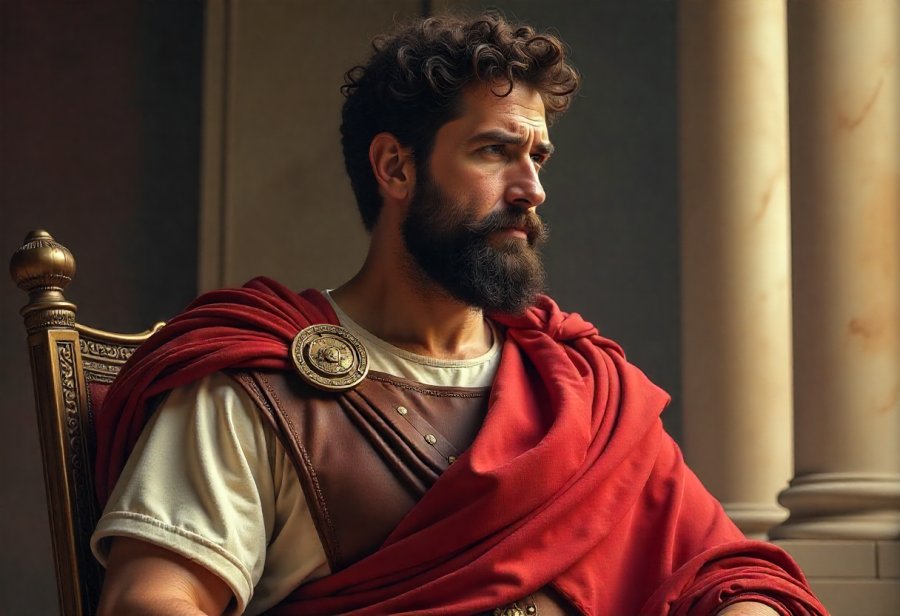
Stoic Virtues: Cultivating Inner Resilience and Moral Strength
Stoic philosophy lays the groundwork for understanding how inner discipline cultivates genuine strength. It shifts the focus from external circumstances—things beyond our control—to how we respond internally. This mindset is vital because, while we can’t always influence what happens around us, we can govern our thoughts, emotions, and judgments. Mastering these inner states creates resilience that external events cannot easily shake.
At the heart of Stoicism are virtues like wisdom, justice, temperance, and courage. These aren’t mere ideals but practical tools for navigating life’s challenges. Wisdom guides us to distinguish what truly matters, helping us act with clarity. Justice reminds us to uphold integrity, even when it’s inconvenient. Temperance encourages moderation, preventing excess in desires and reactions. Courage pushes us to face adversity directly, rather than retreat in fear. Daily cultivation of these virtues builds a sturdy inner character, forming the foundation of authentic strength.
A key practice within Stoicism is daily reflection, sharpening self-awareness and moral clarity. Regularly reviewing our actions and reactions helps us recognize moments when impulses override reason. This habit prompts us to choose responses rooted in virtue rather than emotion. For example, instead of reacting defensively to criticism, a Stoic approach involves pausing, evaluating, and responding with integrity. Over time, this disciplined reflection deepens resilience, making calm, rational reactions second nature rather than effort.
Acceptance plays a crucial role as well. Recognizing what we cannot change—like external hardships—frees us from frustration and despair. Instead, we focus on mastering what’s within our control: our thoughts and actions. Marcus Aurelius often reminded himself to accept life’s hardships with equanimity, viewing them as opportunities for moral growth. This acceptance brings peace and stability amid chaos, allowing us to maintain inner strength regardless of external turmoil.
Self-mastery in Stoicism involves resisting fleeting temptations and impulses that divert us from our moral purpose. It demands consistent effort—training ourselves through routines like journaling, mindfulness, or deliberate decision-making. These practices reinforce mental discipline, helping us recognize triggers that provoke emotional reactions and manage them effectively. As discipline becomes ingrained, resilience emerges naturally, enabling us to stay centered and act with integrity even in difficult moments.
The power of internal virtues means that true strength remains unshaken over time. External victories may fade, but inner resilience rooted in wisdom and virtue endures. Marcus Aurelius’s life exemplifies this—his calmness and moral clarity during crises earned lasting respect. His philosophy teaches us that leadership is less about external conquest and more about governing ourselves with moral mastery. This inward focus creates a foundation for authentic influence that withstands the test of time.
By prioritizing internal virtues, Stoics believe that genuine strength springs from how well we govern ourselves. Cultivating virtues through consistent effort transforms discipline into an unassailable fortress of character. This inner mastery not only sustains us through adversity but also inspires others to develop their own resilience. It’s a quiet but profound source of power—one that elevates leadership beyond superficial measures to a lasting legacy of integrity and moral strength.
Leading from Within: Applying Self-Mastery and Resilience in Practice
Applying inner discipline in leadership means turning philosophical principles into everyday actions that build resilience and moral clarity. One effective way is establishing regular reflection routines—taking a few moments each day to review decisions, emotional reactions, and core virtues like patience and honesty. When facing a stressful deadline or a difficult team member, pausing to breathe and choosing a calm, measured response helps maintain integrity rather than reacting impulsively. This habit of mindful pause cultivates self-awareness, a crucial tool for staying centered amid chaos.
Resilience develops when leaders view setbacks differently. Instead of seeing failures as defeats, they can see them as opportunities to learn and strengthen inner resolve. When plans falter, analyzing what went wrong without self-criticism, then moving forward with renewed purpose, demonstrates inner strength. Sharing stories of leaders who navigated crises calmly and ethically can inspire teams, illustrating that resilience—cultivated through deliberate effort—guides others through uncertainty.
Building inner discipline isn’t about one big moment but consistent effort over time. Developing habits like journaling, meditation, or deliberate decision routines reinforces mental toughness. These practices create space to recognize triggers that provoke emotional reactions and learn to manage them effectively. Overcoming obstacles such as distraction or complacency requires setting clear intentions, practicing patience, and being gentle with oneself. This ongoing effort turns resilience into an ingrained part of leadership, not just an occasional virtue.
Leaders like Satya Nadella, who emphasizes empathy and self-awareness, or Indra Nooyi, who advocates daily reflection, exemplify how these habits translate into external influence. Their experiences show that fostering inner discipline through simple, consistent routines builds authentic strength—trust, respect, and lasting impact—that surpass short-term wins. When leaders govern themselves wisely, they lay a foundation for genuine influence rooted in inner resilience and moral clarity.
Mastering oneself is a continuous journey, tailored to individual needs. Whether through mindfulness, journaling, or deliberate pauses, leaders can personalize practices that deepen resilience. Making inner discipline a daily habit creates a reservoir of authentic strength that sustains them through challenges and inspires others. When leaders govern themselves with wisdom and integrity, they forge a leadership that is resilient, trustworthy, and capable of enduring beyond fleeting external successes.
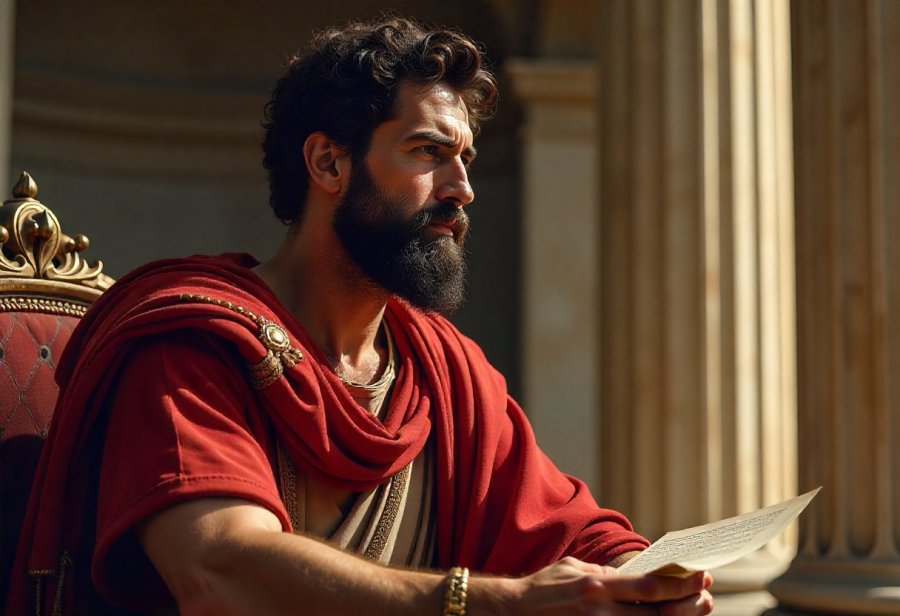
The Future of Leadership: Inner Strength as the Key to Lasting Impact
As the world continues to change at an unprecedented pace, the role of inner discipline in leadership is set to become even more vital. Leaders will face complex ethical dilemmas driven by rapid technological advances, societal shifts, and global crises that demand resilience and moral clarity. While external markers of influence—such as social media presence or economic power—may become easier to attain, sustaining genuine authority will increasingly hinge on internal virtues like wisdom, self-control, and authenticity. Those who cultivate these qualities now will be better equipped to navigate uncertainty and lead with integrity, making inner strength a defining trait of future leadership.
Traditional success metrics focused heavily on tangible achievements, like profits or territorial gains. Today, there’s a growing recognition that true and lasting influence depends more on internal virtues. Emotional intelligence, mental resilience, and moral integrity are no longer optional but essential for leaders who want to inspire trust and loyalty. As organizations and communities prioritize authenticity and moral authority, inner discipline will be viewed as a core leadership skill—one that underpins sustainable impact and legacy.
The pace of technological change and the influx of information will only intensify future pressures on leaders to stay calm and focused amid chaos. Cultivating inner discipline through habits like reflection, mindfulness, and deliberate decision-making will become fundamental. Leaders who can maintain composure, think clearly, and act ethically under stress will distinguish themselves as trustworthy guides in turbulent times. This shift underscores that real strength isn’t rooted in external influence but in mastering oneself to steer others through complexity.
Resilience, grounded in inner discipline, will also be crucial for maintaining ethical leadership. As public scrutiny intensifies and societal expectations evolve, leaders will need to demonstrate consistency in their principles, even when external circumstances tempt them to stray. This moral resilience builds trust and credibility, which are invaluable in a landscape where superficial influence can be fleeting. Leaders committed to inner virtues will forge reputations that endure, shaping a positive and lasting impact.
As human-centered leadership gains prominence, self-awareness and emotional intelligence will become even more prized. Leaders capable of understanding their motives and managing their emotions effectively will connect more authentically with diverse groups. Inner discipline enhances this self-awareness, enabling leaders to act with humility and integrity. Investing in cultivating these qualities now prepares leaders to face future challenges with clarity and moral strength, ensuring their influence remains resilient and genuine.
In this evolving landscape, the leaders who prioritize inner discipline will stand out as the most adaptable and inspiring figures. Their ability to govern their minds and hearts will be the foundation for guiding others through uncertainty. Internal virtues like wisdom, resilience, and moral clarity will become the defining marks of effective leadership—traits that foster trust, loyalty, and lasting impact. As the future unfolds, mastering oneself will be the greatest power a leader can wield, shaping a legacy that endures well beyond the fleeting superficialities of external success.