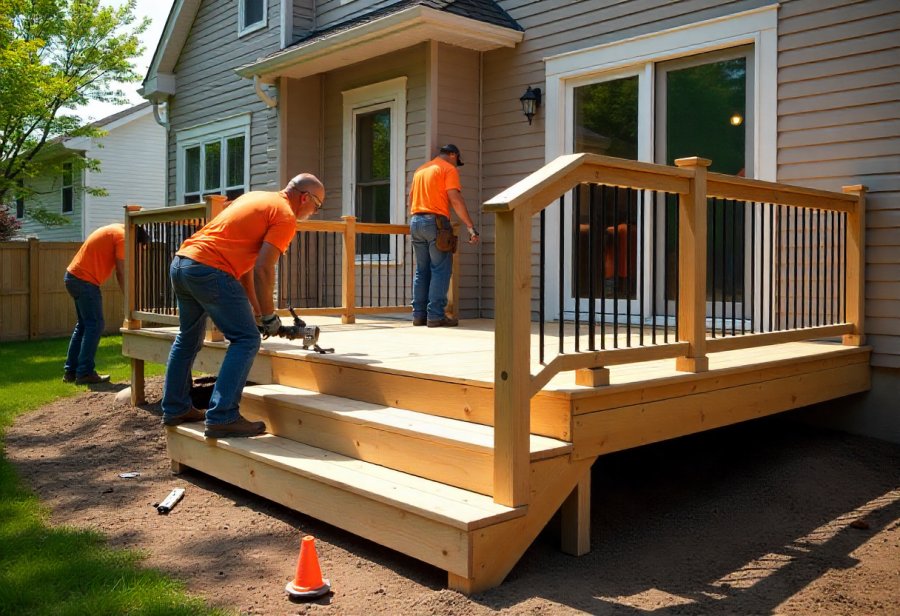




Transforming Toronto yards into captivating outdoor retreats is more than just planting and paving—it’s about balancing beauty, functionality, and sustainability in a city marked by seasonal extremes. How can homeowners create spaces that are visually stunning yet resilient enough to withstand Toronto’s climate? This guide explores innovative strategies, from native plants and eco-friendly materials to clever design solutions like vertical gardens and water features. It emphasizes a collaborative process where careful planning, detailed design, and expert installation bring visions to life, ensuring lasting satisfaction. Looking ahead, advances in smart technology, regenerative landscaping, and eco-conscious hardscaping promise to revolutionize outdoor spaces, making them more efficient, durable, and environmentally supportive. As outdoor environments evolve into extensions of the home and eco-conscious sanctuaries, the question remains: how will future landscapes serve as vital, resilient components of Toronto’s urban ecosystem, blending personal comfort with ecological responsibility?
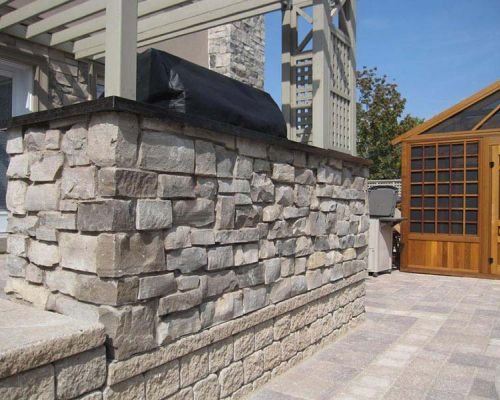
Transform Your Toronto Yard Into a Personal Sanctuary
Transforming Toronto yards into inviting outdoor retreats has become a key way for homeowners to expand their living space and enhance their quality of life. In a city known for its diverse neighborhoods and changing seasons, a thoughtfully designed yard can serve as a personal sanctuary, a lively gathering spot, or a peaceful escape from urban hustle. The challenge is balancing aesthetic appeal with practicality, all while considering Toronto’s unique climate and environmental needs.
A well-executed yard transformation goes beyond planting flowers or laying paving stones. It’s about creating outdoor environments that reflect individual style and support lifestyle goals. Whether homeowners seek a lush garden for relaxation, a sleek patio for entertaining, or a combination of both, the goal is to blend beauty with usability. Incorporating native plants, eco-friendly materials, and water-wise features ensures these landscapes can withstand Toronto’s cold winters and humid summers, making them durable and valuable assets.
Designing such outdoor spaces requires navigating space limitations common in urban settings, where every square foot counts. Creative solutions—like vertical gardens, multi-purpose zones, and compact hardscaping—maximize greenery and functionality without clutter. Climate considerations influence plant choices and materials, demanding options that stand up to seasonal extremes. Budget constraints push homeowners and designers to prioritize features that deliver maximum impact with minimal ongoing maintenance.
As outdoor retreats grow in popularity, there’s a shift in how people view their yards. No longer just patches of grass, these spaces become extensions of the home—places to relax, entertain, and connect with nature. Today’s landscapes aim to be both visually appealing and environmentally responsible, with native plants, recycled materials, rain gardens, and solar lighting increasingly common. These elements support ecological health and resilience, ensuring outdoor spaces remain vibrant and sustainable for years to come.
Creating a successful yard transformation involves understanding Toronto’s climate, embracing eco-friendly practices, and listening carefully to homeowners’ desires. When designers combine these elements, they craft outdoor retreats that are beautiful, functional, and environmentally sound. Each project becomes a reflection of modern values—where style, sustainability, and personal comfort come together to enhance everyday life.
Fundamental Principles for Eco-Friendly and Stunning Outdoor Spaces
Creating a stunning outdoor space that also champions sustainability begins with choosing the right plants and materials. Native plants are a cornerstone of eco-friendly landscaping because they’re naturally adapted to Toronto’s climate, which means they require less water, fewer fertilizers, and minimal pesticides. Incorporating species like serviceberries, coneflowers, and native grasses not only ensures resilience through Toronto’s cold winters and humid summers but also encourages local wildlife to flourish. This approach results in a low-maintenance, self-sustaining garden that grows stronger over time.
Designing a balanced outdoor retreat involves thoughtful zoning. Separating areas for relaxing, dining, or play helps organize the space and enhances its inviting feel. Combining hardscape elements—such as patios, pathways, and retaining walls—with lush planting beds creates visual interest and facilitates easy movement. Layered lighting adds a warm glow, extending usability into the evening and making the yard functional after sunset. When these elements work together, they form a cohesive environment that feels both harmonious and practical.
Selecting sustainable materials plays a vital role in eco-conscious landscape design. Recycled pavers, biodegradable landscape fabrics, and locally sourced stones reduce environmental impact while ensuring durability and longevity. Permeable surfaces like gravel, porous pavers, or rain gardens support natural stormwater infiltration, helping manage runoff and erosion. These features not only protect the environment but also maintain the aesthetic appeal of the landscape, proving that sustainability and beauty can go hand in hand.
Understanding personal style and lifestyle needs guides the design process. Open dialogue about color preferences, privacy concerns, pet safety, and functional requirements helps craft a landscape that feels authentic and tailored. When homeowners actively participate in planning, they develop a sense of ownership that increases satisfaction and pride in their outdoor space. This collaborative approach ensures the final design aligns with both aesthetic desires and practical realities.
Eco-friendly practices extend beyond plant choices. Organic fertilizers, composting, and mulching maintain healthy soil and reduce chemical use, supporting native plants and soil vitality. Installing solar-powered lighting and energy-efficient features further reduces energy consumption, making the landscape more sustainable. Routine maintenance—such as pruning, weeding, and watering with efficient systems—keeps the yard vibrant and resilient, ensuring its beauty endures through Toronto’s seasonal shifts.
Combining these principles results in outdoor spaces that are both beautiful and environmentally responsible. Thoughtful plant selection, sustainable hardscaping, and active homeowner involvement create a landscape that’s easy to maintain, resilient, and aligned with ecological goals. Embracing these fundamentals transforms ordinary yards into thriving, sustainable retreats—an investment in beauty that supports the health of the environment and enhances quality of life for years to come.
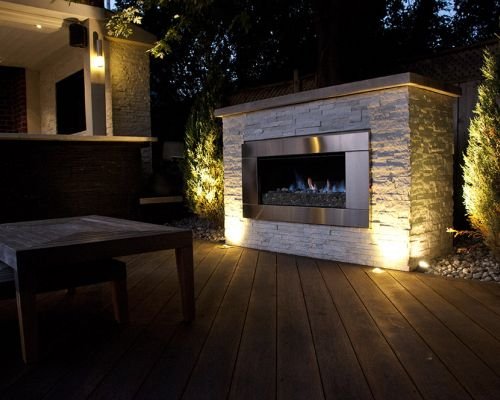
Innovative Ideas to Elevate Your Outdoor Retreat
Transforming outdoor spaces into inviting retreats is about more than just planting a few flowers or laying pavers; it’s about blending creativity with practicality to craft environments that truly elevate your outdoor experience. Adding water features such as small ponds or fountains creates a natural focal point that not only catches the eye but also introduces calming sounds, transforming your yard into a peaceful sanctuary. These elements can serve as visual highlights and sonic relaxation, making your outdoor space feel like a true escape from daily routines.
Lighting is crucial in extending the usability and ambiance of your yard after sunset. Thoughtfully placed string lights, pathway lamps, or LED fixtures can turn an ordinary backyard into a warm, inviting space for evening gatherings or quiet nights outdoors. Incorporating fire pits or outdoor fireplaces adds a cozy touch, encouraging family and friends to linger comfortably during cooler Toronto evenings and making the space functional year-round.
Zoning different areas for dining, lounging, or play helps organize the yard and makes it more inviting. Durable, eco-friendly furniture and features ensure longevity and support your sustainability goals. Shaded spots created by pergolas or natural canopies provide relief during hot summer days, while natural elements like rock gardens or vegetable patches add visual interest and ecological benefits. Personal touches like these not only make the space more functional but also reflect your style and preferences.
Maintaining a lush, vibrant landscape requires ongoing care. Regular inspections, pruning, and weeding support plant health and keep your yard looking its best. Installing water-efficient irrigation systems, such as drip lines, conserves resources while ensuring your plants thrive through Toronto’s seasonal shifts. Routine maintenance like mulching and fertilizing helps preserve soil vitality, keeping your outdoor retreat beautiful and resilient over time.
Eco-friendly features further enhance your landscape’s sustainability and appeal. Solar-powered lighting, rain gardens, and permeable paving help manage stormwater naturally, reduce energy consumption, and lower upkeep costs. Using recycled or biodegradable materials in hardscaping minimizes environmental impact and supports circular economy practices. These thoughtful additions not only boost the visual appeal but also ensure your yard remains a responsible, eco-conscious retreat.
By combining creative design ideas with practical features, you can turn your outdoor space into a versatile sanctuary that’s both beautiful and functional. Thoughtful element placement, sustainable choices, and personal touches create an environment that’s easy to enjoy and easy to maintain. With the right strategies, your yard can become a dynamic outdoor retreat—an extension of your home where style, comfort, and sustainability coexist seamlessly.
From Concept to Reality: The Essential Installation Journey
Bringing a backyard transformation from concept to reality begins with a clear, collaborative process that keeps clients engaged and confident every step of the way. It starts with an in-depth consultation where the landscape designer listens carefully to the homeowner’s vision, lifestyle needs, and aesthetic preferences. This initial meeting helps lay a solid foundation for a tailored plan that balances dreams with practical considerations like budget and site conditions.
Once the goals are understood, the designer crafts a detailed proposal, including sketches, mood boards, and material samples. These visual tools make it easier for homeowners to see their future outdoor space and provide input early on. This ongoing collaboration fosters a sense of ownership, ensuring the final plan truly reflects their style and needs before moving forward to construction.
With a design approved, the focus shifts to planning. Establishing realistic timelines, finalizing budgets, and ordering materials well in advance keep the project on track. Clear communication during this phase is crucial—keeping everyone aligned helps prevent delays or surprises. Coordinating with contractors and suppliers ensures that each element arrives and is installed as scheduled, maintaining quality and efficiency.
During installation, consistent communication remains key. Regular site visits and updates help address any issues promptly and keep the project aligned with the approved plan. Skilled crews work meticulously to bring each feature to life, paying close attention to detail. When unforeseen challenges arise, quick problem-solving prevents setbacks and preserves the integrity of the design.
Once construction wraps up, a thorough walk-through allows clients to see their transformed yard firsthand. This is the moment to discuss any minor adjustments, address concerns, or request touch-ups. Prompt attention to these details solidifies trust and guarantees satisfaction, turning a good plan into a stunning outdoor retreat.
Following this structured process—initial consultation, detailed design, careful planning, precise installation, and final review—ensures a smooth journey from vision to reality. It’s a partnership built on open communication, attention to detail, and shared commitment. When executed thoughtfully, this approach transforms a simple concept into a beautiful, functional outdoor space homeowners will cherish for years.
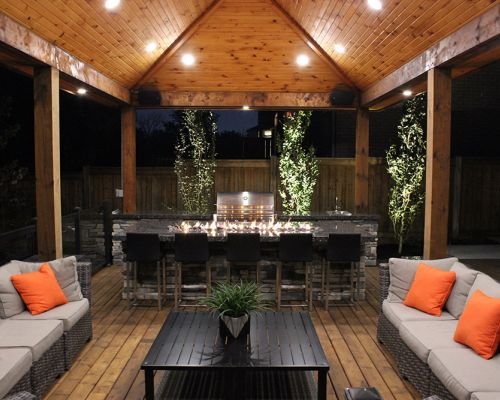
Embracing the Future of Toronto Yard Transformations with Innovation and Sustainability
The future of yard transformations in Toronto is headed toward a more innovative and eco-conscious direction. Advances in smart landscaping technology are making it easier for homeowners to maintain stunning outdoor spaces with less effort. Automated irrigation systems that adapt to weather conditions and climate-responsive lighting are helping reduce water and energy consumption, aligning perfectly with sustainability goals. These tools not only improve efficiency but also support healthier, more resilient landscapes that thrive year-round.
Native plants and regenerative landscaping practices are gaining momentum as key elements of eco-friendly design. As environmental awareness grows, more homeowners are opting for plants adapted to Toronto’s climate, which require fewer resources and support local ecosystems. This shift results in landscapes that are not only more sustainable but also more durable, capable of weathering seasonal extremes with minimal intervention. Such resilient gardens minimize maintenance costs while maximizing ecological benefits.
Material choices are evolving as well. Recycled pavers, biodegradable fabrics, and locally sourced stones are becoming standard, reducing the carbon footprint of landscape projects. These sustainable hardscaping options help create outdoor environments that are both beautiful and environmentally responsible. Durable, eco-friendly materials ensure that landscapes remain vibrant and functional for years, supporting long-term sustainability and reducing waste.
Design approaches are becoming more flexible and adaptable. Modular, biodegradable elements like removable planters and lightweight fencing from recycled materials allow homeowners to update their landscapes easily. This ongoing adaptability encourages continuous innovation and helps yards stay fresh, reducing the need for complete redesigns. It also promotes a sense of ownership and personal expression, making outdoor spaces more meaningful.
As climate change impacts intensify, designers are prioritizing resilience and climate-responsive features. Rain gardens, permeable pavements, and organic soil amendments are increasingly incorporated to manage stormwater and prevent erosion. These elements not only protect the environment but also add aesthetic appeal, seamlessly blending function with beauty. This proactive approach ensures outdoor retreats remain sustainable and resilient despite environmental challenges.
Looking ahead, landscapes will become more than personal escapes—they will serve as vital parts of Toronto’s ecological fabric. Enhancing biodiversity, improving air quality, and supporting local wildlife will be central to future designs. As these practices become mainstream, outdoor spaces will evolve into restorative environments that nurture both people and the planet, reflecting a shared commitment to sustainability and innovation.