




As winter approaches, many drivers overlook a crucial safety upgrade: winter tires. Are your regular tires equipped to handle icy, snowy roads? Winter tires are specially designed with softer rubber compounds and deeper, more aggressive treads that maintain flexibility and grip in freezing temperatures. They drastically improve traction, reduce stopping distances, and enhance vehicle control, turning winter driving from a stressful gamble into a safer journey. Real-world stories highlight how vehicles with winter tires navigate snow-packed streets with ease, preventing accidents and giving drivers peace of mind. While the initial cost may seem high, the safety benefits—shorter braking distances, better stability, and fewer spin-outs—offer undeniable value. Investing in quality winter tires transforms your vehicle into a winter-ready machine, making the difference between peril and confidence on icy roads. Isn’t safety worth every penny when winter’s worst hits?
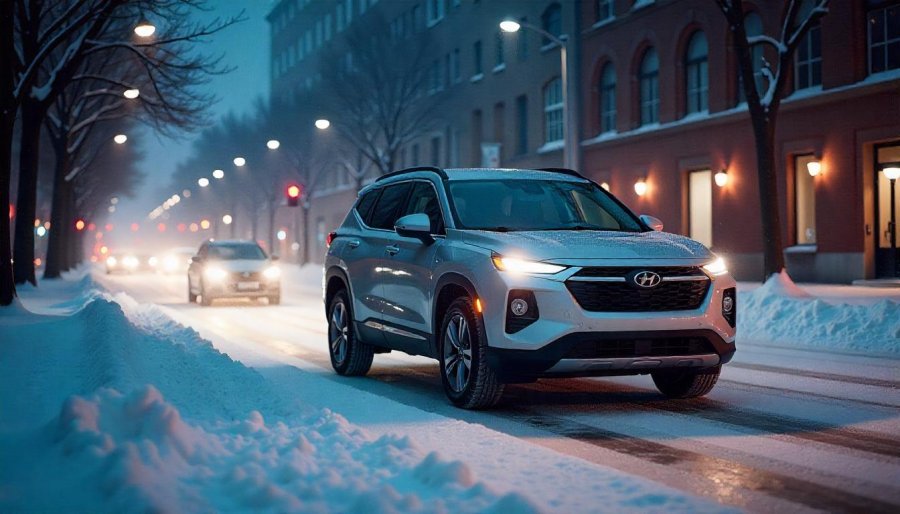
Why Winter Tires Are Your Vehicle’s Essential Winter Coat
As winter approaches, many drivers start thinking about how to keep their vehicles safe in colder weather. While it’s common to focus on antifreeze or snow brushes, one essential upgrade often gets overlooked: switching to winter tires. These tires are specially designed to handle the unique challenges of icy, snowy, and freezing roads, providing grip and control that regular tires simply can’t match.
Without winter tires, driving on slick surfaces can quickly become risky. Slipping, skidding, or losing control are all too common when roads are icy or covered in snow. Installing proper winter tires isn’t just about comfort—it’s a crucial safety measure that can prevent accidents and keep you confident behind the wheel during the coldest months.
Winter tires aren’t just an extra set of rubber; they’re a real upgrade for your vehicle’s safety. Their rubber compounds stay softer and more flexible in low temperatures, helping them grip the road better when it’s cold outside. Their tread patterns are deeper and feature more biting edges, allowing them to cut through snow and ice rather than slide over it. Think of winter tires as your car’s winter coat—designed to keep you safer when the weather turns harsh.
Many underestimate how much winter tires can improve driving performance. Regular tires tend to harden when temperatures drop, losing traction and making it easier to slip on icy patches. In contrast, winter tires maintain their flexibility, offering shorter stopping distances and better control. This isn’t just about comfort—it’s about significantly reducing the risk of accidents during the months when roads are most treacherous.
Getting ready for winter isn’t just about checking the forecast. It’s about taking proactive steps to protect yourself on the road. Installing winter tires before the first snow or when temperatures stay below around 7°C (45°F) ensures your vehicle is prepared. Waiting until roads are icy can leave you vulnerable and force rushed decisions or costly last-minute trips. Planning ahead means safer driving and peace of mind when winter hits its peak.
Switching to winter tires can make all the difference in how your vehicle handles winter conditions. If you live in an area prone to snow and ice—or if your daily commute involves icy city streets or rural roads—knowing your car is equipped with the right tires can turn a stressful drive into a safer, more confident journey. It’s a simple step that can greatly improve your safety when winter weather makes driving more challenging.
Unlocking the Secrets of Winter Tire Performance
Winter tires are built with specialized rubber compounds that stay soft and flexible even in freezing temperatures. Unlike regular tires, which tend to harden when it’s cold, winter tires maintain their pliability, allowing them to grip icy and snowy surfaces more effectively. This flexibility is crucial because it ensures consistent contact with the road, translating into better traction and shorter stopping distances. When roads are slick or covered in snow, this difference can be the key to maintaining control and avoiding accidents.
The unique tread design of winter tires also plays a vital role in their performance. They feature deeper grooves and more biting edges than all-season or summer tires, which help evacuate snow, slush, and water from the tire’s contact patch. This reduces the risk of hydroplaning and enhances grip on wet or icy surfaces. Small slits called sipes add extra biting edges that dig into ice and packed snow, providing additional slip resistance. These design elements work together to give winter tires the edge in cold conditions where regular tires struggle to find traction.
The rubber compounds used in winter tires include special additives that prevent brittleness at low temperatures. This means the tires remain pliable and able to conform to uneven and slippery surfaces, unlike traditional tires that become rigid and slide more easily. This adaptability results in improved steering response, more reliable braking, and overall better vehicle stability during winter drives. Drivers experience less skidding and more predictable handling, even on challenging icy roads.
Choosing the right winter tire involves considering its ability to handle various winter conditions. Tires with aggressive tread patterns and numerous sipes tend to perform better on packed snow and ice. The tire’s composition—specifically, its ability to stay soft at very low temperatures—is equally important. Reputable brands like Nokian, Michelin, and Bridgestone incorporate these features, making them popular choices for those looking for superior winter performance.
Proper maintenance extends the benefits of winter tires. Regular rotations, tire pressure checks, and tread inspections are essential to keep them performing at their best. Keeping tread depth sufficient ensures the biting edges are effective, maintaining traction and safety. When tread wears down, replacing tires promptly guarantees continued control on icy and snowy roads. Well-maintained winter tires deliver consistent performance, making winter driving safer and more confident.
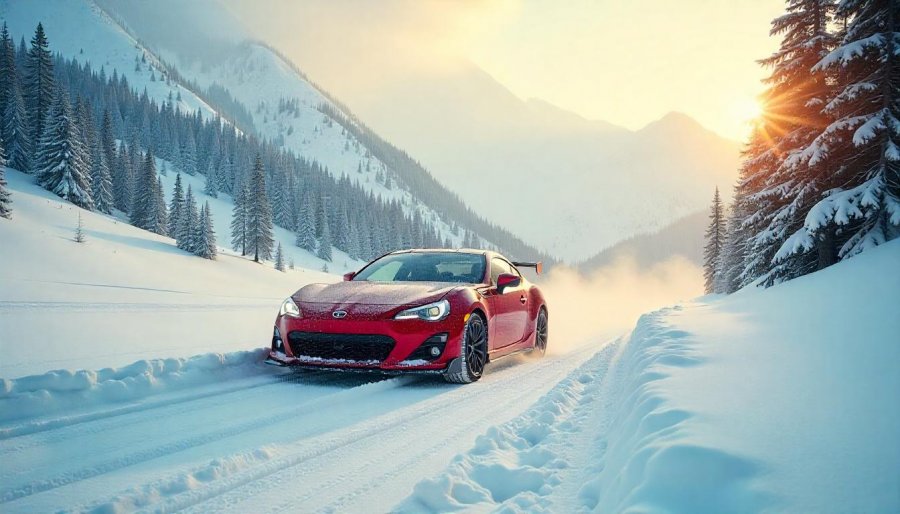
Real-World Triumphs: How Winter Tires Transform Winter Driving
Switching to winter tires can dramatically change how your vehicle performs in cold weather. Many drivers notice a clear difference once they make the switch, especially on icy and snow-covered roads. Braking distances shrink noticeably, giving you more confidence and control when stopping suddenly. This improved stopping power isn’t just about comfort; it’s a crucial safety feature that can prevent accidents when roads are slick and unpredictable.
On icy surfaces, winter tires excel at providing grip and stability. Drivers often feel more responsive steering and a sense of security when navigating turns or dodging obstacles. Studies show that vehicles equipped with winter tires are less likely to skid or slide during winter storms. The enhanced traction helps maintain control, even on the most treacherous patches of ice and packed snow, making your driving experience safer and less stressful.
Beyond safety, winter tires also make driving more predictable. Many find their cars feel steadier and more manageable on snow-covered streets, which reduces winter driving anxiety. Knowing your tires are designed for cold conditions allows you to focus on the road rather than worrying about slipping or losing control. This added confidence can turn a stressful commute into a safer, more comfortable journey.
Real-world stories back up these benefits. One driver from a snowy town shared that their braking distance was cut in half after switching to winter tires, helping them stop safely on icy roads. Others recount getting through heavy snowstorms without spinning out or getting stuck—something that wouldn’t have been possible with regular tires. These experiences highlight how winter tires aren’t just an upgrade; they’re a vital safety tool during the cold months.
Emergency services and road crews also see fewer accidents and stranded vehicles when winter tires are in use. This not only improves safety for individual drivers but helps keep traffic moving smoothly during storms. Drivers who switch early tend to be better prepared for sudden weather changes, transforming what could be a dangerous situation into a manageable drive. Overall, winter tires deliver tangible improvements that make winter driving safer and more predictable for everyone on the road.
Cost, Safety, and Saving: Budgeting for Winter Tire Security
Investing in a set of winter tires involves an upfront cost that can vary widely depending on the brand, size, and quality you choose. On average, a mid-range set might cost between $400 and $800, while premium options from top brands like Nokian or Michelin can push that figure higher. Adding installation, balancing, and mounting usually adds another $50 to $100 per set. While these expenses might seem significant initially, they represent a crucial safety investment for winter driving.
Maintaining your winter tires properly ensures they perform at their best throughout the season. Regular rotations, tire pressure checks, and inspections help extend their lifespan and maintain their traction. Proper care can allow you to reuse the same set across multiple winters, spreading out the initial cost over time. Keeping an eye on tread depth and replacing tires when they become worn is essential to preserve safety and performance.
Many drivers find that the safety benefits outweigh the initial expenditure. Shorter stopping distances and improved control on icy roads can prevent accidents that might lead to costly repairs or insurance claims. Some insurance providers offer discounts for vehicles equipped with winter tires, which can further offset the investment. When you consider the potential savings from avoiding a crash or a slip, the financial case becomes even stronger.
Thinking of winter tires as a form of insurance helps put their cost into perspective. The peace of mind that comes with knowing your vehicle is better equipped to handle winter storms can be invaluable. Preventing a single accident or skid on ice could save hundreds or thousands of dollars in damages, medical bills, and stress. When weighing these potential costs against the price of quality winter tires, the value becomes clear.
For those working within a tighter budget, options exist that don’t compromise safety. Choosing reliable mid-range tires with proven winter performance can provide excellent traction at a more accessible price point. Shopping during sales or off-season discounts can also make purchasing more affordable. Some drivers even consider used tires in good condition, provided they have adequate tread, to reduce expenses further.
The decision to buy winter tires isn’t just about the initial spend—it’s about the long-term safety and peace of mind they offer. Properly maintained, they can last several seasons, providing ongoing value. When you factor in the potential costs of accidents, injuries, and vehicle repairs, the financial logic of investing in quality winter tires becomes compelling.
In the end, the costs of winter tires are a small price to pay for safer, more confident driving during the cold months. They are a practical safeguard that pays off by reducing risks and enhancing control on icy, snow-laden roads. For many, they’re not just an expense—they’re a wise, lifesaving investment that ensures winter driving remains manageable and secure.

Stories of Safety: Real Drivers’ Success with Winter Tires
Switching to winter tires has a noticeable impact on how drivers experience cold-weather driving. Many people report a stark difference in control and confidence once their new tires are fitted, especially on icy or snow-covered roads. Braking distances shrink, allowing for safer stops and giving drivers a sense of reassurance even in treacherous conditions. This isn’t just comfort—it’s a real safety upgrade that can prevent accidents and reduce stress during winter journeys.
On icy surfaces, winter tires excel at providing grip and stability. Drivers often feel more responsive steering and better control when navigating turns or avoiding obstacles. Research shows that vehicles equipped with winter tires are significantly less likely to skid or slide during winter storms, thanks to their enhanced traction. This added grip helps maintain control in situations where regular tires might fail, making winter driving less unpredictable and more manageable.
Beyond safety, winter tires also boost driver confidence. Many find their cars feel steadier on snow and ice, which reduces anxiety on winter roads. Knowing the tires are designed for cold, slippery conditions allows drivers to focus on the road rather than worrying about slipping or losing control. This mental shift makes winter commutes safer, less stressful, and even more predictable, transforming what can be a tense experience into a manageable one.
There are countless stories from drivers who’ve experienced the benefits firsthand. One driver from a snow-prone town shared that their braking distance was cut in half after switching to winter tires, helping them stop safely on icy roads. Others have recounted how they navigated through heavy snowstorms without getting stuck or losing traction—something that previously seemed impossible with all-season tires. These real-world examples highlight how winter tires aren’t just an upgrade—they’re a crucial tool for winter safety.
Emergency responders also notice the difference. With more vehicles equipped with winter tires, the number of accidents and stranded cars during snowstorms drops noticeably. This keeps roads clearer, reduces emergency call-outs, and helps ensure everyone gets to their destination safely. Drivers who switch early often find themselves better prepared for sudden weather changes, turning potentially dangerous drives into safer, more controlled experiences.
In the end, real stories underscore what many already suspect: winter tires deliver tangible benefits when it matters most. They turn icy, snow-laden roads from hazards into safer routes, giving drivers peace of mind and a greater sense of security. For anyone facing winter driving challenges, investing in proper tires isn’t just wise—it can be life-saving.