




Learning to ride a bike is more than a childhood milestone—it’s a profound journey of courage, independence, and family bonding. This timeless activity embodies perseverance amid fears of falling, yet awakens a sense of freedom and achievement in children. As modern innovations like balance bikes, safety gear, and community programs enhance the experience, they foster confidence and resilience that extend beyond the handlebars. Historically rooted in a quest for mobility and independence, cycling continues to evolve with emerging technologies such as smart bikes and virtual coaching, promising safer, more engaging learning environments. But as the world invests in infrastructure and innovation, one must wonder: will the thrill of that first confident ride outweigh the fears that hold children back? Could future advances make cycling not just a childhood skill, but a lifelong passion rooted in safety, sustainability, and self-reliance?
Embark on the Journey: The Significance of Learning to Ride a Bike
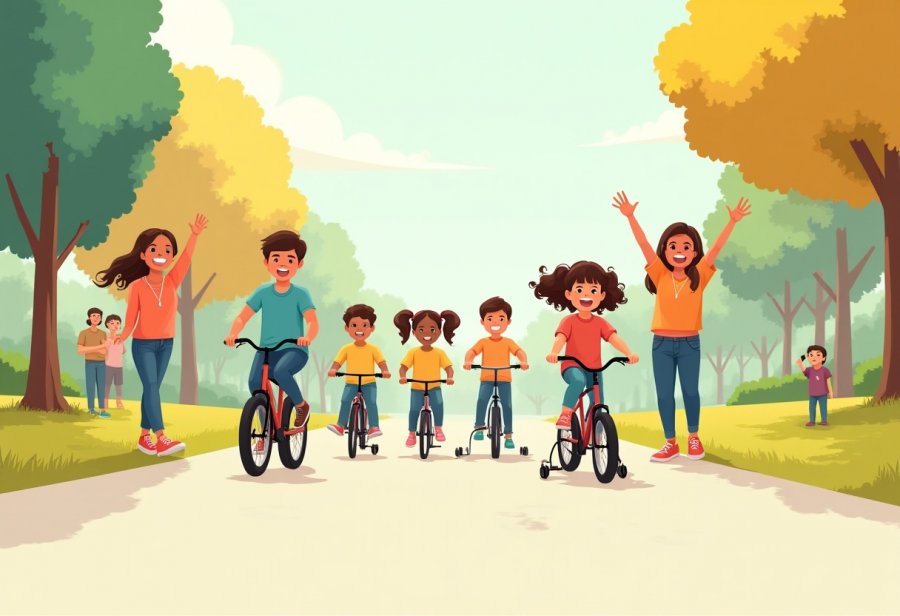
Learning to ride a bike is more than just picking up a new skill—it’s a milestone that often marks a turning point in a child’s development. For many kids, that first ride is a moment filled with a mix of excitement and nerves, embodying a sense of adventure, bravery, and independence. Wobbly on two wheels, they begin to experience the thrill of moving forward on their own, sparking pride and joy that can stay with them for years. These early lessons aren’t just about mastering balance; they’re about building confidence and resilience that extend far beyond the bike.
For families, teaching a child to ride becomes a shared adventure rooted in patience, support, and celebration. Parents find themselves on the sidelines, offering gentle guidance as their children push through initial fears. Watching a child succeed after many tries fosters a sense of teamwork and trust, creating memories that last a lifetime. These moments remind everyone involved that perseverance and encouragement are key ingredients in overcoming obstacles and turning trepidation into triumph.
The journey to that first independent ride isn’t always smooth. Fear of falling and hesitation are natural parts of the process, but they can be transformed into courage with kindness and patience. Supporting children through small successes—like balancing on training wheels or taking a few pedal strokes—helps them develop trust in their abilities. When children feel safe and supported, their confidence blossoms, making the leap to riding solo feel less daunting and more like an exciting new chapter.
Learning to ride also symbolizes a step toward independence. It’s a skill that fosters vital abilities such as balance, coordination, and spatial awareness—skills that carry over into many areas of life. As children gain mastery, they develop a sense of control over their actions and environment, encouraging a growth mindset. The independence they experience on two wheels often fuels their enthusiasm for taking on new challenges and exploring the world around them.
Ultimately, teaching a child to ride a bike celebrates growth, support, and courage. It’s a rite of passage that bridges childhood innocence with confidence and self-reliance. When families come together to celebrate these small victories, they reinforce the idea that perseverance, patience, and a little bit of courage open doors to new adventures—making learning to ride more than just a childhood milestone; it’s a foundation for a lifetime of independence.
Tracing the Pedal Path: The Origins and Cultural Significance of Cycling
Cycling’s history stretches back over a century and reveals why learning to ride remains such a meaningful milestone. The earliest bicycles, known as velocipedes or “boneshakers,” appeared in the early 1800s. These primitive machines, often uncomfortable and clunky, sparked imaginations despite their rough design. As inventors refined the technology, the late 19th century saw the rise of the safety bicycle, featuring chain drives and equal-sized wheels that made riding safer and more accessible. This evolution transformed cycling from a niche hobby into a common activity, especially for children learning to ride.
Over time, bicycles became symbols of independence and progress across many societies. In Europe and North America, cycling gained popularity as both a recreational activity and a practical mode of transportation. Cities began creating dedicated bike lanes and infrastructure, encouraging more people to hop on two wheels. Cycling clubs and communities emerged, fostering social bonds around the activity. For many cultures, the bicycle represented personal freedom—an affordable way for children and adults alike to explore their surroundings and take control of their mobility.
Early methods of teaching kids to ride involved trial and error—parents holding the seat or guiding their children as they wobbled and fell. The introduction of training wheels in the 20th century provided stability, giving young riders a sense of security as they learned steering and pedaling. More recently, balance bikes—bicycles without pedals—have gained popularity for teaching balance first, making the transition to pedal bikes smoother. These innovations highlight a shared understanding that mastering balance is key, making learning safer and more enjoyable.
Throughout history, key figures and inventions shaped how we teach children to ride. John Kemp Starley’s development of the modern safety bicycle in the 1890s made riding easier and safer for beginners. As techniques evolved, emphasis on safety and confidence-building grew. Today, tools like digital coaching apps and community programs continue to make learning more engaging and accessible. These advancements reflect societal values around safety, inclusivity, and environmental consciousness, reinforcing cycling as a universal symbol of growth and independence.
Cycling’s cultural significance extends beyond individual milestones. It’s celebrated worldwide as a symbol of adventure, resilience, and personal freedom. For children, learning to ride often marks a rite of passage—a step toward exploring the world on their own. Families see it as a bonding experience, full of shared support and pride. As cities and communities invest in bike-friendly infrastructure and promote sustainable transportation, the act of learning to ride remains a powerful reminder of mobility’s role in personal and societal progress. Cycling continues to evolve as a cornerstone of childhood and community life, inspiring new generations to embrace the journey of learning and independence.
Modern Turns: Contemporary Approaches to Teaching Kids to Cycle
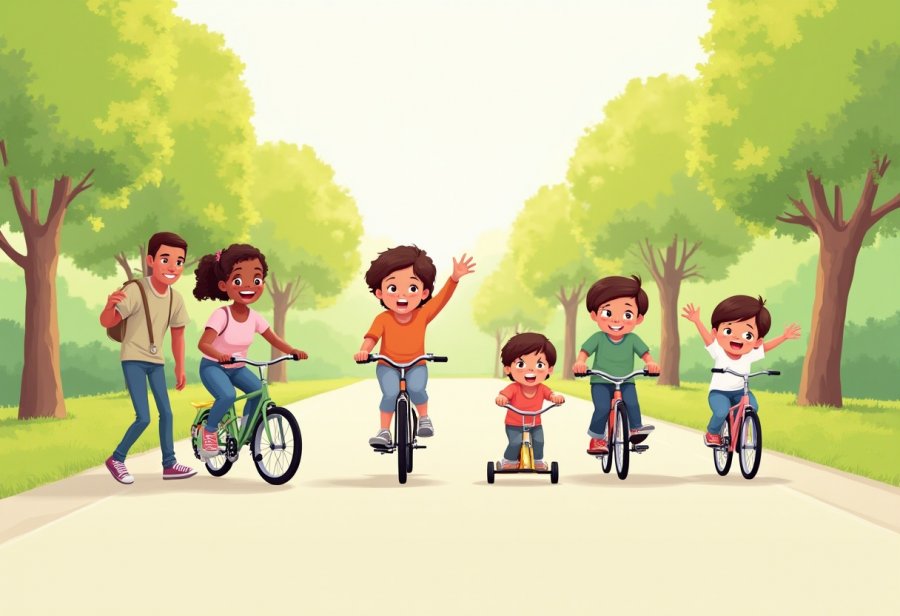
Today, teaching children to ride a bike combines time-tested methods with modern innovations, all focused on making the experience safer and more enjoyable. Many programs now start with balance bikes or training wheels, which help kids develop coordination and confidence without the fear of falling. These tools allow children to focus on mastering balance and steering first, creating a smoother, less intimidating learning process. Helmets, knee pads, and elbow guards are now standard, emphasizing safety from the outset and encouraging kids to explore freely while feeling protected.
Community initiatives and school-based programs play a crucial role in supporting cycling education. Organized bike days, safety workshops, and cycling clubs provide supervised environments where children can practice, learn traffic rules, and develop good riding habits. These structured activities not only make learning safer but also foster social bonds, turning cycling into a fun group activity. Digital apps and gamified learning tools are increasingly popular, motivating children and tracking their progress in engaging ways. This tech integration makes learning more accessible and appealing, especially for younger riders.
The approach to teaching kids to ride has shifted toward positive reinforcement. Instead of focusing on mistakes, parents and instructors now celebrate small wins—such as maintaining balance or completing short rides—building resilience and motivation. Falls and wobbles are accepted as natural parts of the process, not setbacks. Creating a supportive environment where safety and fun go hand in hand helps children develop a love for cycling that can last a lifetime.
Research supports these modern strategies, showing that focusing on balance first reduces falls and boosts confidence. Many now prefer balance bikes over traditional training wheels because they help children learn the most challenging aspect—balance—early on. Combining supportive coaching, proper equipment, and a safety-first mindset fosters a learning environment where children feel empowered rather than intimidated. This not only accelerates skill acquisition but also nurtures a sense of independence and joy in riding.
Today’s cycling education encourages a balanced mix of tradition and innovation. By leveraging new tools, safety standards, and child-centered techniques, caregivers and educators make it easier for kids to learn and enjoy cycling. The goal remains clear: to help children gain the skills and confidence to ride on their own, safely and happily. As these methods continue to evolve, they promise to make the journey from first ride to lifelong cyclist more engaging and accessible, reinforcing cycling as a fun, empowering activity for every child.
Everyday Adventures: Integrating Cycling into Daily Life and Schools
Cycling naturally integrates into daily routines and educational settings, transforming from a childhood skill into a practical part of everyday life. Many families weave bike rides into weekends or use cycling as a quick, eco-friendly way to navigate neighborhoods or parks. These casual outings serve more than just fun; they help children become comfortable and confident on two wheels. When kids see cycling as a regular activity, it reinforces its role as a healthy, accessible form of transportation and recreation, fostering independence and responsibility from an early age.
In schools and community programs, cycling is often embedded into physical education classes and safety workshops. Organized bike days, safety clinics, and cycling clubs provide supervised environments where children can practice, learn traffic rules, and develop good riding habits. These structured experiences make the transition from basic riding to more complex navigation smoother and safer. They also encourage social interaction, making cycling a shared activity that children look forward to and enjoy.
For many kids, cycling becomes a daily habit that seamlessly fits into their lives. They ride bikes to school, visit friends, or run errands, turning everyday trips into mini adventures. Family outings along scenic bike paths or neighborhood streets create bonding moments, while riding to local shops or parks builds a sense of independence. These practical experiences reinforce core skills like balance, steering, and awareness, making cycling a natural part of their lifestyle and daily routine.
Stories of children overcoming initial fears highlight how consistent, supportive practice fosters confidence. Liam, who was initially terrified of falling, learned to balance gradually with encouragement and patience. Emma, once clumsy and prone to wobbles, practiced with her parents and eventually rode confidently through her neighborhood. These examples show how small, regular opportunities—on driveways, quiet streets, or schoolyards—build resilience, trust, and mastery. When children feel safe and supported, they’re more eager to try new challenges and develop their skills.
Simple strategies can make learning to ride more effective and enjoyable. Starting with balance bikes or removing pedals allows children to focus on balancing before adding complexity. Wearing safety gear like helmets and pads isn’t just protective; it fosters a responsible riding culture from the outset. Parents and teachers can also leverage community resources, online tutorials, and local bike shops for guidance and support. Celebrating small wins along the way—such as maintaining balance or completing short rides—keeps children motivated and eager to improve.
Creating a positive environment for learning to ride goes beyond equipment and routines. It’s about nurturing confidence, emphasizing safety, and making cycling fun. When children experience success in familiar settings, they develop a love for riding that can last a lifetime. Integrating cycling into daily life and educational spaces helps children see biking not just as a skill to master, but as a joyful, empowering activity that supports independence, health, and environmental awareness.
By embedding cycling into their routines, children learn skills that extend far beyond the bike. They develop coordination, spatial awareness, and a sense of responsibility—all vital for their growth and safety. These practical experiences foster a natural confidence that encourages them to explore further and take on new challenges. As they become more independent, they also learn the value of perseverance and patience—lessons that stay with them well beyond their first ride.
Ultimately, making cycling a regular part of life shapes a mindset that values health, sustainability, and self-reliance. It turns riding a bike from a childhood accomplishment into a lifelong habit that promotes active living and environmental consciousness. When families and communities support this integration, they help cultivate a new generation for whom cycling is second nature—an accessible, enjoyable way to navigate the world with confidence and joy.
Future Routes: Innovations and Societal Shifts Shaping Cycling Education
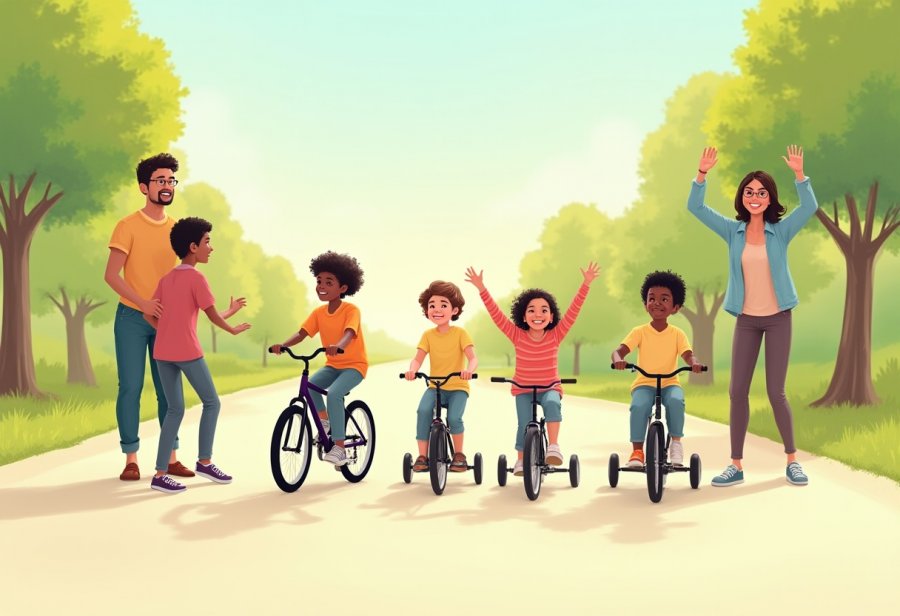
Looking ahead, the way children learn to ride bikes is poised to change significantly thanks to emerging technologies and shifting societal priorities. Smart bikes equipped with sensors and connectivity features are beginning to appear, offering real-time feedback on balance, pedaling, and steering. These tools make practice more engaging and tailored to each child’s needs, helping them improve faster and with less frustration. Virtual coaching apps and augmented reality environments are also gaining popularity, allowing kids to simulate riding through different terrains or traffic scenarios safely indoors. This not only boosts confidence before heading outside but also adds an element of fun that keeps children motivated.
At the same time, a growing emphasis on sustainability is shaping the future of cycling gear and bike manufacturing. More bikes are now made with eco-friendly materials, and lightweight, durable models are making cycling more accessible for children of all abilities. This shift encourages families to see biking as a practical, environmentally friendly alternative to motorized transport, reinforcing the idea that cycling can be part of a greener lifestyle from the very start. As cities invest in bike-friendly infrastructure—such as protected lanes, safe crossings, and secure parking—children will find safer, more inviting spaces to practice and ride regularly. This infrastructure not only supports daily commuting but also fosters a culture where cycling becomes a natural, integral part of community life.
Societal attitudes toward active living and environmental responsibility are also influencing how we teach children to ride. Schools and local programs are increasingly integrating cycling into daily routines, emphasizing its benefits for health and the planet. This cultural shift encourages a view of biking as more than just a childhood skill—it’s a lifelong habit that promotes independence, fitness, and sustainability. As awareness grows, so does the demand for well-designed bikes, accessible training programs, and supportive environments that help every child develop confidence and joy in riding.
Looking further, advances in artificial intelligence and sensor technology could redefine how kids learn to ride. AI systems might analyze a child’s riding style, offering personalized exercises to target specific weaknesses, speeding up skill development. Virtual reality could simulate complex traffic situations or outdoor terrains, giving children safe spaces to practice and build resilience. These innovations aim to reduce fears of falling and make the learning process smoother and more enjoyable. Adaptive bikes with adjustable frames and assistive motors will also become more common, ensuring that cycling is inclusive and accessible for children with diverse physical abilities.
Policymakers and educators are already recognizing the importance of investing in supportive infrastructure and innovative programs. More funding is flowing into safe bike lane networks, community bike hubs, and school initiatives, all designed to create inclusive environments where children can ride confidently and safely. As technology advances and societal values evolve, the next generation of cyclists will benefit from safer, more engaging, and more accessible ways to learn. This seamless integration of innovation and community effort promises to make the journey from first ride to lifelong cyclist more natural, empowering every child to experience the freedom and independence that cycling offers.