




Learning to drive is often seen as a rite of passage symbolizing independence and growth, yet beneath the surface, teens grapple with a complex web of internal struggles—nerves, self-doubt, and anxiety—that rarely vanish even after earning a license. This emotional turbulence is a natural part of the process, revealing that confidence isn’t about the absence of nerves but the ability to manage them. Can teens truly overcome these internal battles, or do they simply learn to conceal their fears behind outward bravado? Supporting young drivers involves more than teaching technical skills; it requires fostering patience, resilience, and self-awareness through gradual exposure, practical coping strategies, and empathetic encouragement. Recognizing that internal doubts persist, even among experienced drivers, shifts our perspective from expecting immediate confidence to nurturing ongoing emotional resilience—making the journey behind the wheel as much about emotional growth as skill mastery.

Navigating the Emotional Terrain of Teen Driving Milestones
Learning to drive marks a significant milestone in a teenager’s life, filled with anticipation and a dash of trepidation. It’s more than just mastering the mechanics of steering, braking, and accelerating; it’s a step toward independence that many teens have dreamed about. Yet beneath the excitement lies a complex emotional landscape—one often hidden behind a confident smile or a reassuring nod.
As teens sit behind the wheel for the first time, they’re navigating a whirlwind of feelings. Nervousness, self-doubt, and anxiety can bubble up, sometimes unnoticed by those around them. Despite outward appearances of readiness, many are quietly battling fears of making mistakes or losing control. These internal struggles are natural responses to the unfamiliar territory they’re stepping into, not signs of incapacity.
This emotional tension can cause hesitation, second-guessing, or even avoidance of practice altogether. Teens often mask their nerves with bravado, projecting confidence when inside, they might feel overwhelmed. Learning to drive is as much about managing these internal doubts as it is about understanding traffic laws or perfecting mirror checks. Recognizing this helps us see that internal struggles are an integral part of growth, not a failure.
The process of learning to drive is, therefore, a journey of emotional resilience. Every attempt, successful or not, shapes their confidence. Over time, those initial nerves tend to give way to cautious self-assurance, but the internal dialogue of doubt can persist long after they’ve earned their license. Understanding this ongoing internal battle is key for parents, instructors, and peers to provide the patience and support that young drivers need.
In many ways, driving becomes a mirror for their broader development—teaching patience, persistence, and self-trust. It’s normal for teens to feel nervous, even after months of practice. The goal isn’t to eliminate those feelings but to help them manage and understand them. With reassurance and encouragement, teens can transform their nerves into a foundation for genuine confidence, both behind the wheel and in life.
Unraveling the Complex Feelings Behind Learning to Drive
Learning to drive isn’t just about mastering steering wheels and brakes; it’s also about navigating a complex web of emotions that can feel overwhelming. For teens, the act of learning often triggers a mix of excitement and worry that goes beyond technical skills. These feelings are rooted in their ongoing development and desire for independence, making them a natural part of the process rather than signs of weakness.
Many teens worry about making mistakes—hitting a curb, forgetting a step, or causing an accident. These concerns are closely tied to their need to prove responsibility and competence. Recognizing that these fears are common helps create a more supportive environment where nerves aren’t dismissed but understood. When teens see that feeling anxious is normal, they’re more likely to approach each session with patience and a growth mindset, viewing setbacks as opportunities to learn rather than failures.
Building confidence in young drivers depends on addressing these internal barriers directly. Starting in less stressful environments—like empty parking lots or quiet residential streets—allows teens to focus on basic skills without feeling overwhelmed. Gradually introducing busier roads and complex situations helps expand their comfort zone naturally. Celebrating small wins, such as smooth turns or successful parking, reinforces their progress and diminishes anxiety, making each step feel more manageable.
Supporting teens also involves teaching practical techniques to manage nerves in real time. Deep breathing exercises, visualization, and mindfulness can be powerful tools during moments of heightened anxiety. Encouraging teens to take a few slow breaths before starting the engine or when hesitation strikes can turn stressful situations into opportunities for grounding. These strategies give them a sense of control, helping them stay focused and calm amid unexpected challenges.
Creating a supportive environment means setting clear, achievable goals for each practice session. Whether mastering parallel parking or navigating a tricky intersection, small milestones help teens see tangible progress. This approach reduces pressure and makes each success encouraging, fostering resilience and patience. Over time, these incremental wins build genuine confidence, showing that growth is a gradual process, not an instant transformation.
Understanding the emotional side of learning to drive is key for everyone involved—parents, instructors, and the teens themselves. Recognizing that nerves and doubts are normal helps normalize the experience and promotes patience. When teens feel supported and their fears acknowledged, they’re more likely to develop the internal strength needed to trust themselves behind the wheel. This emotional resilience not only makes them safer drivers but also equips them with vital skills for life’s many challenges.
The Hidden Gap Between Confidence and Inner Nerves
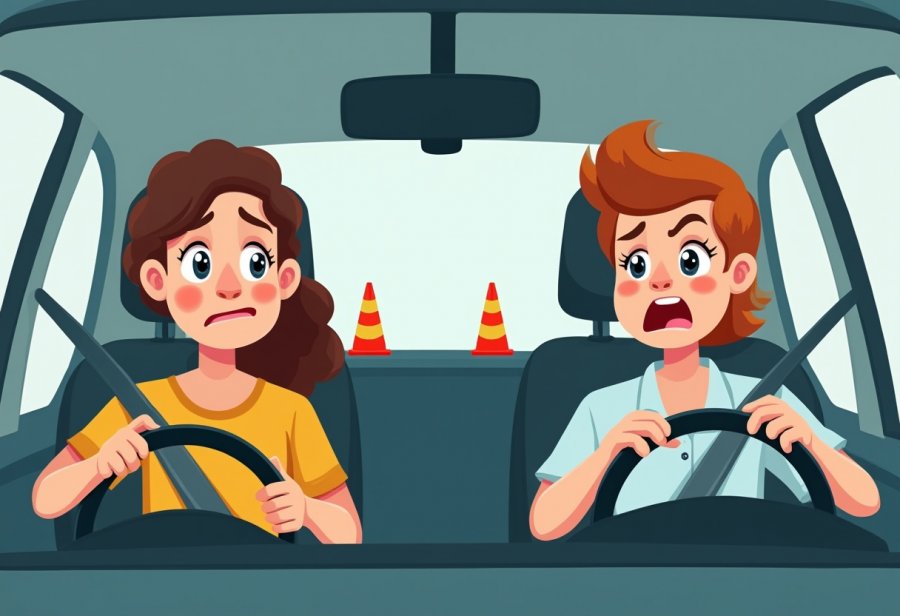
Many teen drivers appear confident when they’re behind the wheel, but beneath that composed exterior, doubt and nerves often linger. They’ve learned to mask their anxiety, putting on a brave face to handle tricky turns or busy intersections. This mismatch between outward confidence and internal nervousness is surprisingly common and can create a false sense of mastery. Teens may handle a challenging maneuver flawlessly, yet still feel their stomach tighten at the thought of the next unfamiliar situation. Confidence isn’t the absence of nerves; it’s the ability to manage and coexist with them.
This disconnect can be confusing for parents and instructors alike. They might assume that passing a driving test or gaining some experience means the internal doubts should disappear. But research and experience show that internal fears often persist long after the practical skills are mastered. Many experienced drivers still feel a surge of anxiety in high-pressure or unfamiliar environments. For teens, the gap between what they project outward and what they truly feel inside is a normal part of growth—proof that confidence is a process, not an endpoint.
Understanding this gap helps us see that genuine confidence develops gradually. External signs of calm can hide ongoing internal struggles, which are part of the learning curve. Teens often learn to push through their nerves, especially when they’ve built a history of small successes. Over time, these moments of managing nerves—rather than eliminating them—become the foundation of true self-assurance. It’s about learning to trust oneself despite the nerves, not waiting for nerves to vanish entirely.
Supporting teens means recognizing that internal doubts are natural and ongoing. Praising effort rather than perfection, and encouraging honest conversations about fears, can foster resilience. When teens realize that feeling nervous doesn’t mean they’re failing, they’re more likely to approach each drive with patience and a growth mindset. This shift from hiding nerves to managing them transforms their internal dialogue from a source of doubt to a tool for confidence.
In the end, confidence on the road isn’t a fixed state achieved overnight. It’s built through repeated experiences—each success, each setback, and each moment of calm amid chaos. The difference is that seasoned drivers have learned to manage their nerves, not that they’re free of them. For teens, embracing this reality—knowing that nerves are natural and manageable—is a critical step toward becoming not just better drivers, but more resilient individuals prepared for life’s many challenges.
Practical Strategies to Calm a Nervous Teen Driver
Supporting nervous teens during their driving journey calls for practical strategies that foster gradual confidence. Starting with short, gentle practice sessions in quiet environments like empty parking lots or calm residential streets allows teens to focus on foundational skills without feeling overwhelmed. As they grow more comfortable, slowly introducing busier roads, intersections, and highway merges helps expand their comfort zone naturally, without rushing the process. Celebrating small successes—such as executing a smooth turn or parking neatly—reinforces progress and encourages a positive outlook.
Parents and instructors play a vital role in creating a calm, encouraging atmosphere. Offering consistent reassurance, avoiding harsh criticism, and emphasizing effort over perfection help teens see mistakes as natural steps in learning rather than failures. When teens feel safe to express their fears without judgment, they’re more likely to open up about their nerves and work through them, rather than suppressing these feelings. Honest conversations about what scares them most can reduce internal pressure and build trust, making each practice session more collaborative.
Teaching simple calming techniques provides powerful tools for managing nerves in real-time. Deep breathing exercises, visualization of successful drives, and mindfulness practices can help teens regain control during anxious moments. Encouraging them to take a few slow breaths before starting the engine or when hesitation strikes can turn stressful situations into opportunities for grounding. These techniques foster a sense of agency, helping teens stay focused, calm, and better equipped to handle unexpected challenges on the road.
Setting clear, achievable goals for each session keeps progress tangible and reduces frustration. Whether it’s mastering parallel parking or navigating a tricky intersection, small milestones make growth visible and encourage perseverance. This approach diminishes the pressure of big expectations, allowing each accomplishment to feel meaningful. Over time, these incremental wins build resilience and reinforce the idea that confidence develops gradually, through persistence and patience.
Beyond practice, providing additional resources—like online tutorials, instructional videos, or peer support groups—can offer fresh perspectives and encouragement. Connecting with others who’ve faced similar fears normalizes the experience and reminds teens they’re not alone. For those struggling with persistent anxiety, seeking professional counseling can equip them with coping strategies that strengthen emotional resilience, both on the road and in life.
Creating a steady, supportive environment helps transform nervous energy into genuine confidence. Patience remains essential, as growth often involves setbacks and moments of doubt. When teens feel understood and supported, their internal doubts gradually give way to trust in their abilities. This foundation not only makes them safer drivers but also develops skills that serve them well beyond the driver’s seat.
Supporting teens in this way emphasizes that nerves and doubts are part of the learning process, not signs of failure. By normalizing these feelings and providing practical tools, we help them develop resilience and self-belief. Over time, their internal struggles become stepping stones toward authentic confidence—confidence rooted in patience, effort, and self-awareness that will carry them confidently through many more roads ahead.

Embracing the Journey: Supporting Growth Through Internal Struggles
Understanding the internal struggles teens face when learning to drive is key to fostering patience and empathy. Confidence isn’t just about mastering skills; it’s built gradually through reassurance, patience, and recognizing nerves as a normal part of growth. When we see that feelings of anxiety and self-doubt can persist even after months of practice, it shifts our approach from expecting quick fixes to offering ongoing support and understanding. Supporting teens emotionally as well as technically helps transform internal doubts into resilience and genuine self-belief.
Accepting that nerves and doubts are natural doesn’t weaken a teen’s potential; it humanizes their journey. Many teens project outward confidence while wrestling with fears of failure or causing harm. Knowing this allows parents, instructors, and peers to respond with kindness and patience, normalizing these feelings instead of dismissing them. When teens realize that feeling anxious is part of the process, they’re more likely to approach each driving experience with patience and a growth mindset, viewing setbacks as stepping stones rather than signs of inadequacy.
Confidence behind the wheel isn’t a fixed achievement but a steady accumulation of experiences—each success and setback adding layers of emotional resilience. Even seasoned drivers encounter nerves in unfamiliar or high-pressure situations, but they’ve learned to manage those feelings rather than be overwhelmed by them. For teens, cultivating this ability takes time, support, and patience. Recognizing that internal doubts are an ongoing part of growth helps foster a healthier outlook, where nerves become tools for learning rather than barriers to confidence.
Supporting teens through this emotional process means creating an environment where fears can be expressed without judgment. Praising effort over perfection and celebrating small wins helps build a positive cycle of progress. Encouraging the use of calming techniques—like deep breaths or visualization—empowers teens to handle stressful moments with more control. When they see nerves as manageable rather than as failures, their internal dialogue shifts from doubt to trust, laying a foundation for authentic confidence that extends beyond driving.
In the end, understanding and normalizing internal struggles transforms how we support young drivers. It reminds us that nerves and doubts are part of the growth process, not obstacles to be eliminated. When teens realize these feelings are natural and manageable, they develop resilience that benefits many areas of life. Confidence isn’t a destination but a journey—one of patience, persistence, and self-compassion—and supporting that journey makes all the difference.